Marvelous Designer in Game Production: NPC Clothing for Tides of Tomorrow
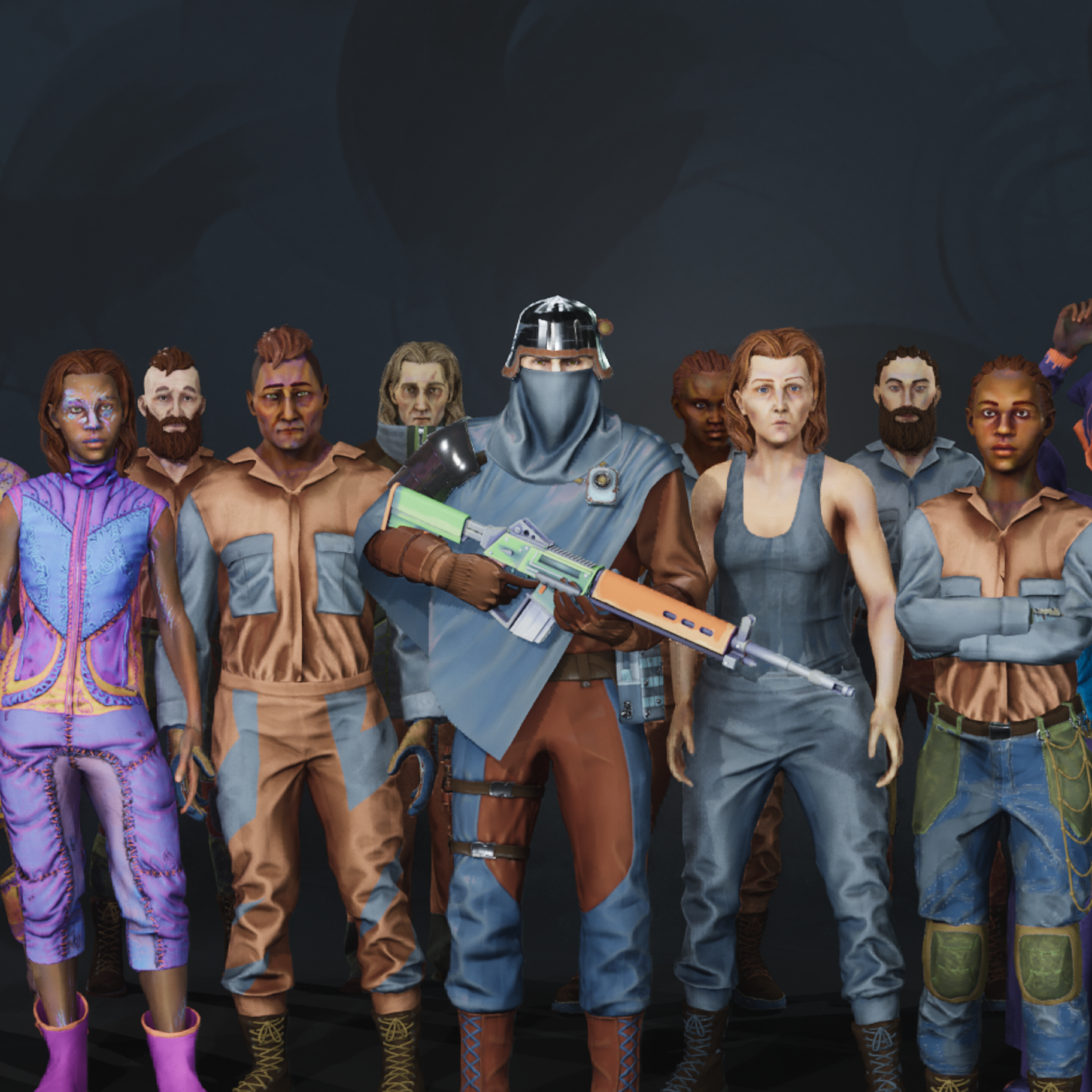
Tides of Tomorrow is a narrative adventure set in a colorful post-apocalyptic ocean world, where every community needs to feel distinct and alive. For Clothilde Chopin and the DigixArt team, NPC clothing became a key production challenge: creating visual variety at scale while keeping the pipeline efficient and flexible.
In this User Spotlight, Character Artist Clothilde Chopin shares how Marvelous Designer supported the NPC clothing workflow for Tides of Tomorrow, from early garment creation and faction identity to final in-game assets.
Software used:
Marvelous Designer – Cloth Creation
Zbrush – Modeling
Maya - Retopology & UV unwrapping
Substance Painter – Texturing
Unreal Engine - Lighting & Rendering
Could you briefly introduce yourself and your role as a Character Artist at DigixArt on Tides of Tomorrow?
My name is Clothilde Chopin and I’m a French Character Artist working at Digixart Entertainment for 4 years now. I was involved in the creation of the project Tides of Tomorrow from its very beginning right up to its release in April 2026.
Right from the pre-production stage three years ago, I was able to make key decisions regarding the artistic direction of the characters and the setup of our pipeline, taking our technical constraints into account. And throughout production, I created the majority of the characters visible in the game, as well as the clothing library shared by our random NPCs.
Tides of Tomorrow has a distinctive plasticpunk world: colorful, oceanic, post-apocalyptic, and shaped by Plastemia. How did this worldbuilding influence your approach to character clothing?
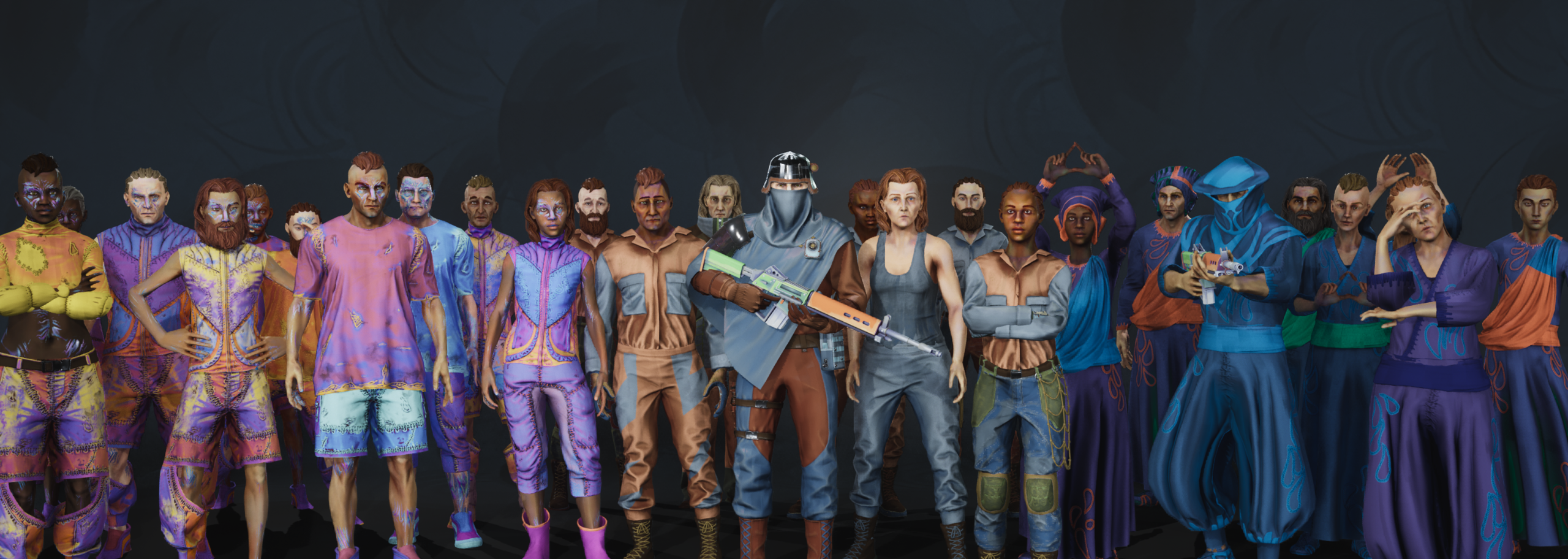
The impact of our original setting is a reflection we had during the pre-production phase. Very quickly, the choice of having 3 distinct factions differentiated by their clothing style was imposed upon us. So, we had a very large scope for clothing.
Due to our time constraints and the small size of our team (I was the only character artist for two years!), we opted to use Marvelous Designer in our character workflow.
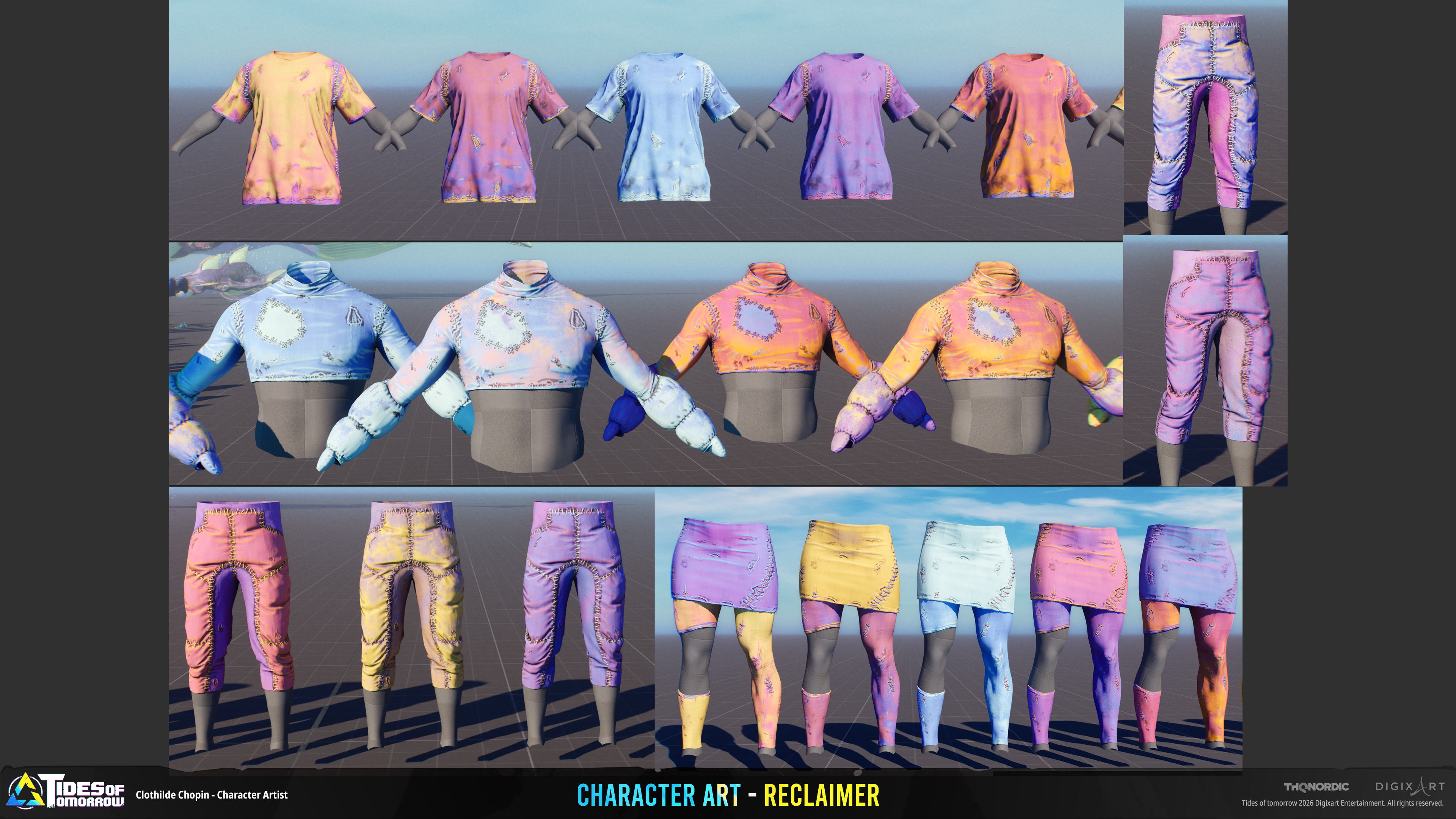
As we reflected on the game's lore and the inhabitants of this plasticpunk world, several ideas occurred to us regarding how these people might find ways to clothe themselves.
Some, known as "mystics", have managed to develop a way to create their own fabrics from cultivated seaweed fibers. Others, such as "reclaimers," have found ways to recycle plastic materials into clothing. In any case, their garments are not meant to look perfect, like mass-produced factory items with neat, precise stitching. Instead, everything has a patched-together, handmade quality, as if crafted by people with no sewing skills.
In your NPC clothing pipeline breakdown, you show how costumes were built for a wide range of characters. How did you approach creating a flexible pipeline that could support many NPCs while keeping each one visually distinct?
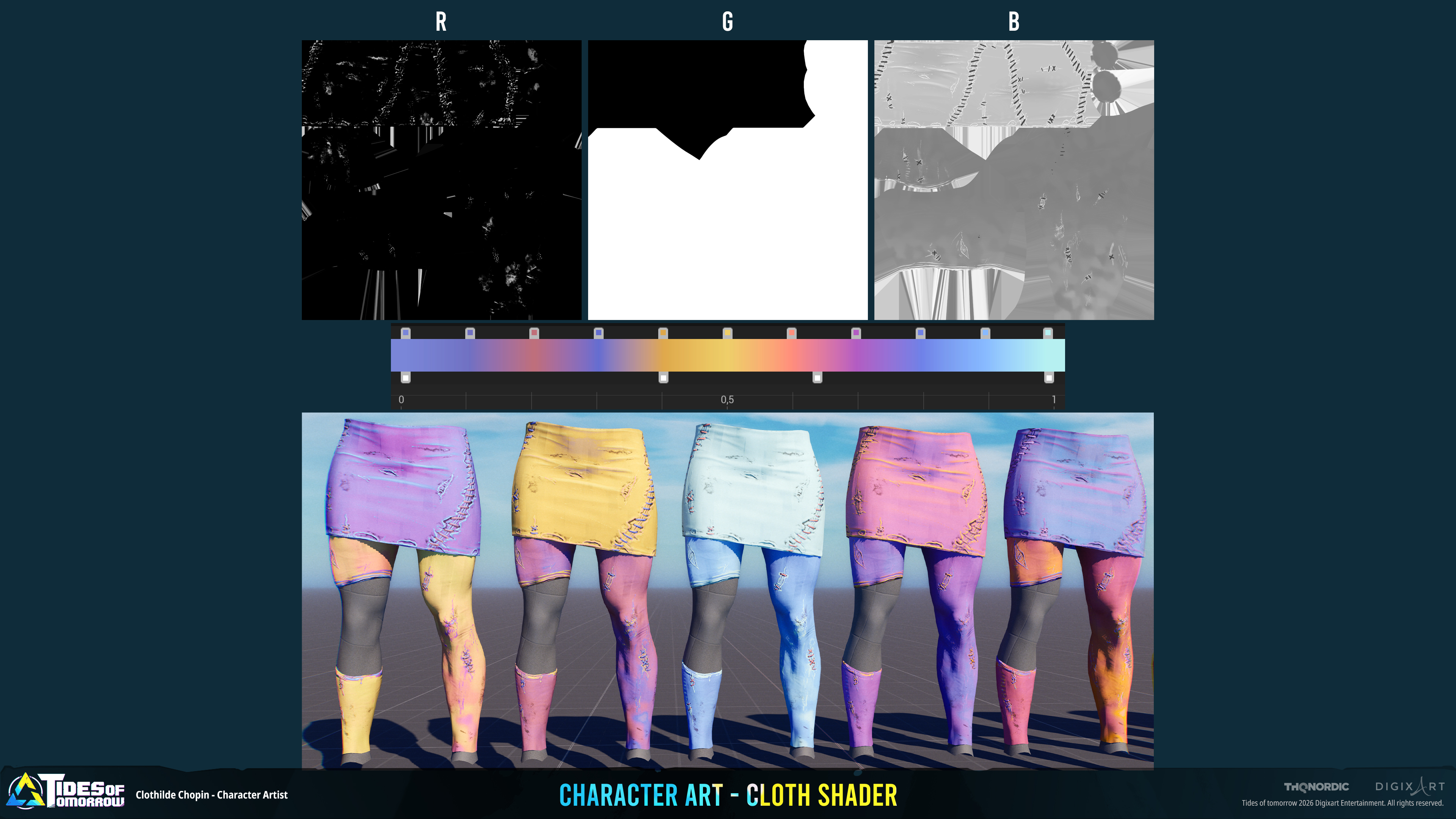
To create the greatest possible variety of clothing and avoid obvious repetition among a crowd of characters, one way to cheat is to play with colors. To iterate easily and quickly create variations, each garment is textured within the engine using a shader based on texture masks.
Furthermore, for each garment created in Marvelous, we used Houdini to adapt it to our four body types. Thus, a single item of clothing actually gave dozens of different results in the game. And to ensure that each garment matched the others, they were all imported into a Maya scene, and we adjusted the vertex positions by hand where necessary. The goal was to be able to combine all the clothing items (head, torso, legs, and feet).
How was Marvelous Designer integrated into your production workflow for Tides of Tomorrow? Which parts of the clothing process benefited the most from using it?
Marvelous is used at the very beginning of the clothing creation pipeline.
During pre-production, that’s where we iterated directly in 3D to test different clothing styles. And during production, that's where clothing assets were created because the sewing pattern modeling system was easy to use. Next, once the base of the garment has been created, it is sent to ZBrush, where the folds are slightly reworked to match the art style and small details such as wear and tear signs and stitching are sculpted. Using Marvelous also benefited UV unwrapping, since the UVs are created based on the pattern.
Our goal was to spend as little time as possible retouching the garment. We therefore made sure to make it as perfect as possible directly within Marvelous.
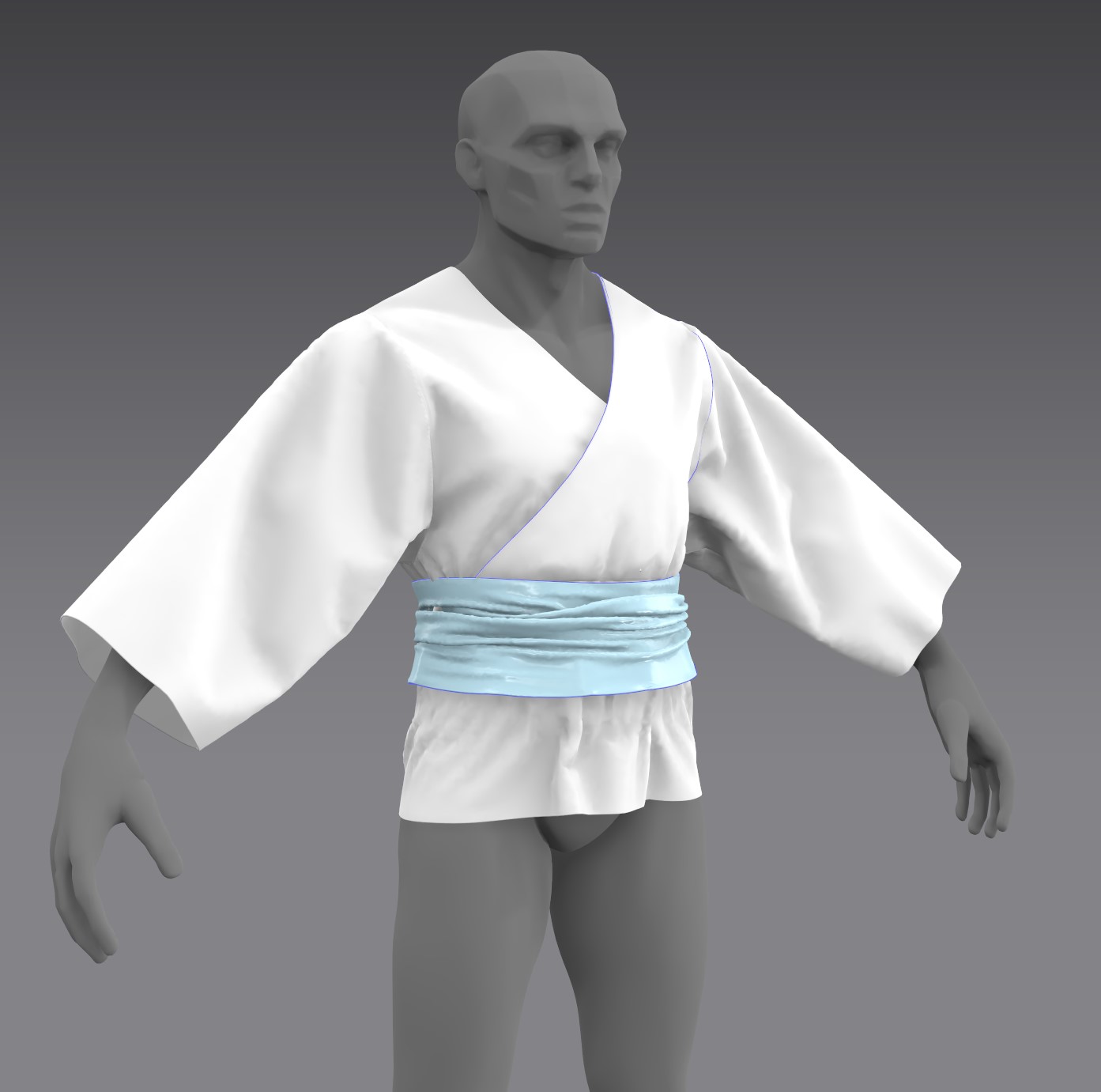
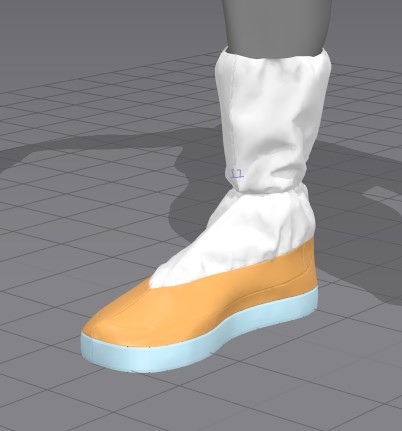
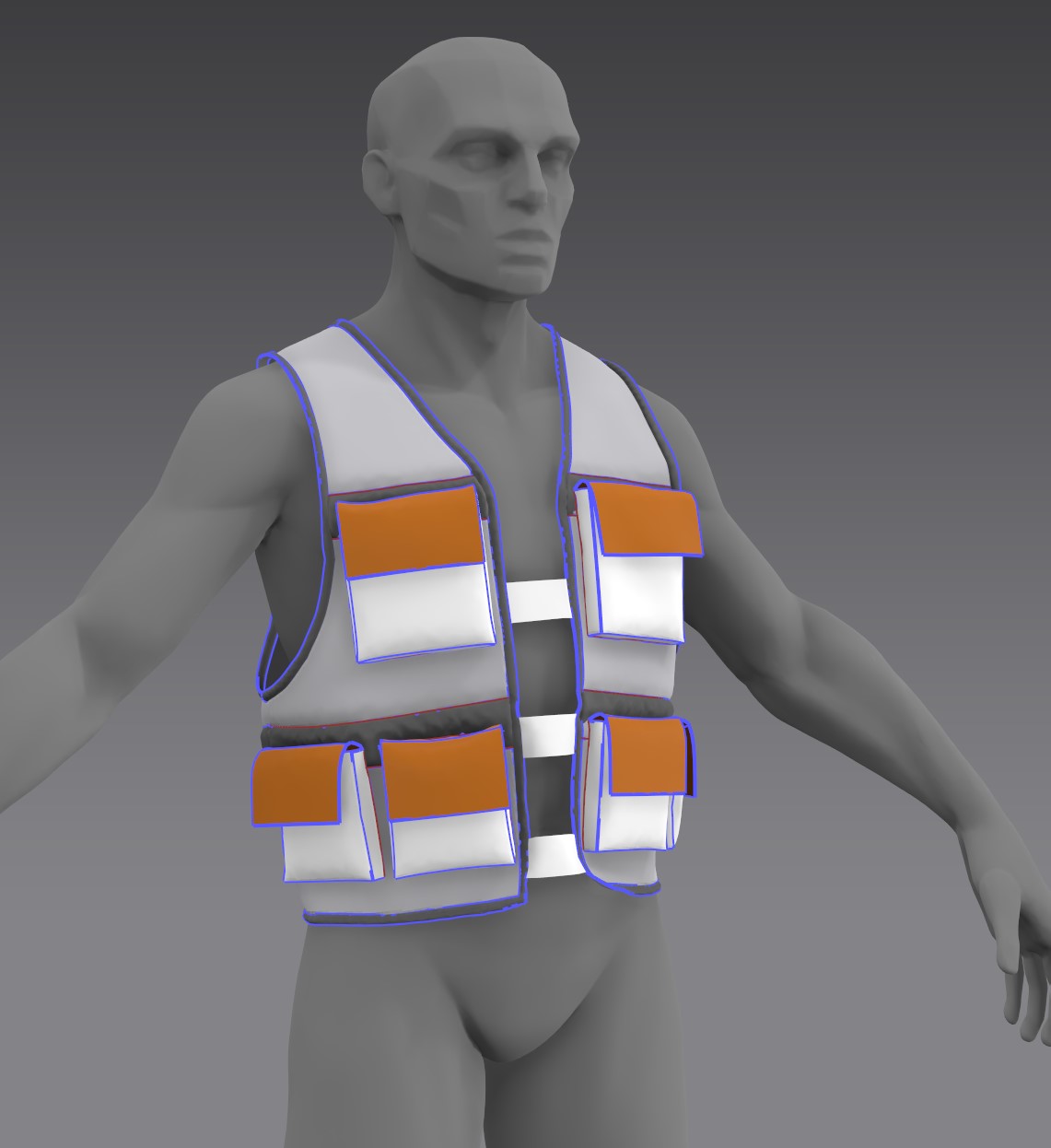
The game features different communities and factions, such as Reclaimers, Marauders, and Mystics. How did you use silhouette, fabric choices, wear, color, and accessories to communicate each group’s identity?
To preserve the visual identity unique to each faction, we have established material and color references for each of them.
The Mystics use natural materials like seaweed and plants to create fabric for relatively understated, modest outfits; their color palette remains fairly consistent, featuring shades of blue and purple.
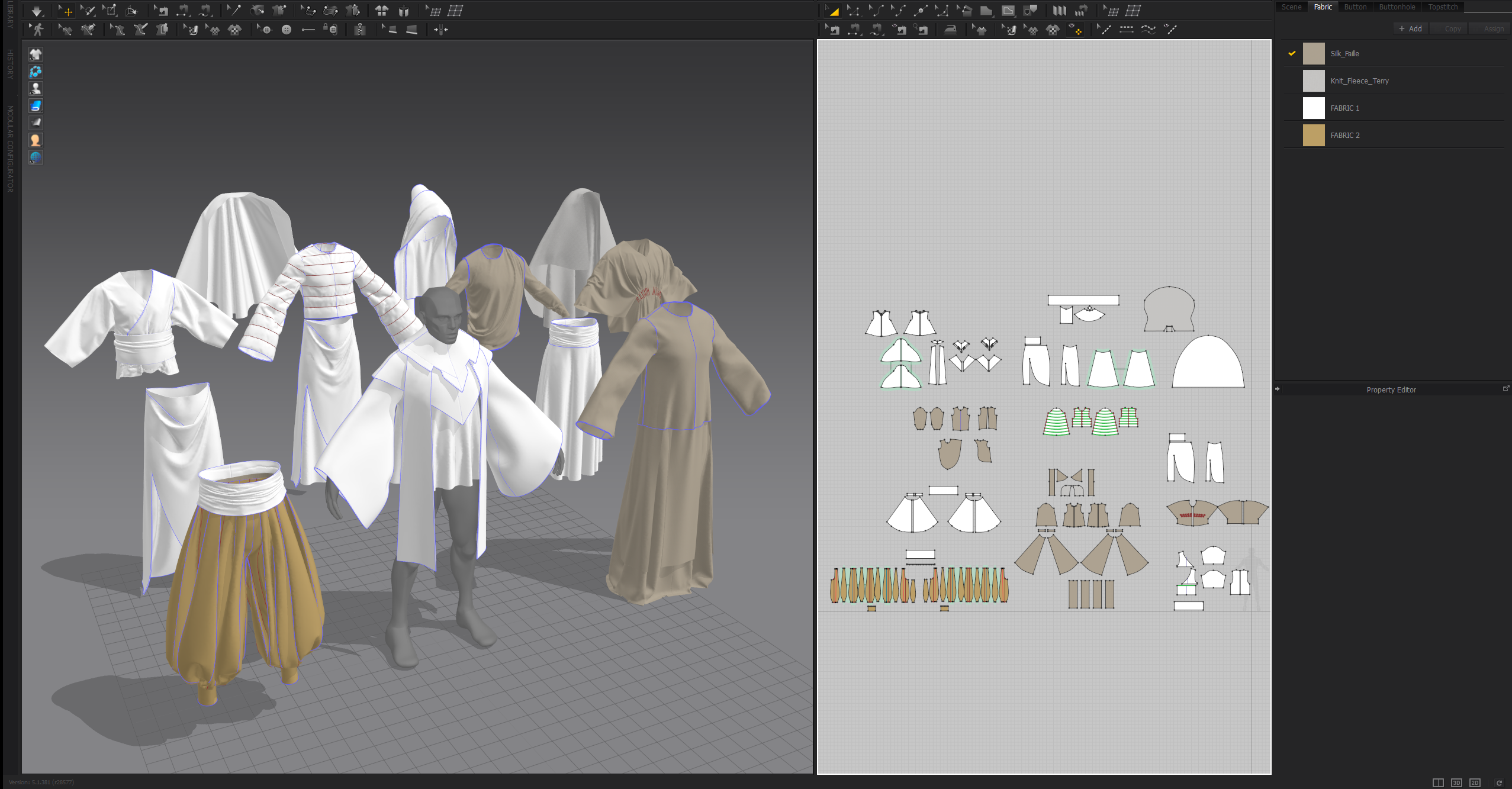
The Reclaimers recycle plastics to create highly colorful garments with rather original and unusual patterns.
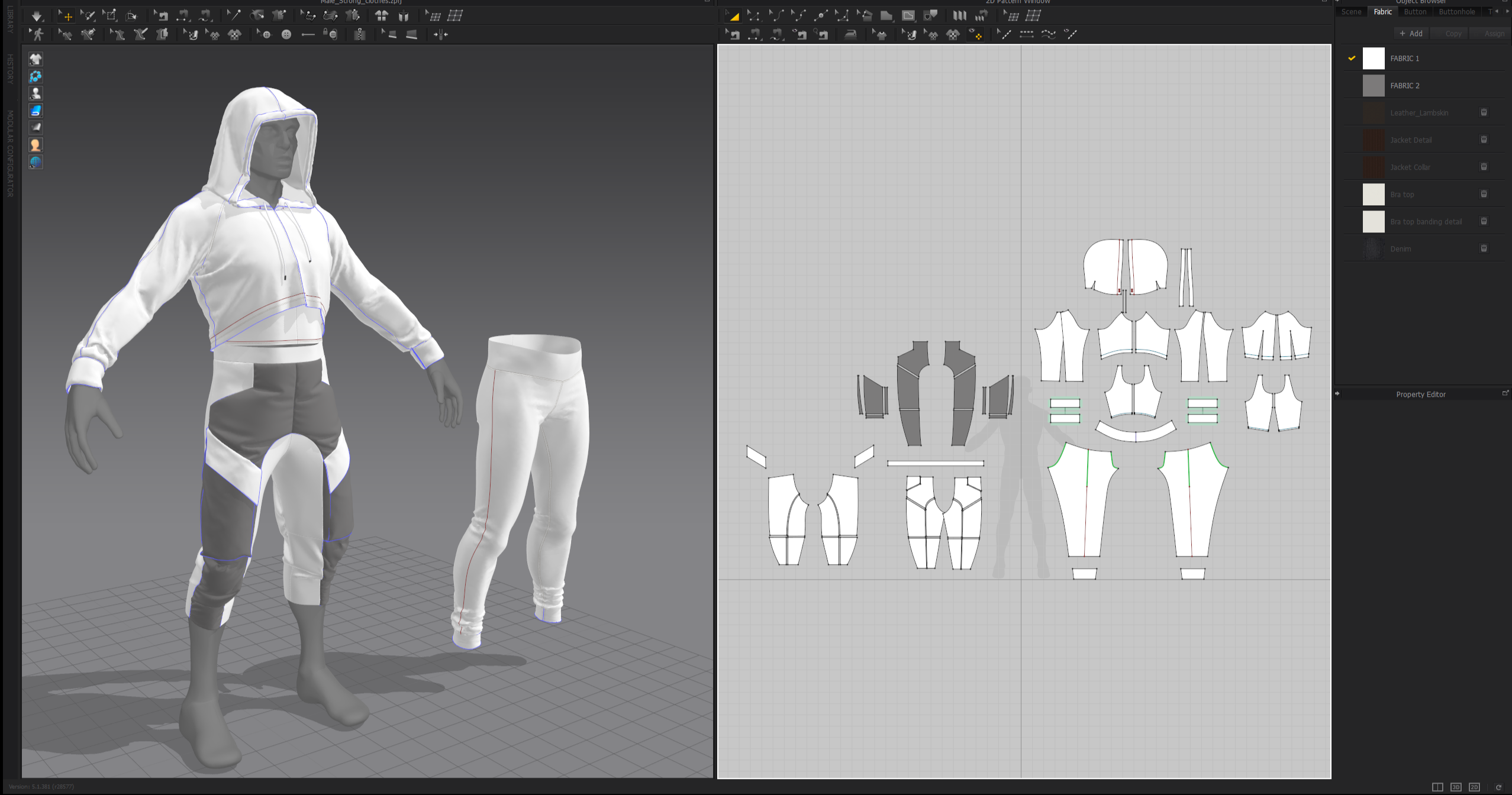
And the Marauders, for their part, obtain their materials from fishing and scrap metal. Their clothing is therefore made of leather and repurposed metal plates. Their color palette is more subdued and darker than that of other communities, featuring shades of dark blue and green, along with red to evoke the rust on the metal.
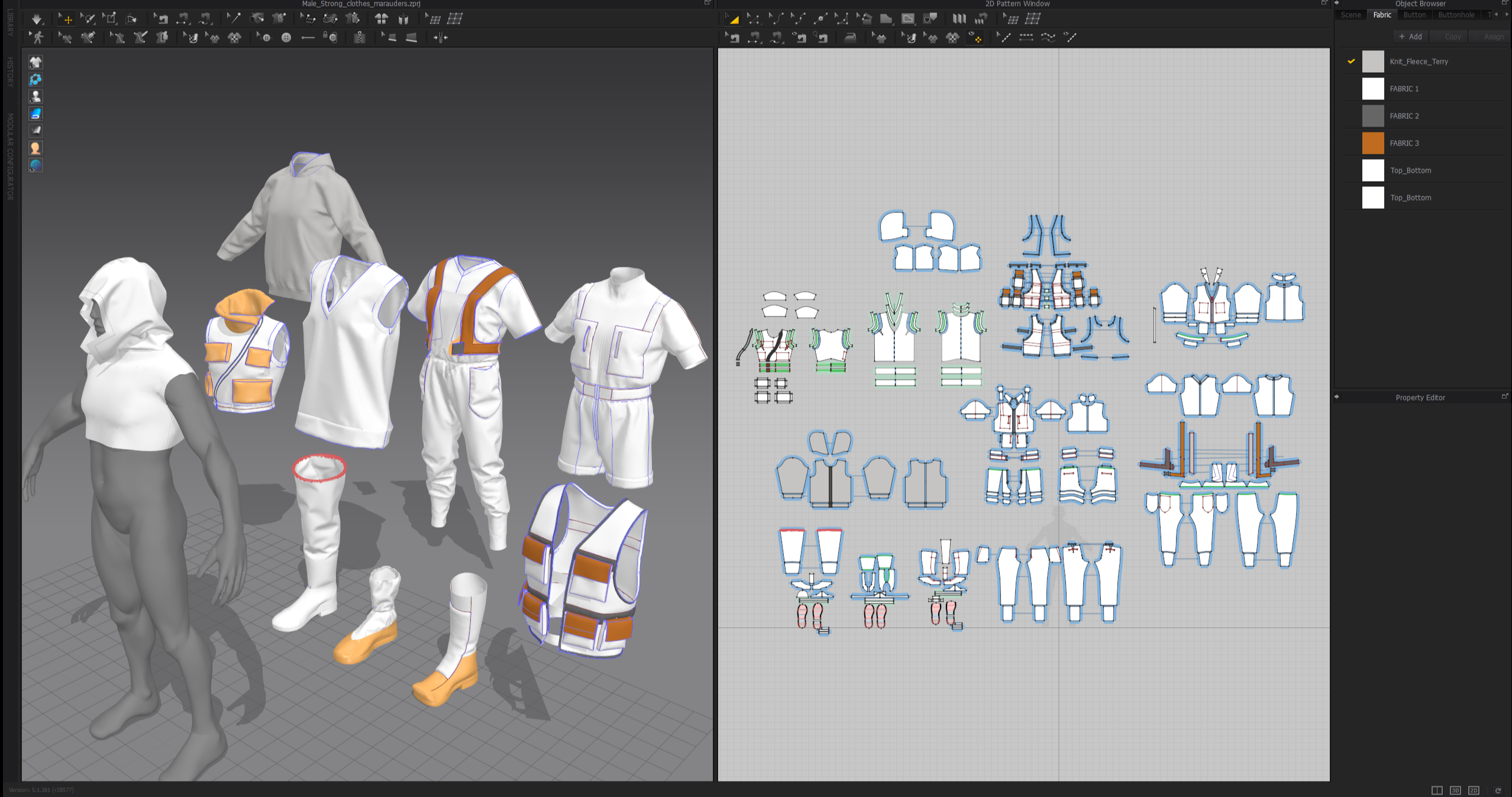
Could you walk us through the process of taking a garment from Marvelous Designer into the final in-game character asset, from simulation and cleanup to texturing, rigging, optimization, or engine integration?
To create a garment for our game, we start in Marvelous Designer. After importing the base body and (if necessary) solid armatures, we create the garment's primary shapes. Once the silhouette and fold placement look promising, I quadrangulate the mesh, properly position its UVs, and export it to ZBrush (thin and unweld single).
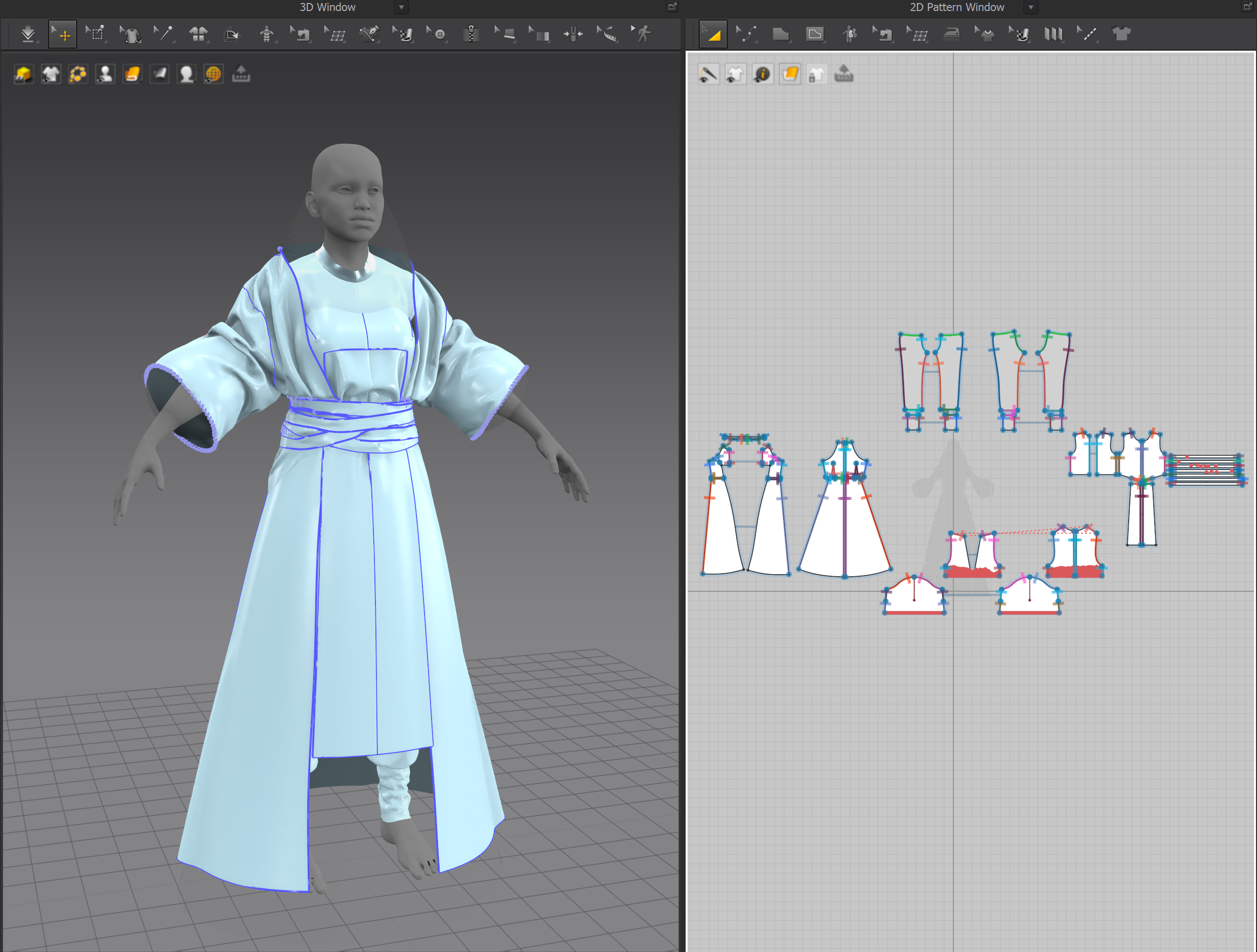
The first thing I do in ZBrush is assign different polygroups to each part of the garment. I then weld the overlapping vertices and subdivide the mesh so I can work on it properly. Sometimes I smooth out or simplify a few folds if the garment looks too realistic for our art style, but generally, I just get to have fun placing seam lines and details like wear and dirt. I only add thickness to the clothing at the end of the sculpt.
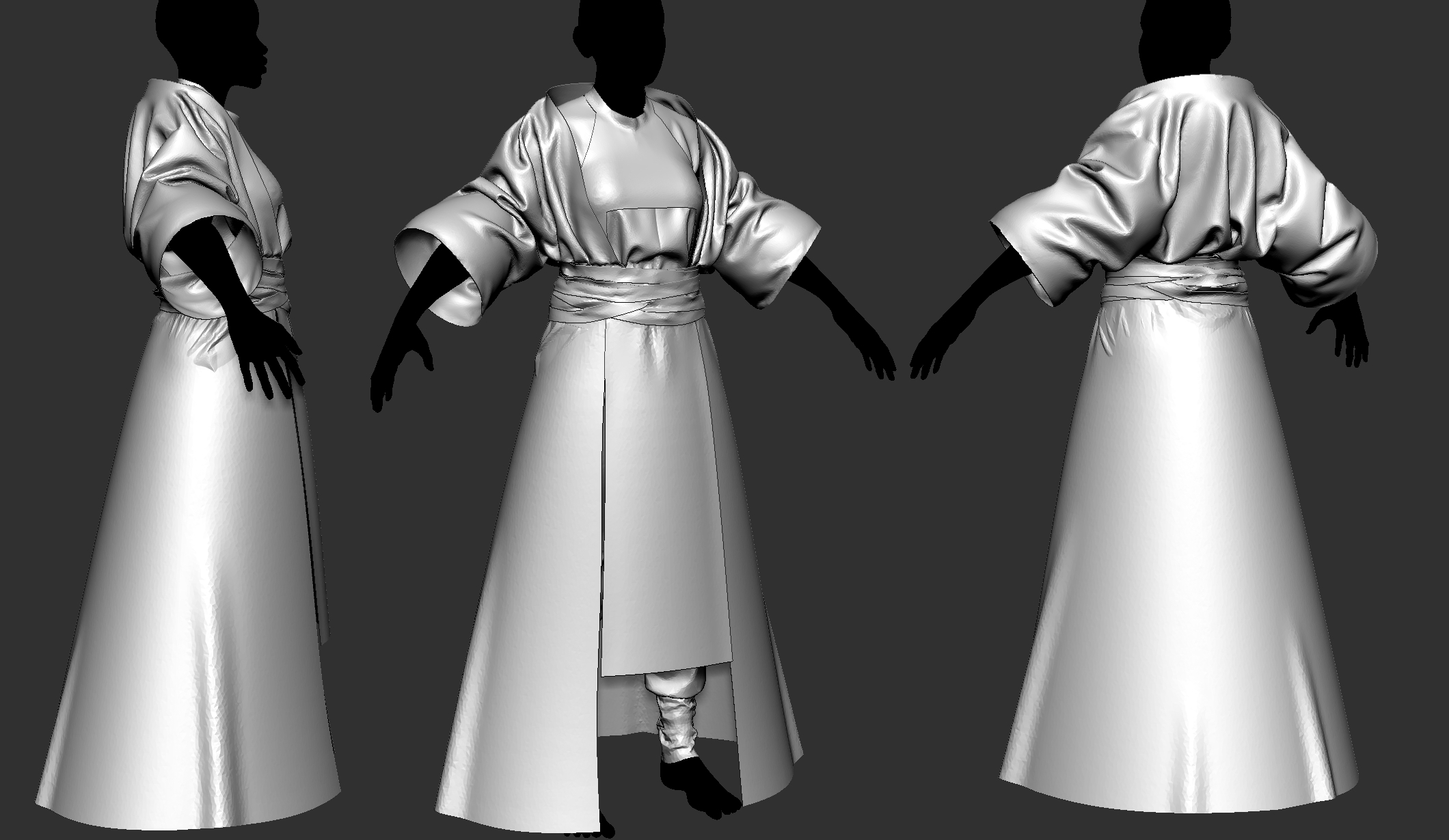
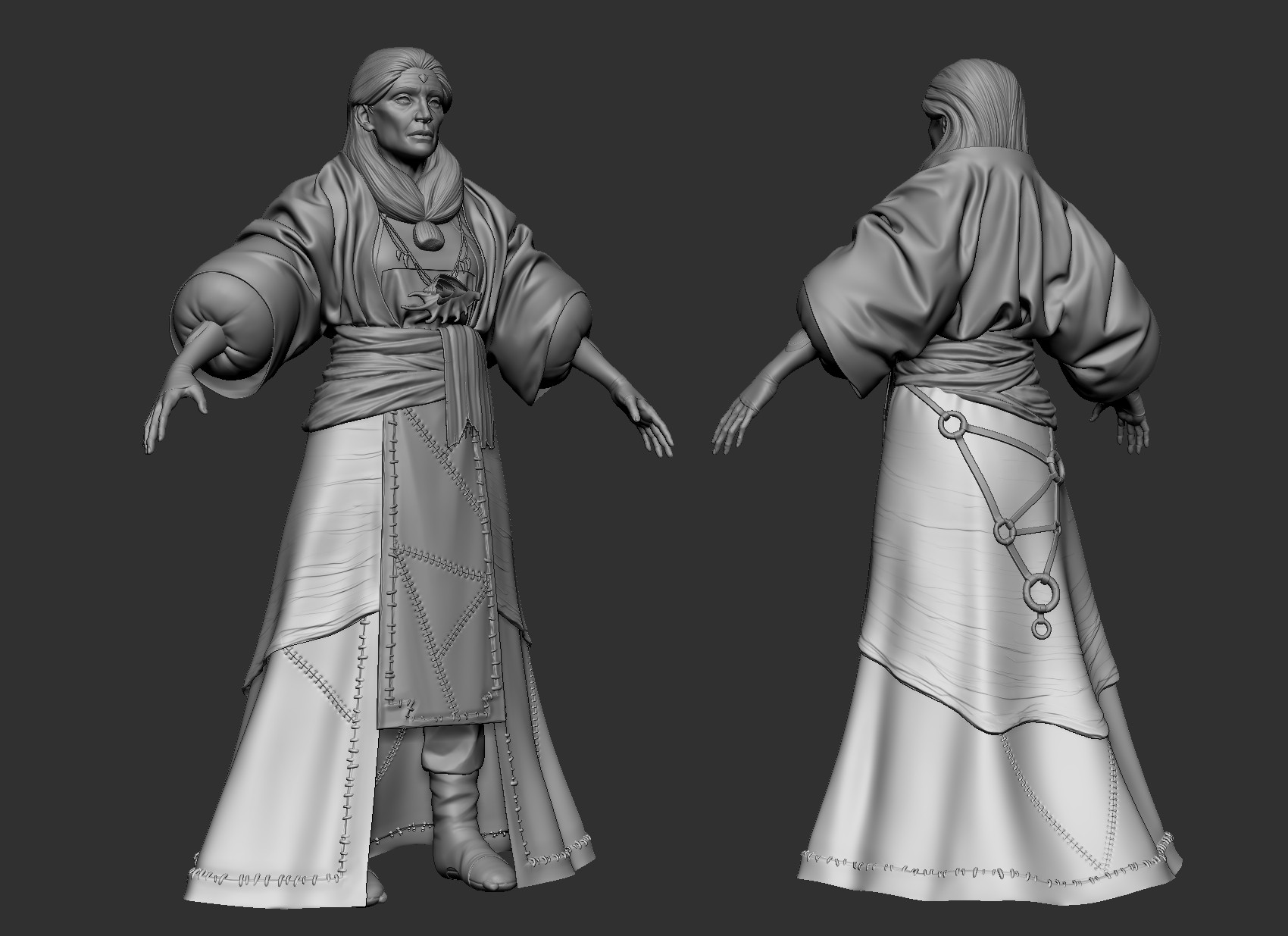
Next, I send it to Maya for retopology, and I can use the high-poly model to transfer the UVs from the Marvelous mesh onto the new one. Of course, I can tweak them if needed.
At this stage, the final mesh is sent in parallel to Houdini, where it is morphed to fit other character body shapes, and to Substance Painter, where the high-poly mesh is baked onto the low-poly mesh and then textured.
In reality, since the color and potential texture variations are handled directly within Unreal Engine, black-and-white masks are what get created in Substance Painter. And now, all that's left is to integrate all of that into the engine, and that's it.
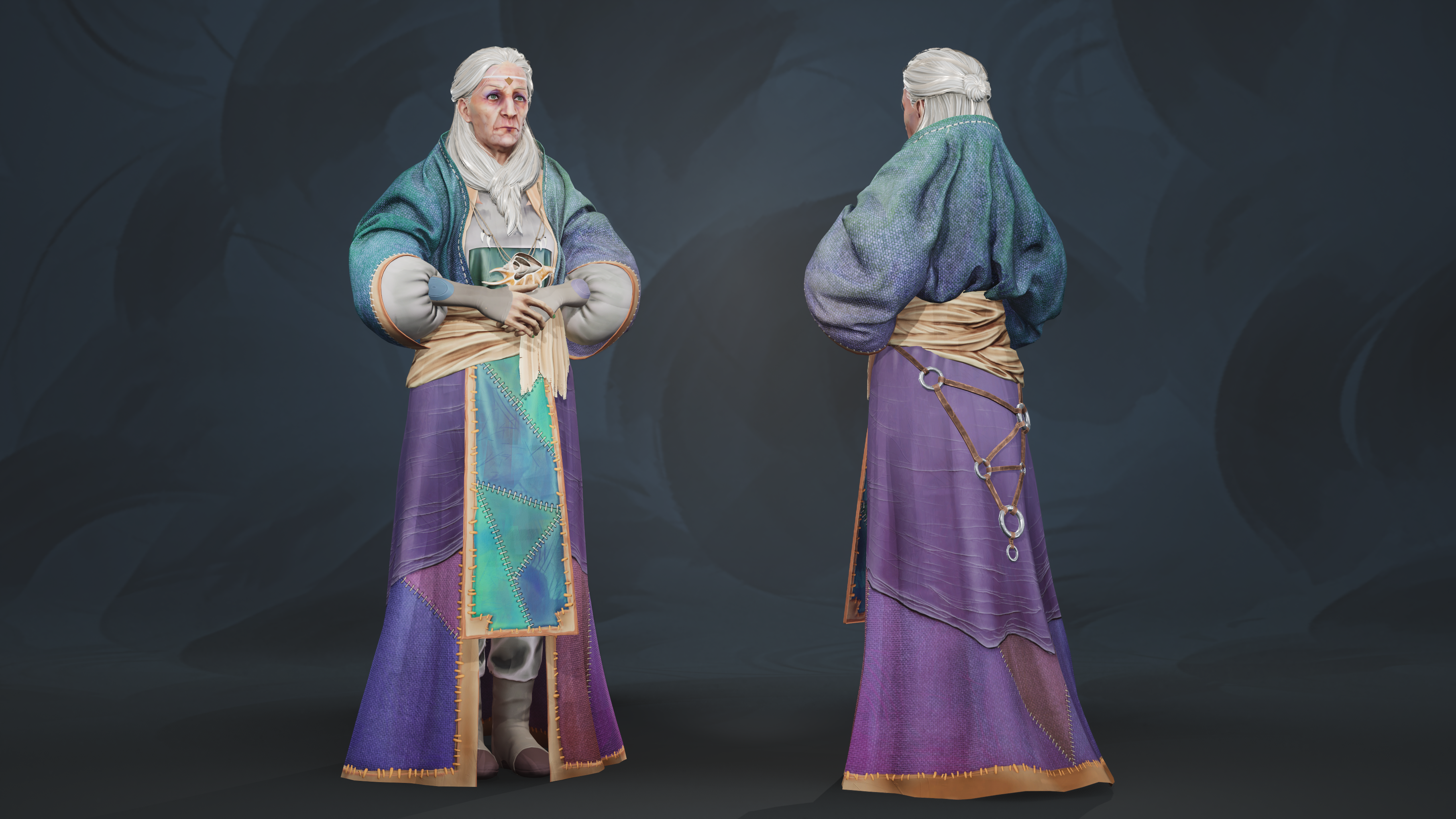
Since Tides of Tomorrow is a first-person narrative adventure, players often see NPCs up close during dialogue and story moments. How did that affect the level of detail you put into clothing, folds, materials, and character presentation?
Since Tides of Tomorrow is a first-person game, players view and observe the characters from a very close range. And because it is also a narrative game, they spend most of their time conversing with these characters. So we immediately established that the quality of the characters had to be central to our game.
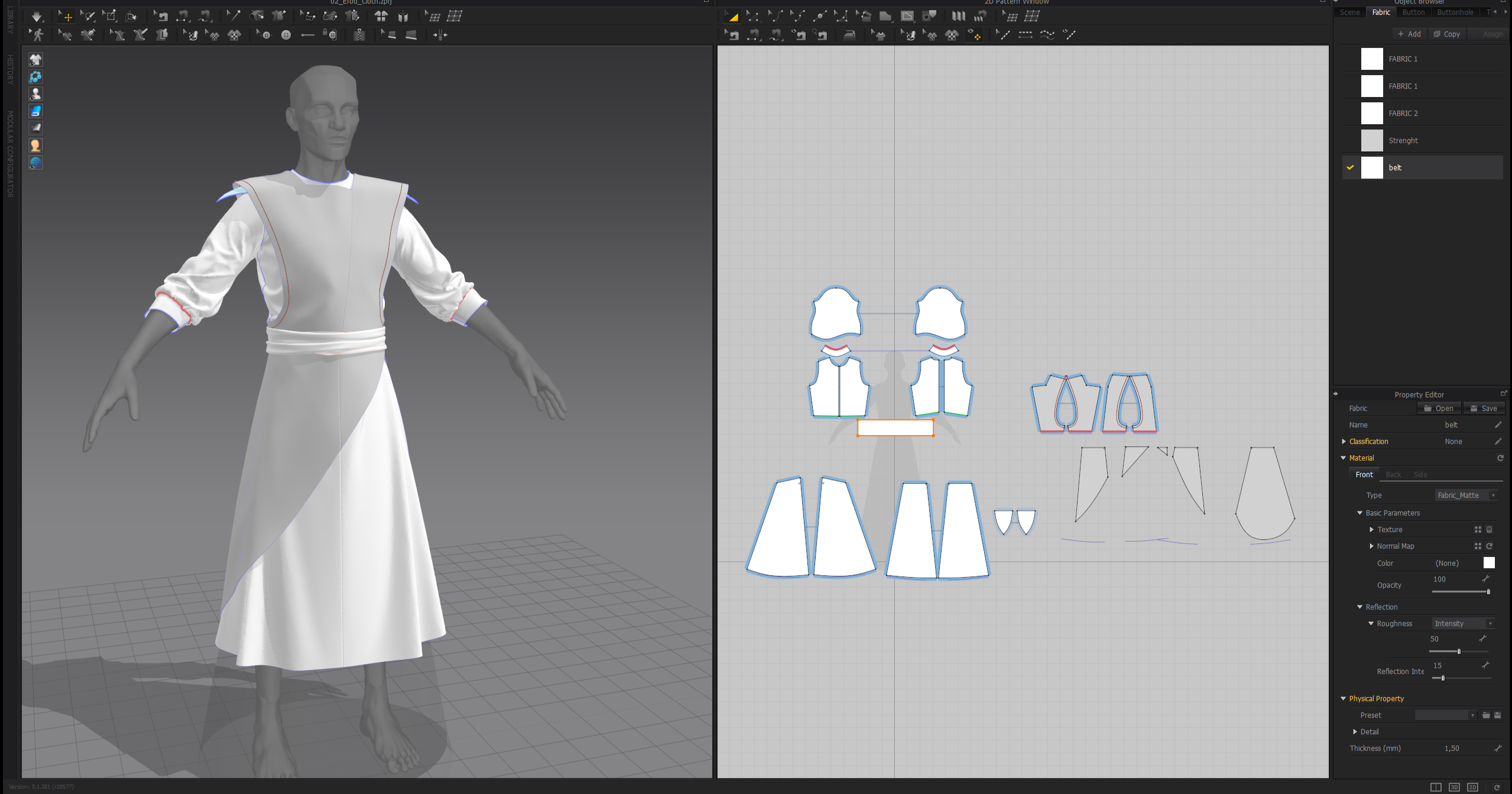
Taking into account the fact that players primarily look at NPCs' faces, we assigned a hierarchy of importance to clothing details. The closer an element is to the face, the more detailed it is. Consequently, the upper body needs to be more visually appealing than the lower body, which is darker and less saturated. To achieve this, we placed great importance on the folds and tension lines of the clothing, because unlike in cinema, these features are baked into the model and not moving and updating in real time.
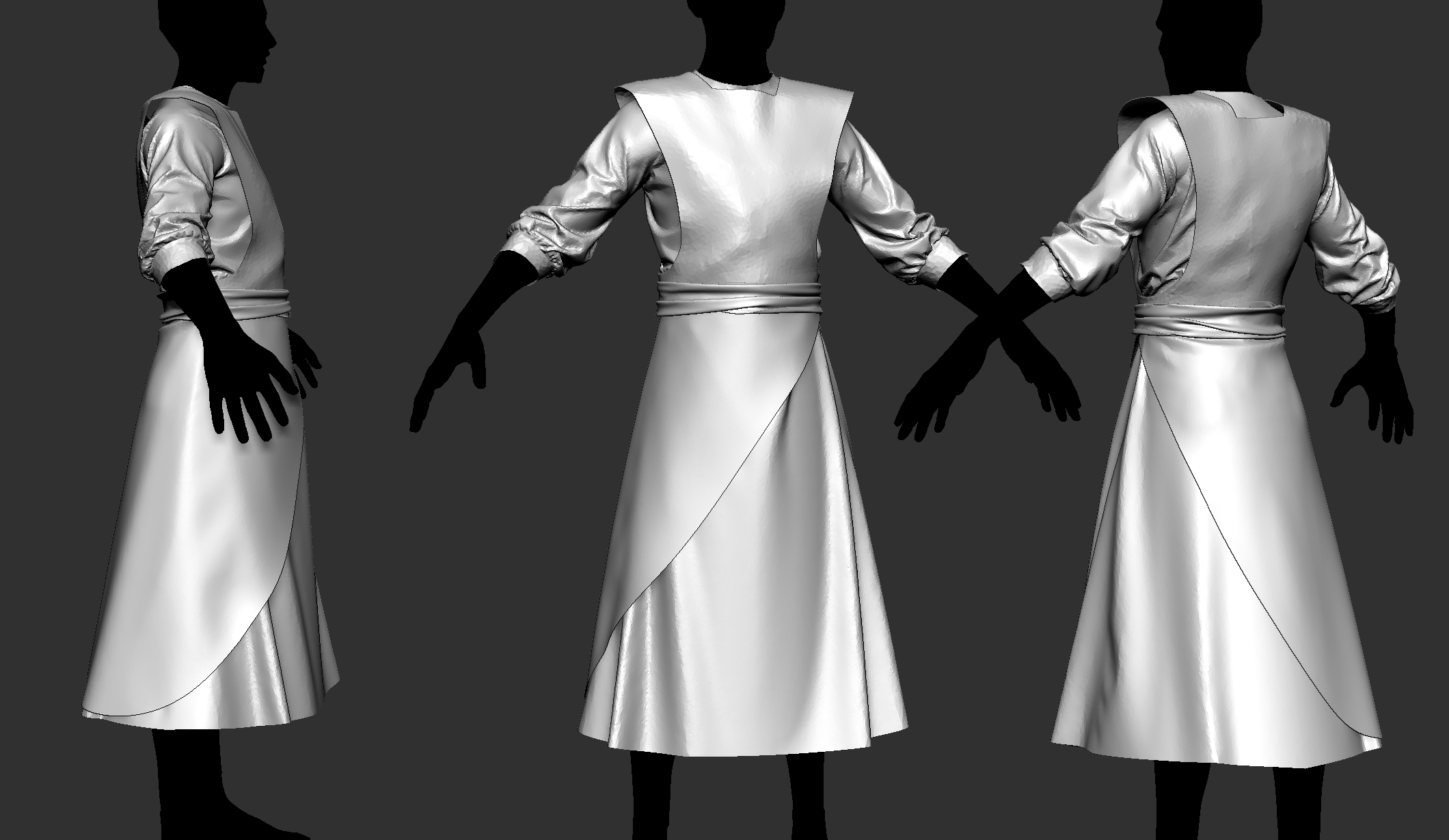
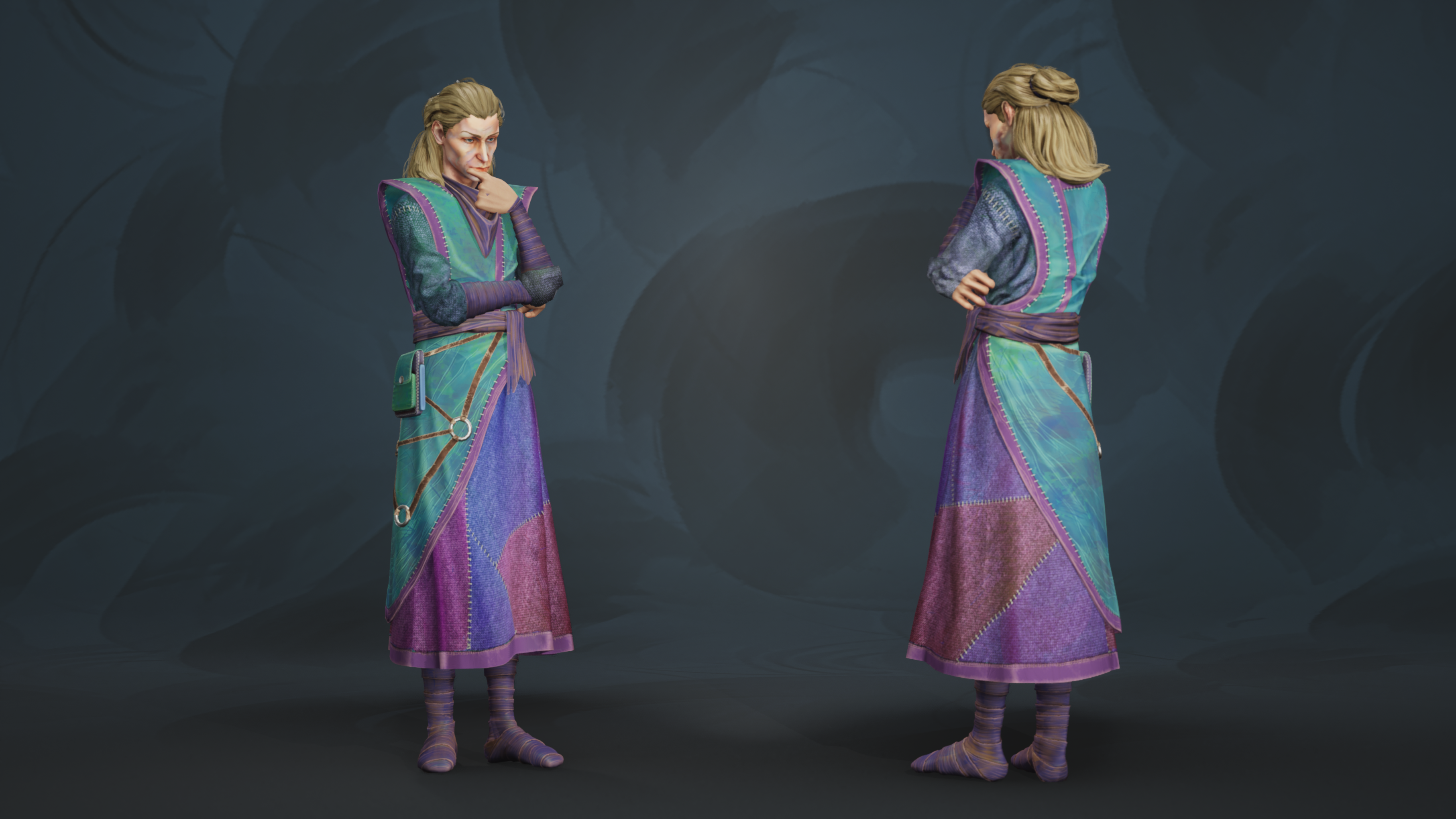
Looking back at character production on Tides of Tomorrow, what was the biggest challenge in building this clothing pipeline, and what advice would you give to character artists who want to use Marvelous Designer in a game production workflow?
One of the biggest challenges we faced in establishing this pipeline was anticipating quick and effective solutions in case of major changes resulting from production decisions. So we tried to make things as non-destructive and modular as possible.
If I were to offer advice to artists looking to integrate Marvelous Designer into their game production pipeline, I would tell them to carefully establish the workflow between their various 3D software applications so that no effort put into Marvelous goes to waste. Don't hesitate to use zero gravity during Marvelous simulations; this prevents the garment from exhibiting the creases, tension lines, and weight distribution associated with the character's T-pose or A-pose when viewed in the game engine. And one last tip: don't hesitate to seek information from professional tailors, watch tutorials on making real clothes, and look for sewing patterns on specialized websites.
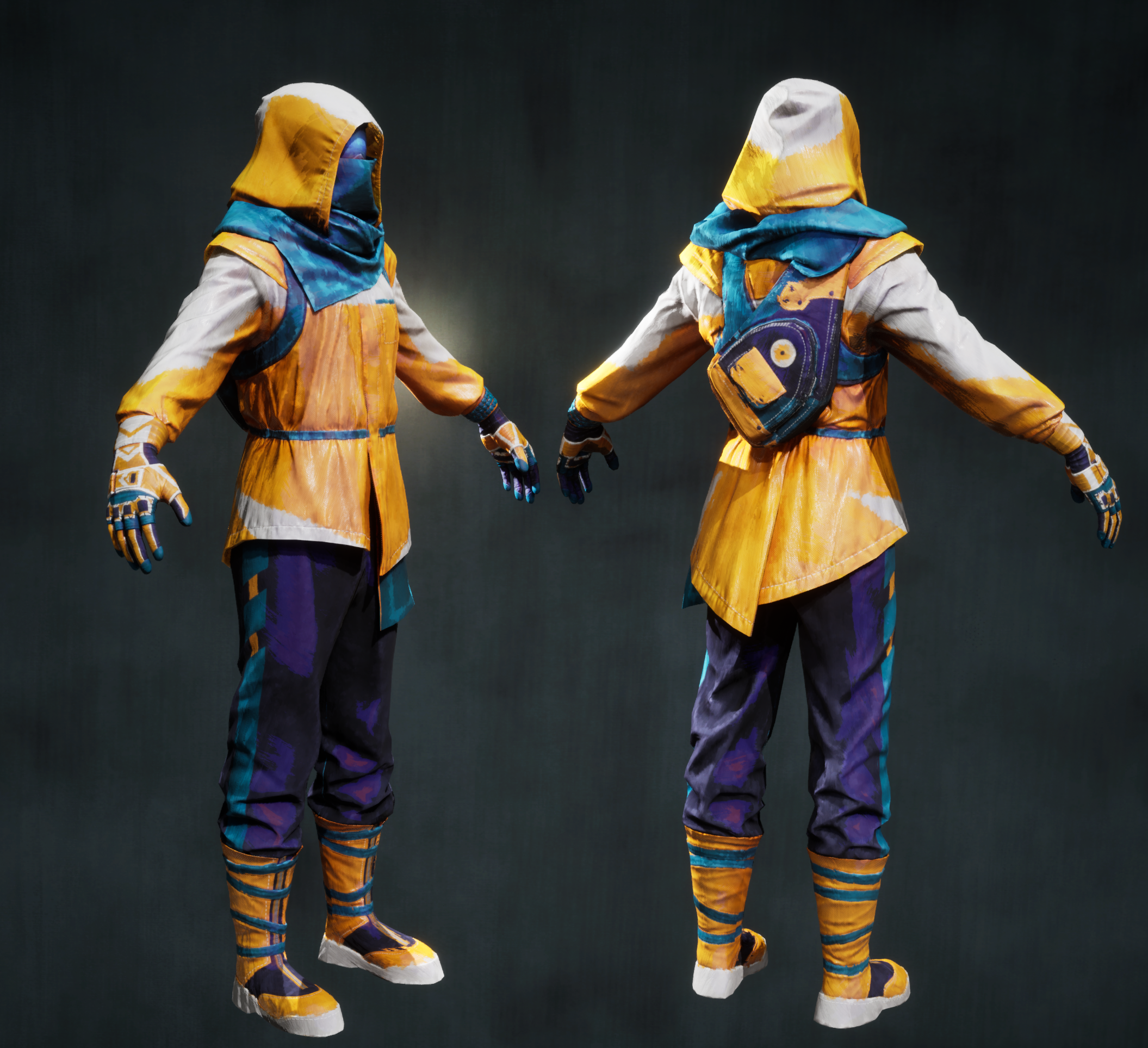
Thank you to those who were curious enough to read my explanations. I hope all of this proves useful for your future projects. Stay curious and have fun exploring different ways to create your 3D clothing. It is, in fact, one of the most important aspect in your character design.
이 작업은 Avatar, Pattern, Simulation, Texture, Houdini, Maya 등의 기술로 제작되었습니다.
Marvelous Designer로 이와 같은 3D 의상·캐릭터 작업을 직접 만들어볼 수 있습니다.