MATRIX - CALCULATED ESCAPE: Bridging MetaHuman, Marvelous Designer, and AI Sequences
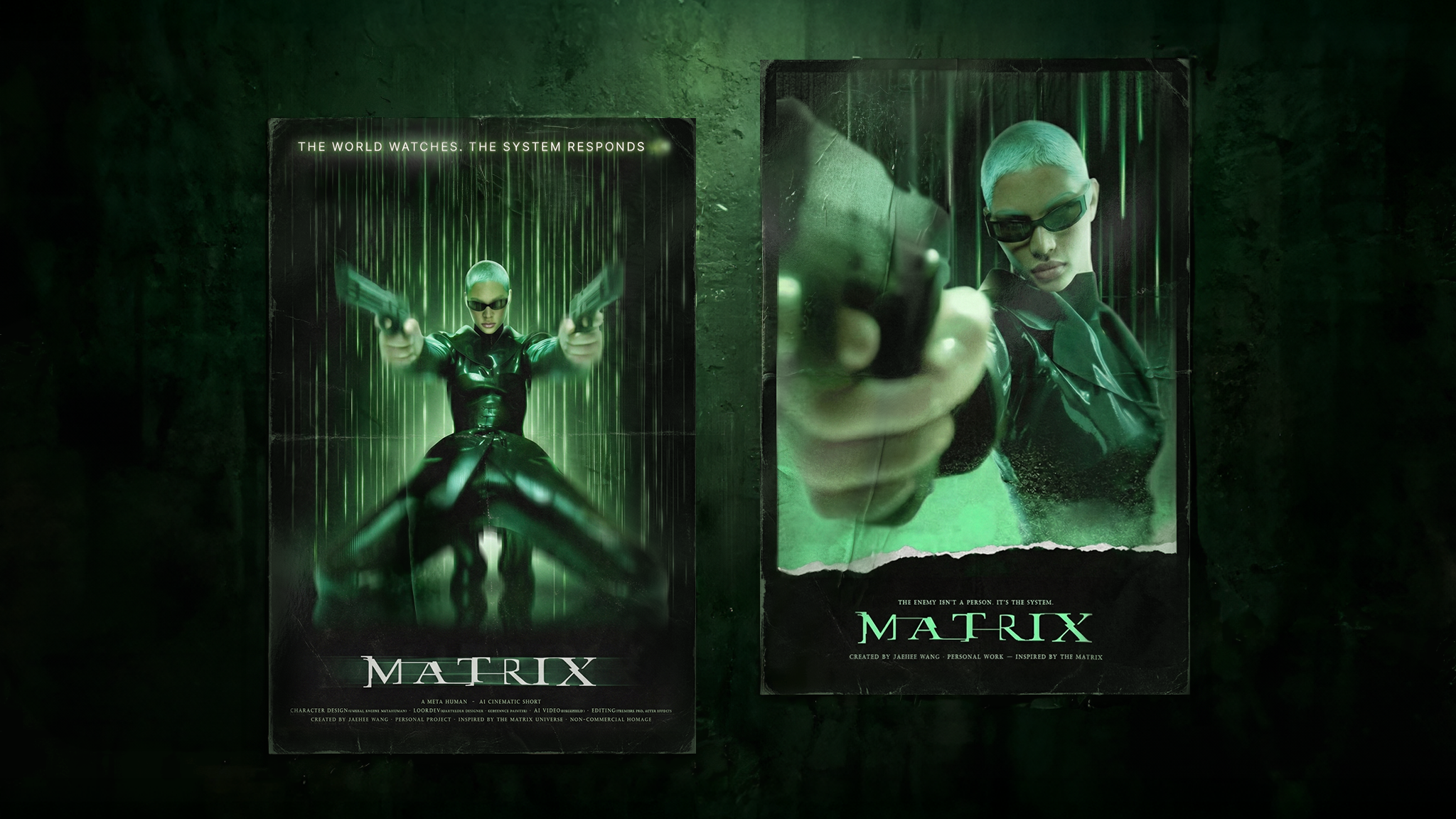
MATRIX - CALCULATED ESCAPE: Precision Tailoring meets AI Jaehee Wang synchronizes MetaHuman and Marvelous Designer to create a foundation of structural realism. This 3D precision acts as a strategic anchor for an AI sequence pipeline, using Unreal Engine renders to ensure absolute character consistency while redefining the limits of modern cinematic storytelling.
[Artist Introduction]
Could you start with a brief introduction of yourself?
 Hello. I am a creator specializing in 3D motion graphics and AI video production. Utilizing Cinema 4D as my primary tool alongside various other software, I focus on visual expression through characters, environments, and movement.
My background in industrial and product design involved balancing high-quality results with practical constraints like unit costs, materials, and mass production. While this taught me the importance of structural design thinking, I found myself drawn to the 3D environment, where I can convey messages more freely and intuitively through form and motion.
Currently, I am exploring character-based cinematic compositions with a focus on planning and directing, while integrating AI-driven video pipelines into my workflow. I continue to develop personal projects with the goal of creating work where technology and art direction connect seamlessly.
[About the MATRIX - CALCULATED ESCAPE]
Your project ‘MATRIX - CALCULATED ESCAPE’ is incredibly impressive. Could you tell us more about it?
MATRIX - CALCULATED ESCAPE is a cinematic video project that reinterprets systems operating without human awareness through the metaphor of a Matrix-style virtual world. Inspired by the worldview and structural narrative presented in the film The Matrix, this project sought to unravel an individual's process of perceiving and attempting to escape the system using a more restrained visual language.
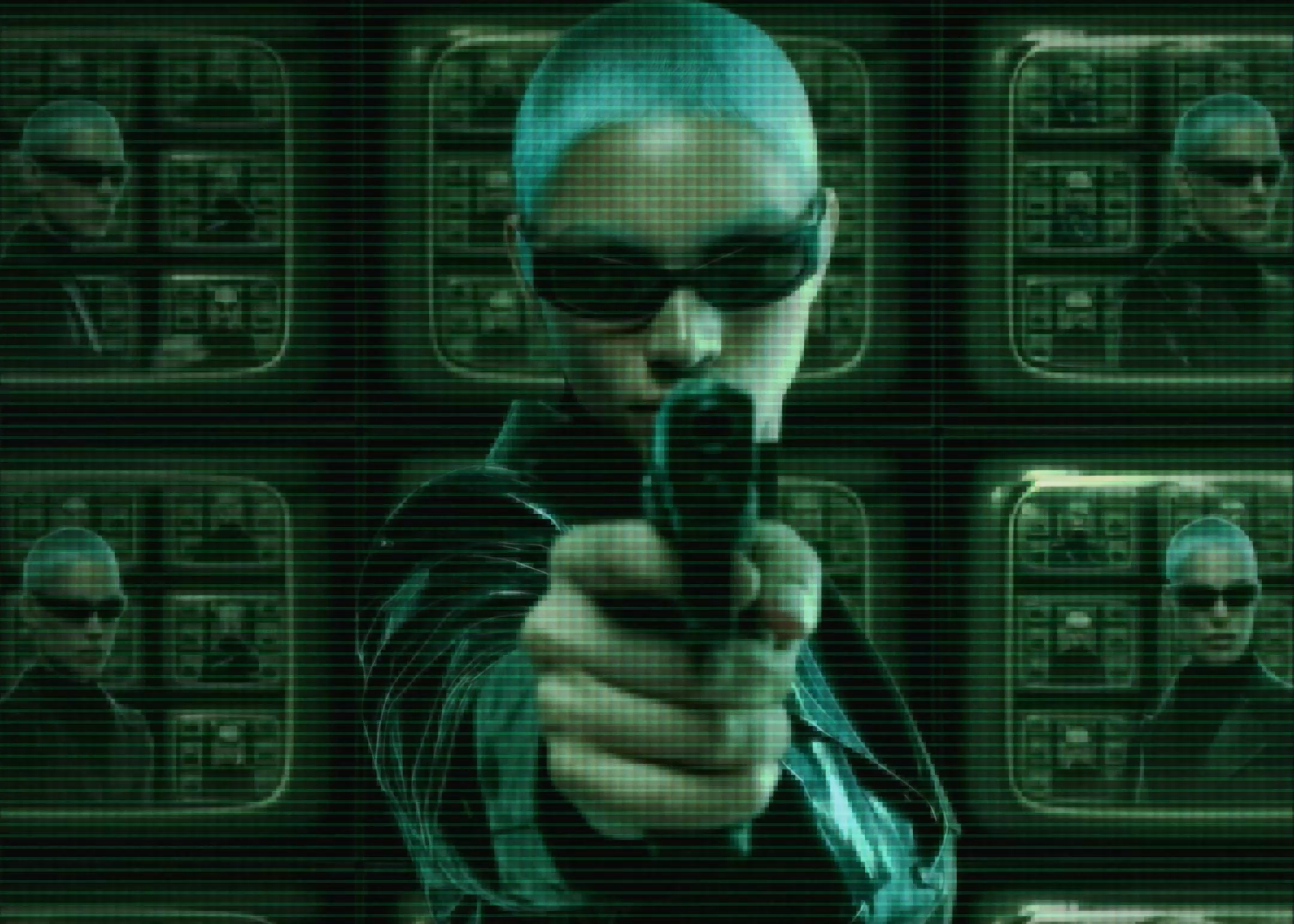
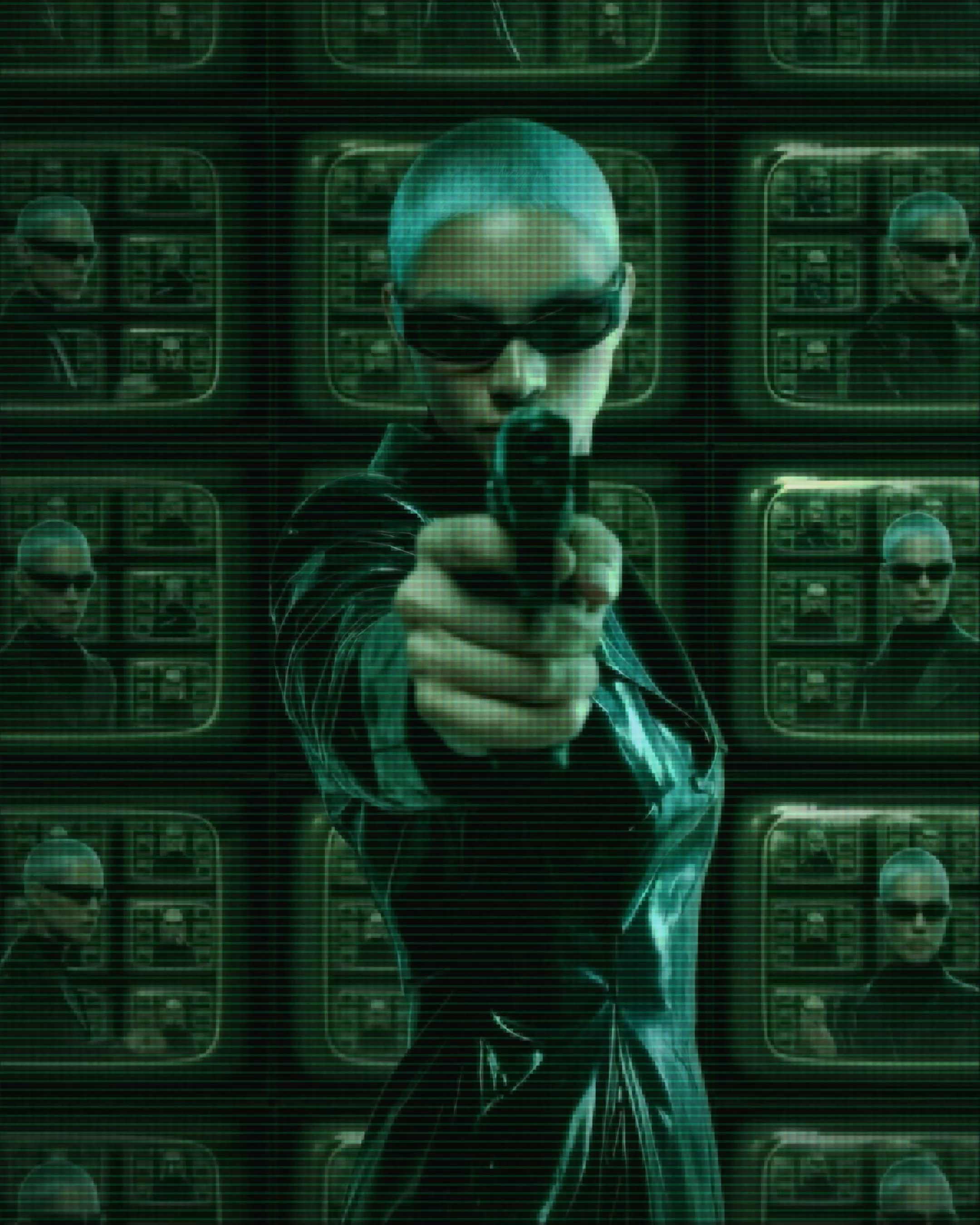
In this project, I aimed to visually reveal the concepts of systemic rules, surveillance, and repetition through a structure where the character's emotions and movements become increasingly restricted. I designed the piece so that viewers gradually experience the cracks and control inherent in the system through the use of glitches, noise, and repetitive screen staging.
The narrative follows this specific flow:
The Red Pill: Symbolizes the choice to perceive reality.
Distorted Messages and TV Screens: Symbolize surveillance and replicated rules.
The Telephone (Exit Signal): Functions as the final signal required to exit the system.
Ultimately, "escape" is portrayed not as an impulsive act, but as a process of breaking free through calculated choices and systemic awareness. The project focuses on the structural tension where cracks gradually emerge within a controlled order.
[Character Design]
The characters in the MATRIX project are deeply impressive due to their realistic expression and restrained movement. Could you explain the detailed workflow you used to create these characters using MetaHuman and Marvelous Designer?
 The characters in this project were designed with the goal of embodying realistic human forms paired with a composed, resilient image. To achieve this, I utilized MetaHuman and Marvelous Designer, assigning specific roles to each tool.
1. Character Prototyping (MetaHuman)
I began by constructing the character's base form in MetaHuman, focusing primarily on body proportions and skin details. I carefully adjusted the facial balance and nuances to maintain a restrained, stoic impression rather than using exaggerated expressions.
2. Costume Design (Marvelous Designer)

Next, I crafted the clothing using Marvelous Designer.
Process: I imported the MetaHuman body (stripping away decorative elements) and designed patterns based on a silhouette optimized for movement and a close-fitting structure.
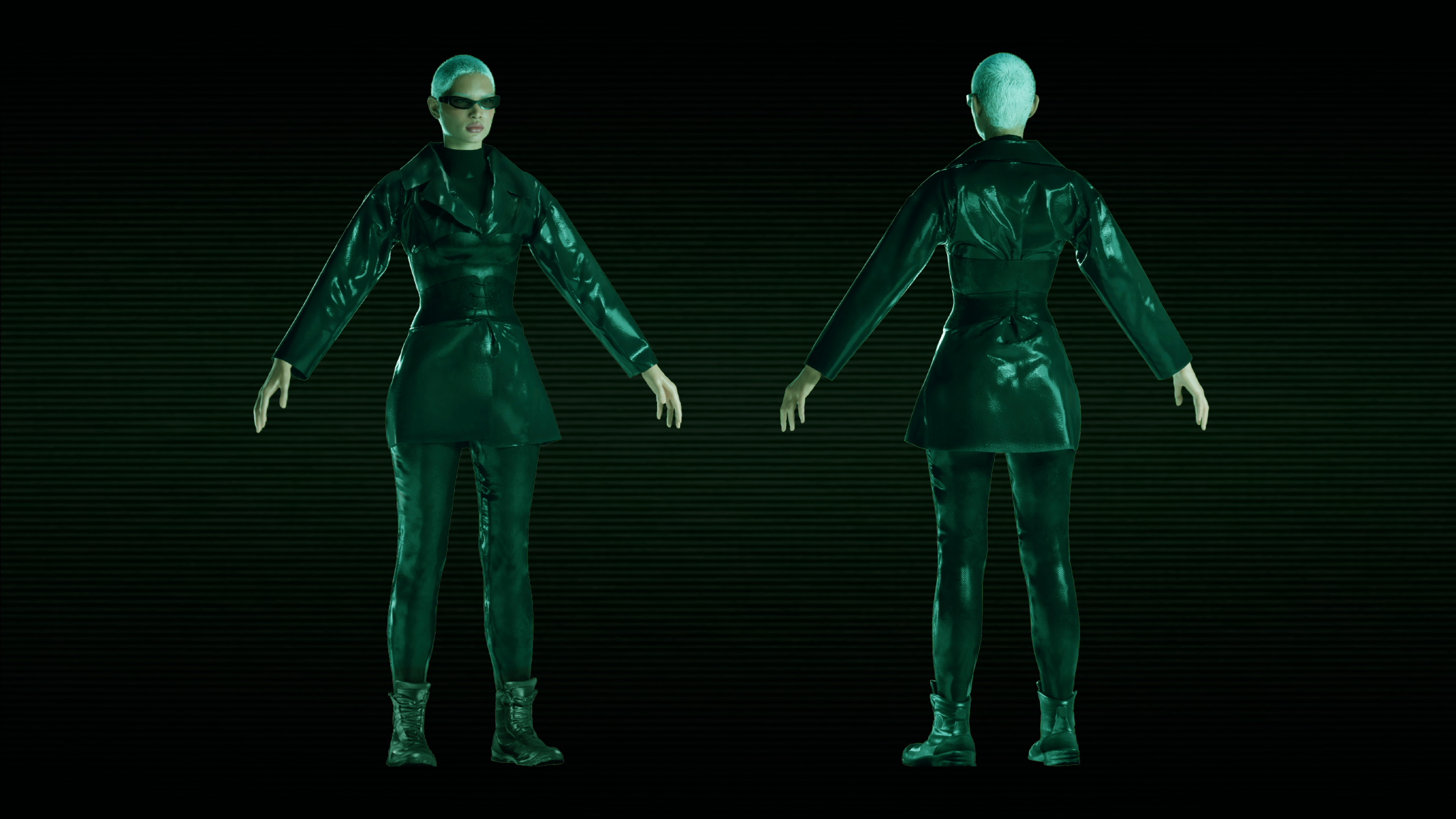
Styling: I applied a corset-style garment over a neutral leather jacket to cinch the waistline. This specific look was intended to reinforce the character’s identity and "agent-like" persona.
3. Simulation & Integration (Unreal Engine)
Once the garment production was complete, I established the character's posture in Unreal Engine based on a standard A-pose. I then ran the cloth simulation to reflect that specific pose accurately.
4. Final Look Development
The final step involved applying textures to the simulated clothing and fine-tuning the camera composition and lighting simultaneously. This integrated approach allowed me to complete the main style frames with a high degree of visual cohesion.
[AI Sequence Production Process]
You mentioned that you developed AI sequences based on your character designs. Could you walk us through the overall workflow of how these AI sequences were produced?
In my experience, the greatest advantage of an AI sequence workflow is the ability to generate high-density images and videos in a short amount of time, provided the planning intent is clear.
For this project, rather than starting with AI from scratch, I chose to expand upon my own pre-designed character assets. This ensured that the concept and character details remained consistent throughout the process.
The Workflow:
Reference Setting: I used the main style frames rendered in Unreal Engine as the base reference images for AI generation.
Guided Generation: Depending on the scene's requirements, I generated background elements, special effects, and various character angles. To ensure the AI recognized the output as the same individual, I fed it a dataset of the character's full body, close-ups, and multiple angles that I had personally created.
Refinement & Compositing: After deriving numerous drafts, I used Photoshop to iteratively recombine and retouch the images.
Cohesion & Motion: Once the stills were finalized, I unified the color grade and tone across the entire sequence. Finally, I designed motion prompts tailored to the project’s plan to generate video clips, then adjusted the pacing and duration to complete the final sequence.
[Experience with Marvelous Designer]
What was the most impressive feature or experience you had while using Marvelous Designer?
 The most striking aspect of using Marvelous Designer was that it shifted my perspective: I wasn't just "modeling" clothes; I was thinking about them in terms of structure and physical properties.
In traditional 3D tools, I was accustomed to creating a shape first and then adding details on top. However, because Marvelous Designer is based on patterns and tailoring structures, I was able to create organic, flowing garments with much greater freedom.
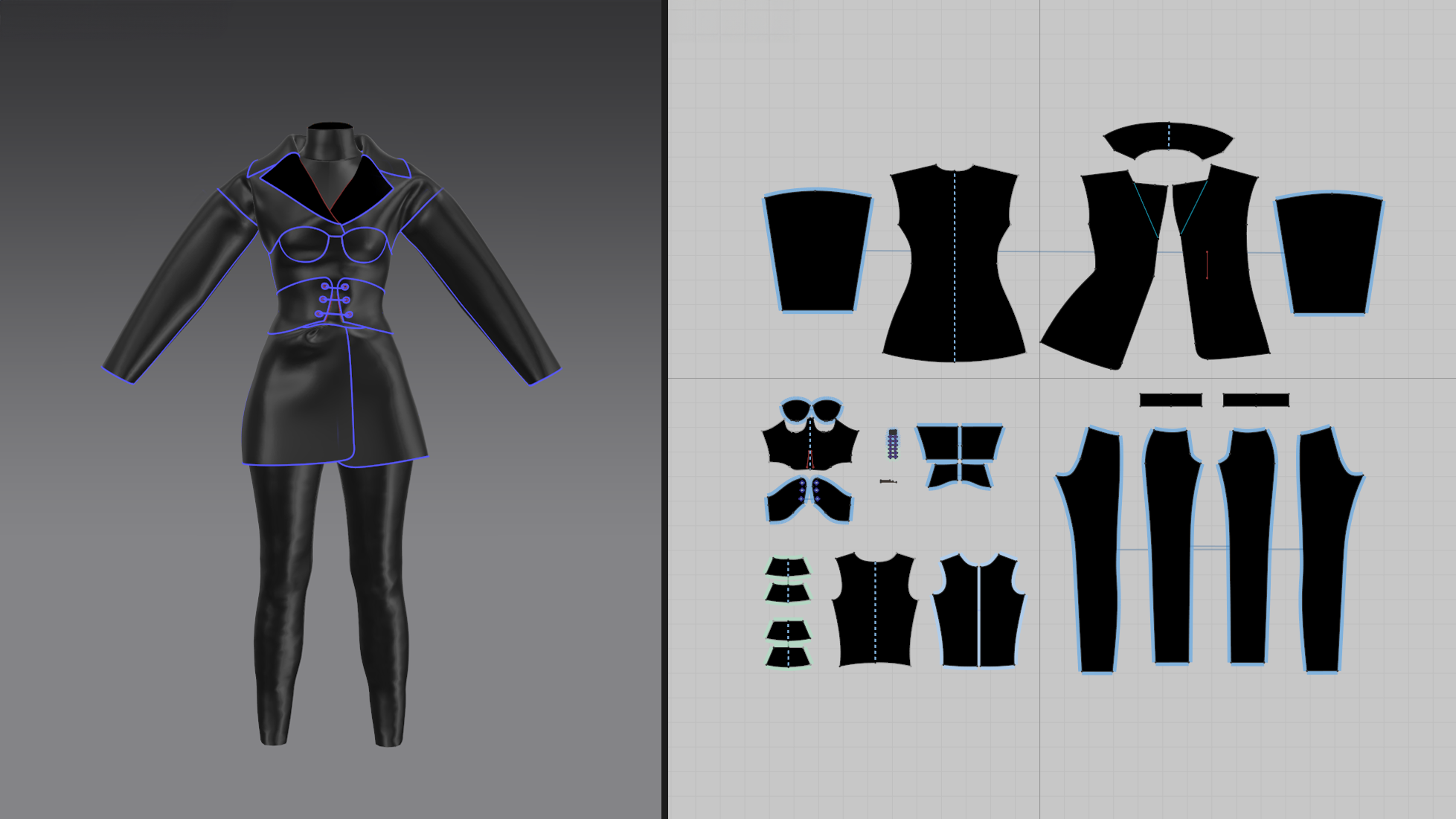
Specific highlights of the experience include:
Real-time Iteration: I found it incredibly efficient that even a minor tweak to a pattern was immediately reflected through the simulation.
Visual Intuition: The ability to instantly verify the silhouette, the direction of wrinkles, and how tightly the fabric fits the body—visually rather than through numerical values—is a massive advantage.
Within the overall workflow, I felt Marvelous Designer acted as the pivotal stage for character polish. By realistically draping garments over the body built in MetaHuman, I was able to elevate the character's sense of realism and overall quality to the next level.
[Scalability: Marvelous Designer × Unreal / MetaHuman]
Marvelous Designer is expanding various connectivity features with Unreal Engine (UE) such as LiveSync, USD data export for garments, and the MetaHuman Importer. If you are planning future projects using Marvelous Designer, in what directions would you like to expand your work using these connectivity features?
I am particularly interested in projects where the organic movement and physical properties of clothing are expressed more dynamically. Specifically, I would like to experiment with traditional Korean attire (Hanbok), which emphasizes the flow of fabric and complex layered structures.
Moving forward, I want to leverage the integration between Marvelous Designer and Unreal Engine to continuously explore ways to naturally render the motion and texture of garments within a cinematic environment.
이 작업은 Animation, UnrealEngine, Rendering, AI 등의 기술로 제작되었습니다.
Marvelous Designer로 이와 같은 3D 의상·캐릭터 작업을 직접 만들어볼 수 있습니다.