From 3D's Vibrancy to 2D Lyricism: Redefining the Boundaries
We dive into the creative universe of Seongmin Lee—an artist who moves seamlessly across genres and boundaries.
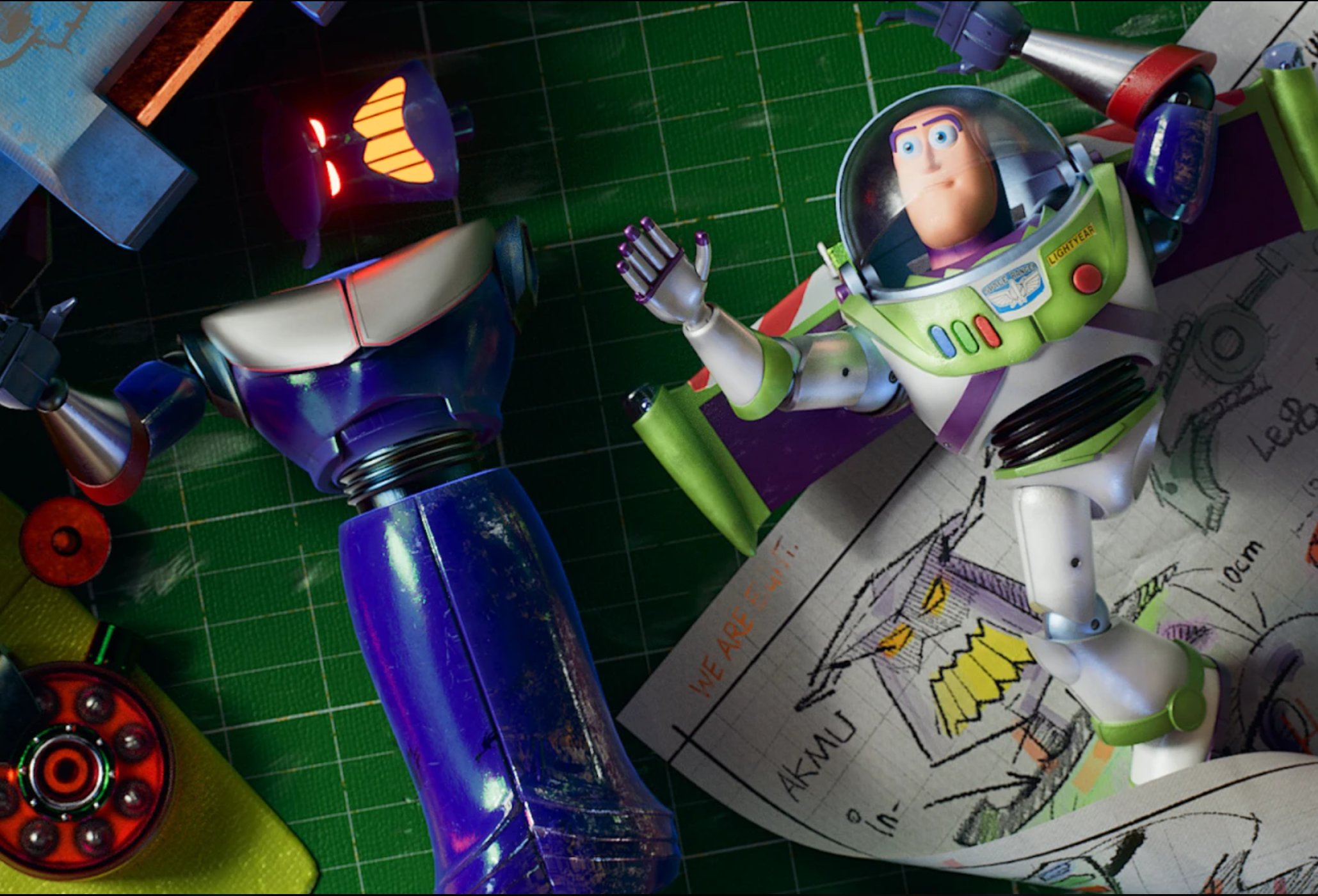
Could you please introduce yourself to our community?
Hi everyone! I’m Seongmin Lee from Walps Studio. Marvelous Designer has been a staple in my workflow since the very beginning of my career. I’ve utilized it extensively not only for client projects but also for my personal work, which has allowed me to bring so many exciting ideas to life. I’d like to take this opportunity to express my heartfelt gratitude to Marvelous Designer for being such a pivotal partner throughout my journey. Thank you!
Let’s talk about your "Zurg Story" project first, which featured Marvelous Designer. The narrative centered around Zurg—the toy belonging to Sid, the "bully" from Toy Story 1—is truly captivating. What was the inspiration behind this project?
Zurg Story is a personal project that actually originated from a sense of professional insecurity I felt at the time. I projected my own emotions onto the character of Zurg. Between 2020 and 2022, I saw many of my peers creating incredible personal projects, and I was naturally influenced by their work. I found myself thinking, "I really want to create a signature piece that I can truly call my own." That desire was the spark that started this entire project.
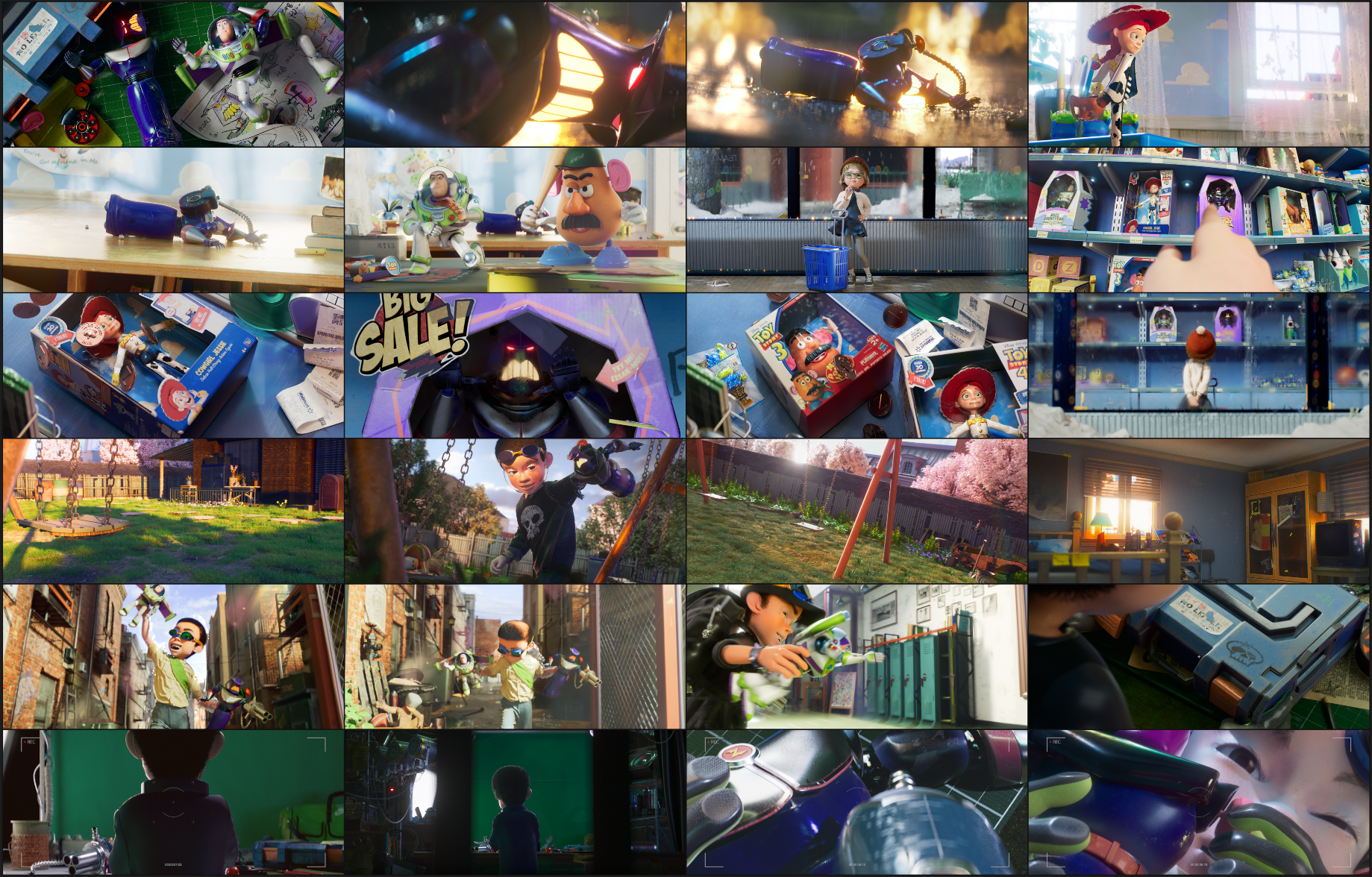
How did you utilize Marvelous Designer in this specific project? Could you walk us through your pipeline and how it integrated with other software?
My core workflow involves a pipeline between Marvelous Designer and Cinema 4D (C4D). I first finalize the character animation in C4D and then export that data as an Alembic (.abc) file to bring it into Marvelous Designer. That’s where the garment construction and cloth simulations take place. Once the simulation is polished, I bring the cache back into C4D for final output. This has become my standard, go-to pipeline for most of my projects.
Do you have any specific "pro-tips" for achieving those aesthetically pleasing wrinkles and draping that perfectly match a character’s pose or movement?
Looking at real-world apparel, I’ve found that outfits look best when the ribbed areas (cuffs or hems) have a strong elastic tension, while the main fabric falls with a more relaxed, loose fit. To replicate this in MD, I typically set the 'Shrink Weft/Warp' values for the ribbing patterns to around 70% to give them that tight, snug feel. It’s easiest to visualize if you think of the distinct silhouette of jogger pants. Balancing that tension is key to creating a natural and high-quality silhouette.
I’ve been following your previous projects with Marvelous Designer, and they are quite impressive. As someone who works across both 2D and 3D genres, what do you consider the "defining aesthetic touch"—that subtle difference that elevates a piece?
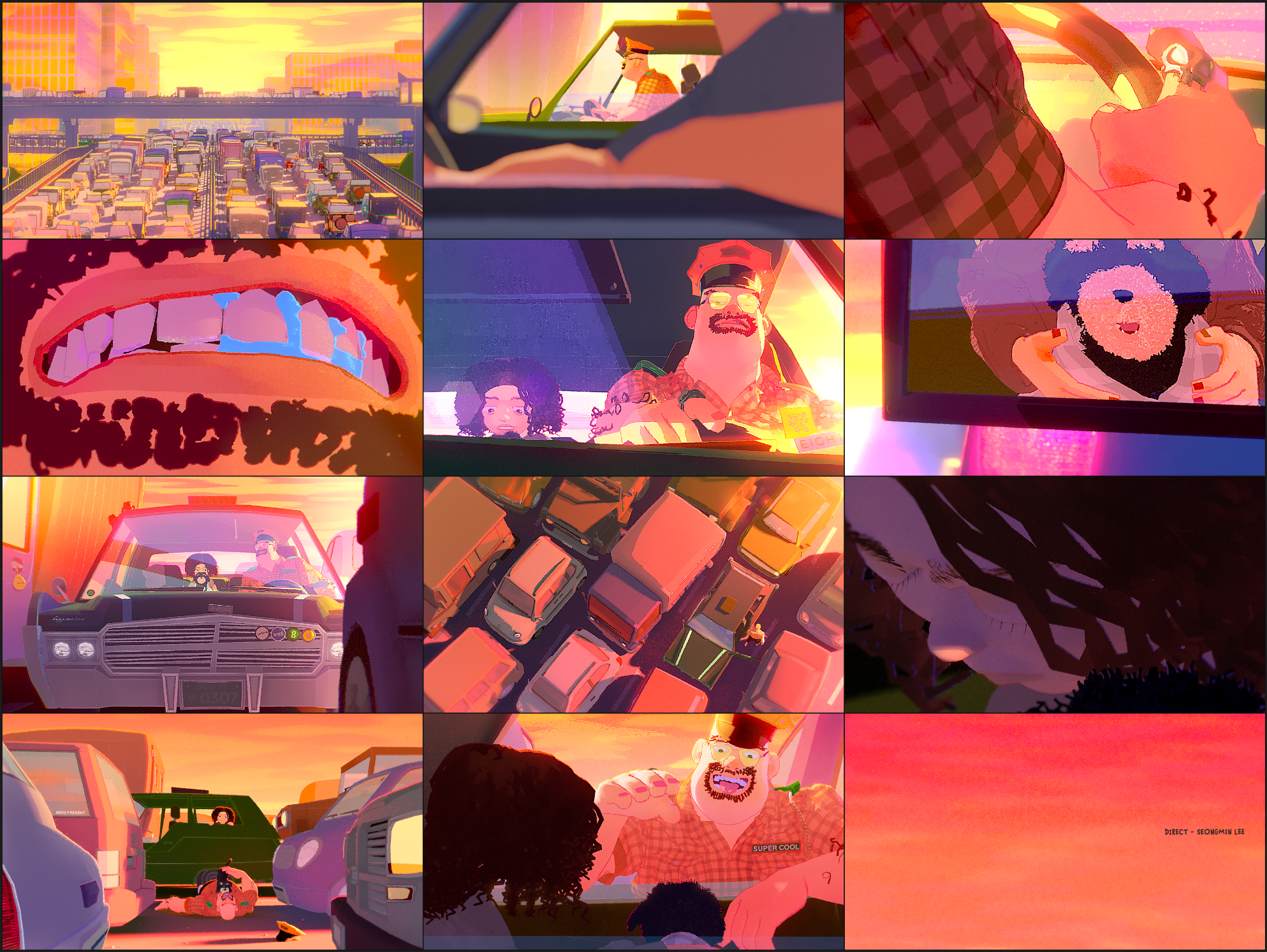
I believe there is a fundamental difference in how 2D and 3D are constructed. In a 3D environment, even if you blur the forms or let the silhouettes fade out naturally, the image can still feel "right." In 2D, however, I’ve found that while light values may shift, the overall beauty comes from having the forms and shapes remain as sharp and defined as possible. Ultimately, I think the key to creating an aesthetically superior piece lies in truly understanding the "sensibility" behind 2D shading. To be honest, it’s still a very challenging area for me, so I’m constantly studying and pushing myself to learn more.
In your work, Rainy Day Puppy, you designed outfits specifically for a dog. Obviously, canine anatomy and movement are entirely different from those of humans. What was the most challenging part of drafting patterns for a dog, and how did you approach the problem?
When I was working on the dog outfits, I actually started by exploring many of the free pattern assets available on the Marvelous Designer Store. I experimented by adapting human hoodie patterns for a dog and then added creative touches, like attaching a skirt to the hem of the hoodie.
Since their proportions are so different from ours, I had to significantly adjust the scale—the neck and shoulder regions required much larger patterns, while the leg openings had to be much narrower. I remember going through countless iterations and pattern variations. Fortunately, because Marvelous Designer is such a robust and high-speed tool, I was able to test, refine, and iterate multiple times without any technical burden. It allowed me to focus entirely on the creative trial-and-error process.
Looking ahead, in what direction do you hope to expand your creative work with Marvelous Designer?
I plan to continue focusing on narrative-driven character work, and I expect to rely heavily on Marvelous Designer for all garment-related elements in my storytelling. It has become an indispensable part of my creative process. Finally, I’d like to express my sincere gratitude to everyone who took the time to read through this long interview. Thank you!
이 작업은 Animation, Simulation, Cinema4D, characterart 등의 기술로 제작되었습니다.
Marvelous Designer로 이와 같은 3D 의상·캐릭터 작업을 직접 만들어볼 수 있습니다.