Death is a Beginning: Weaving the Ethereal Fabric of Rebirth with Marvelous Designer
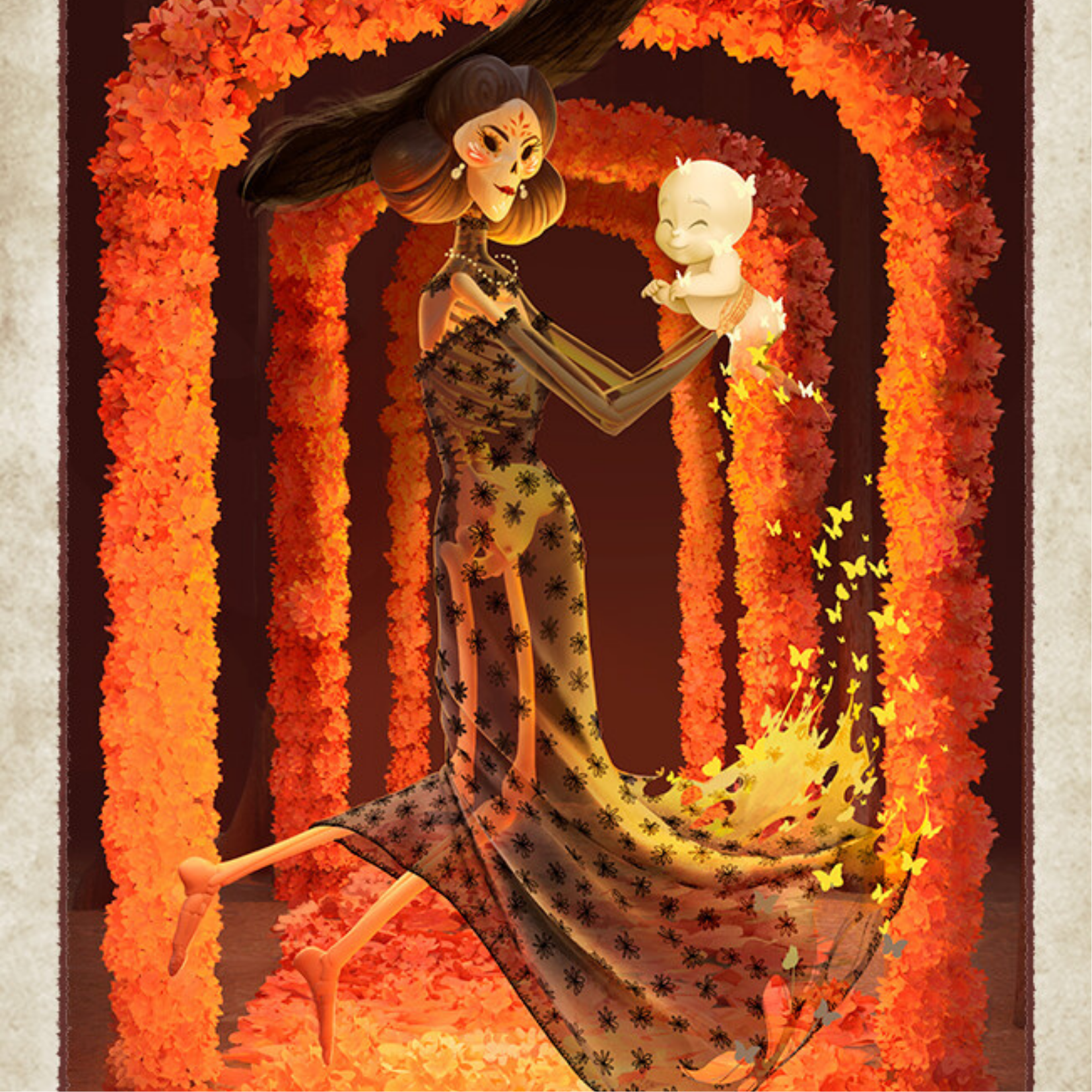
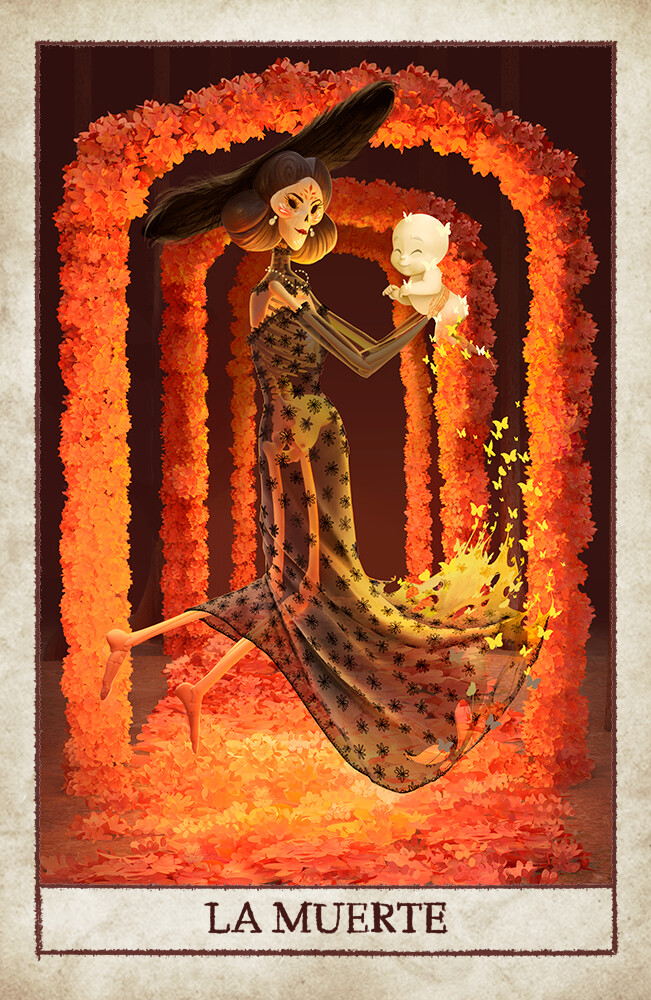
For Eduardo, fabric is never just fabric; it is the living protagonist of his art. This 3D artist skillfully employs Marvelous Designer to bridge digital textiles with his powerful 2D illustrations. Delve into "Death is a Beginning"—his striking reinterpretation of La Lotería's iconic card La Muerte (‘Death’), where the ethereal drape is precisely crafted to guide the viewer's eye through a profound narrative of rebirth.
 Interview with Eduardo Gala | Death is a Beginning | 3D Artist & Illustrator
Could you start by introducing yourself and the core idea behind this artwork?
I am a 3D artist and illustrator, and I truly enjoy using Marvelous Designer to achieve more refined and realistic fabric details in my illustrations. The software allows me to simulate natural elements such as wind, which brings greater credibility and dynamism to my characters.
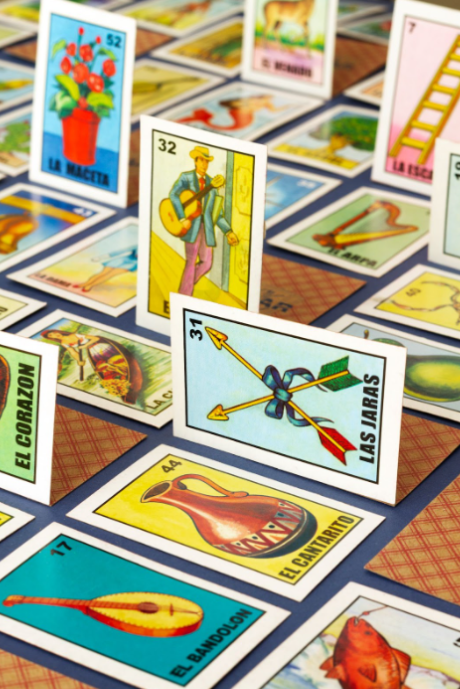
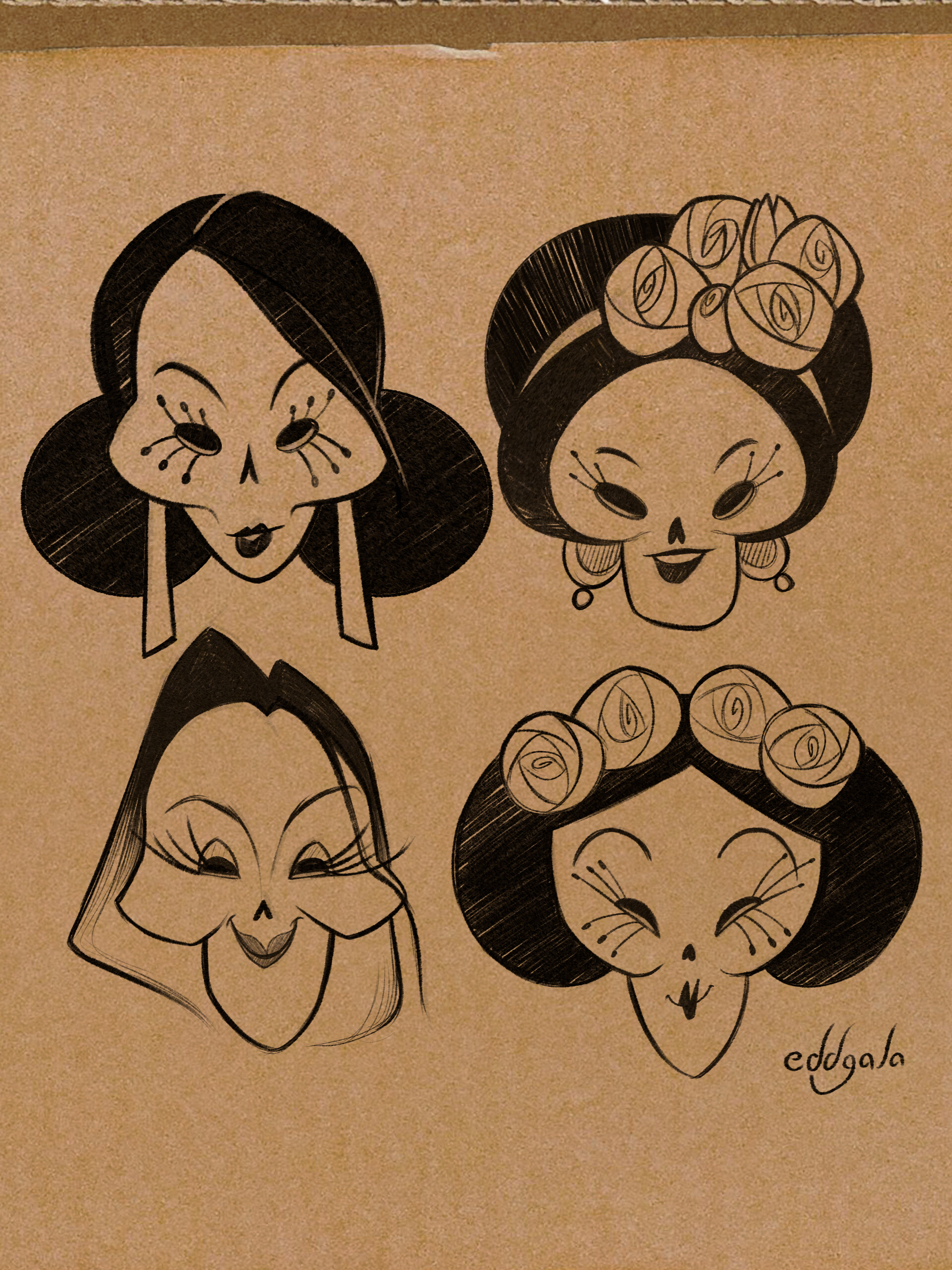
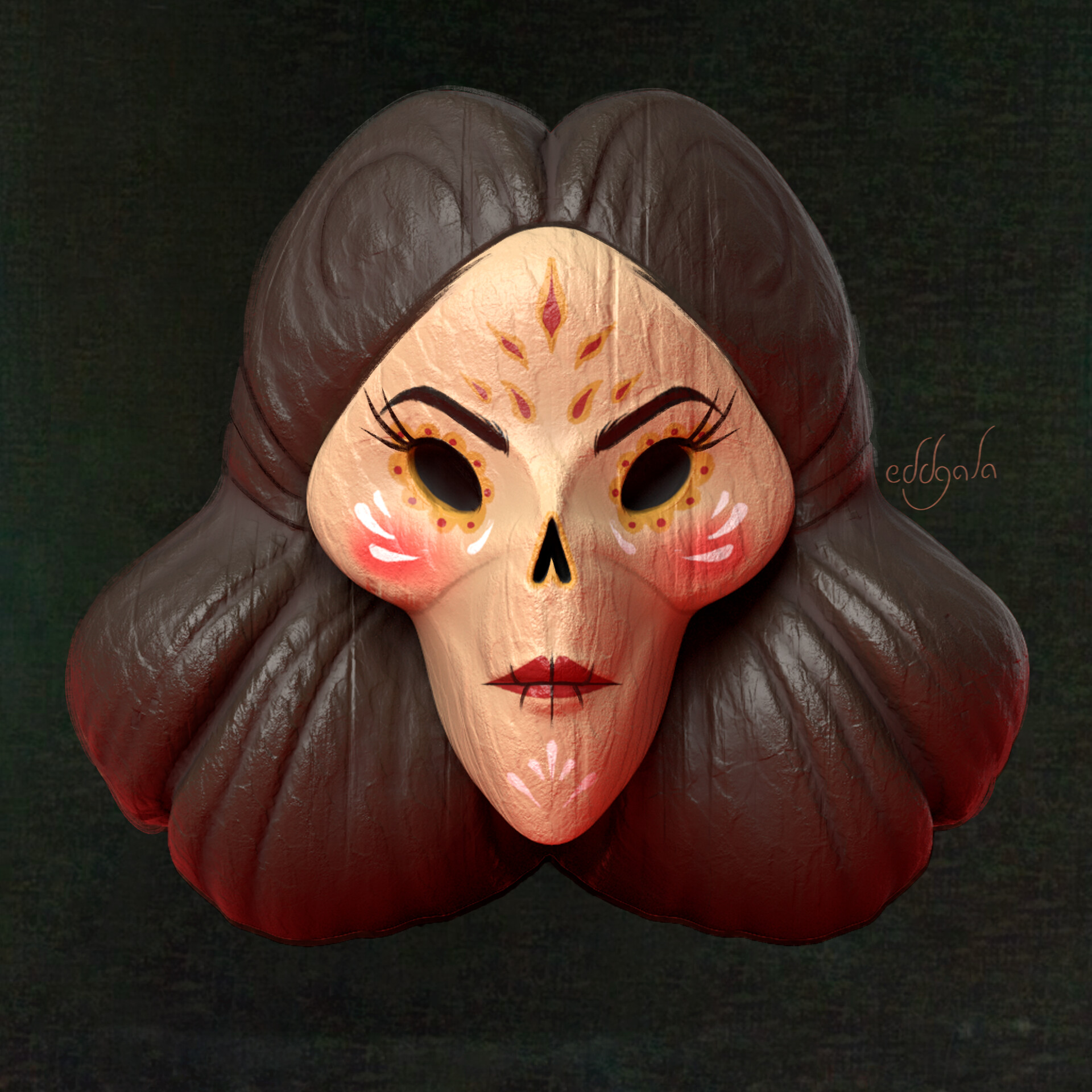
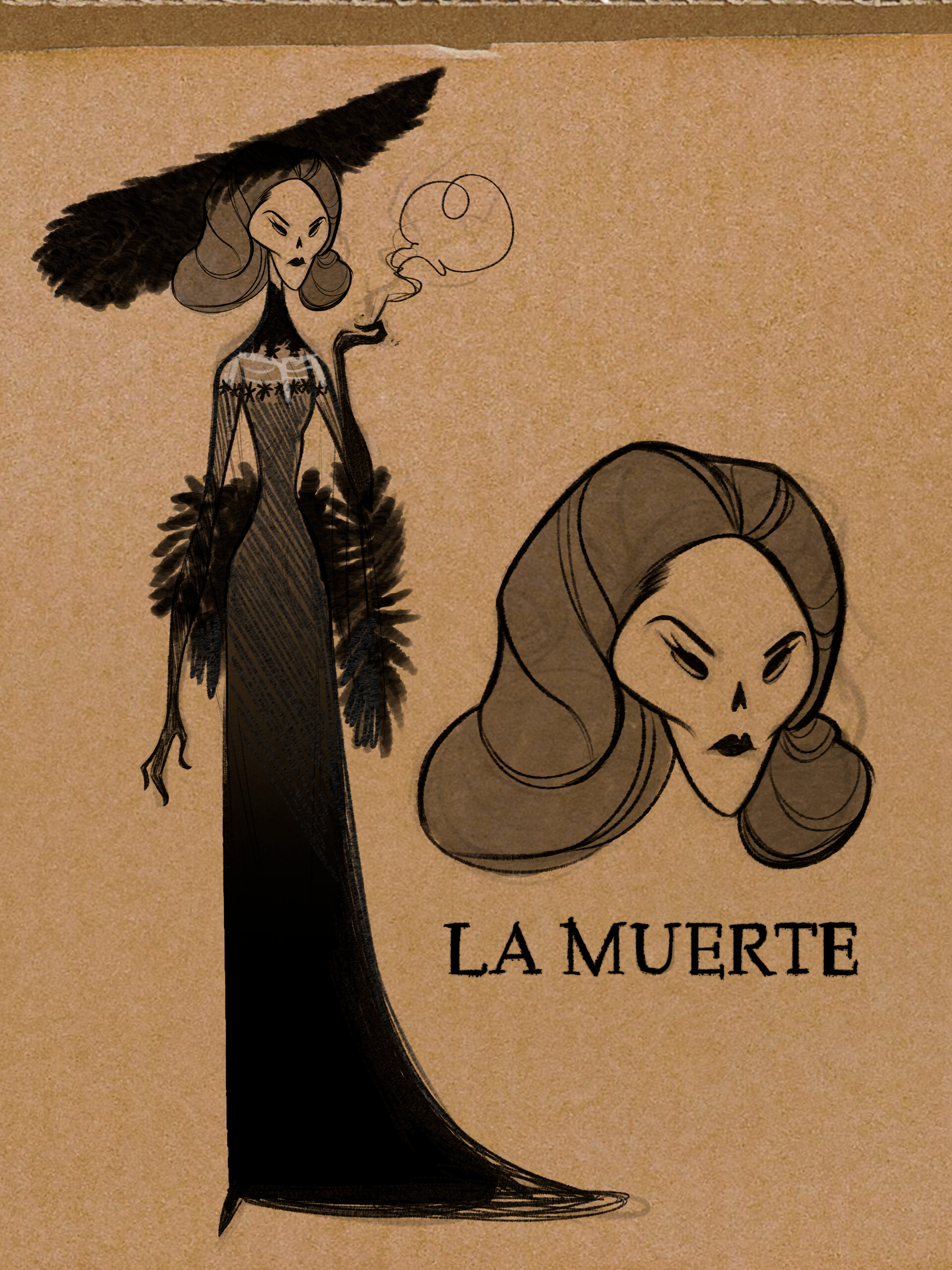
I am currently working on a series of illustrations inspired by a traditional Mexican game called La Lotería. One of its iconic cards is La Muerte (‘Death’).
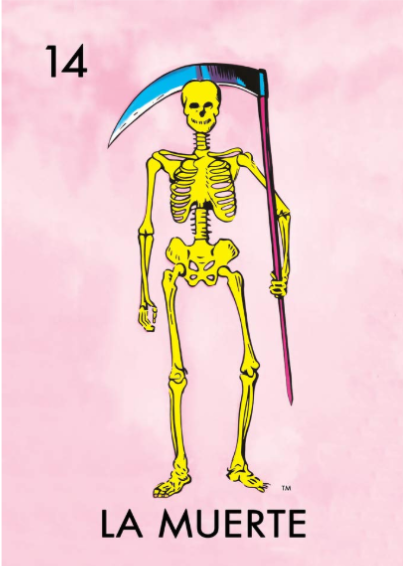
If you look at the original card, it depicts a simple skeleton holding a scythe. For my reinterpretation, I wanted to give it a deeper meaning.
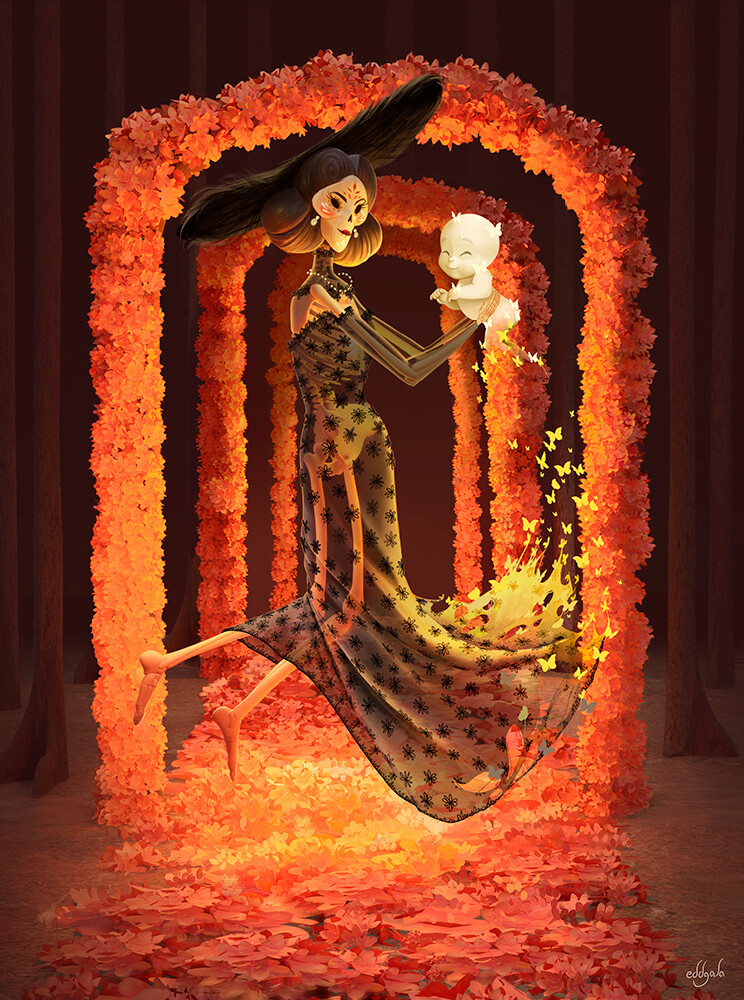
To me, death does not represent the end of a story, but rather the beginning of something new. I believe in the idea of reincarnation, and that life is made of experiences we are meant to live and learn from. My illustration reflects that belief: it portrays a character who is about to reincarnate into a new version of themselves.
The composition is very powerful. Could you walk us through your thought process for creating this specific scene?
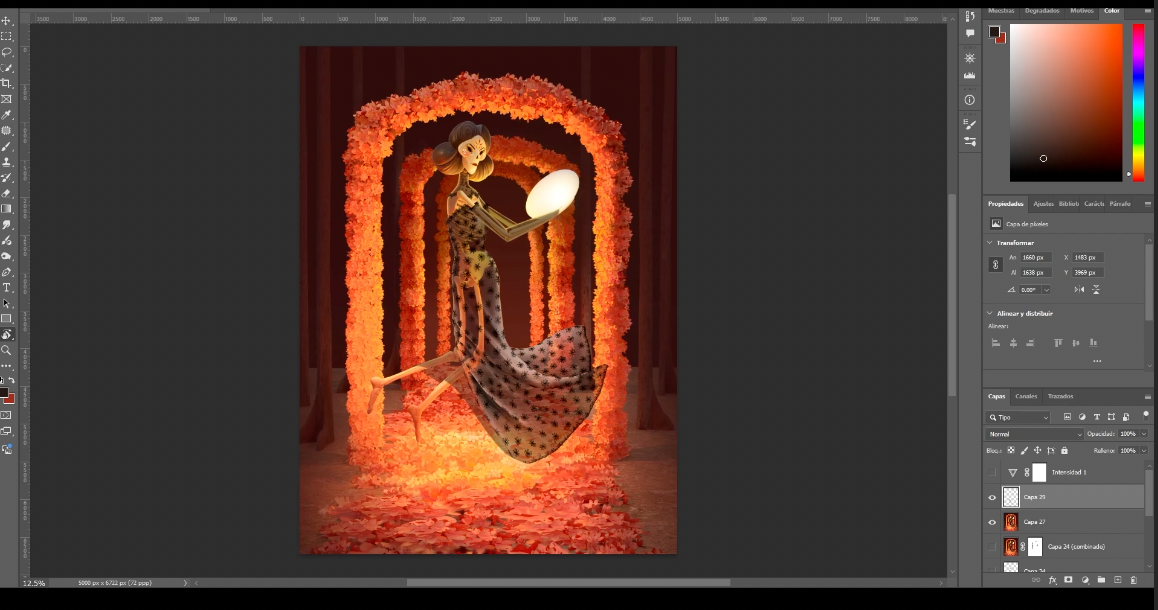
For this piece, I used a centered composition surrounded by arches of cempasúchil flowers. In Mexico, we celebrate the Day of the Dead on November 2nd, and we decorate the graves of our loved ones with altars made of cempasúchil, similar to what many people saw in the film Coco.


For the character of Death, I dressed her in black to symbolize mourning, while the new soul is dressed in white to represent a beginning. The dress of Death dissolves into butterflies, which then start to form the body of the new soul.
What role did Marvelous Designer play in the creation of this artwork? Which elements were designed using Marvelous Designer?
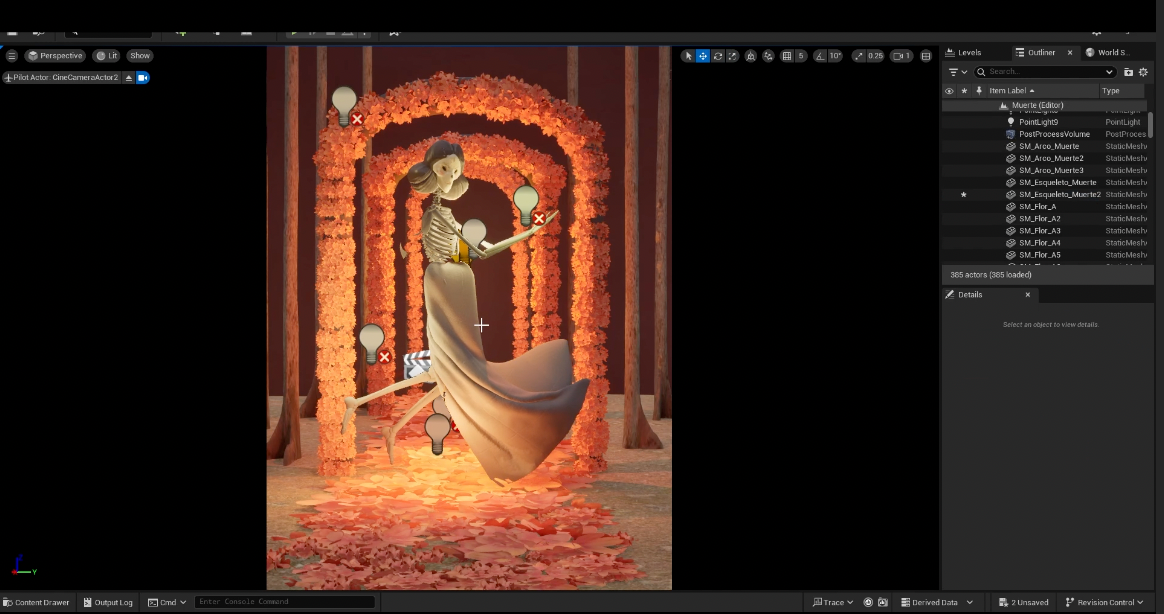
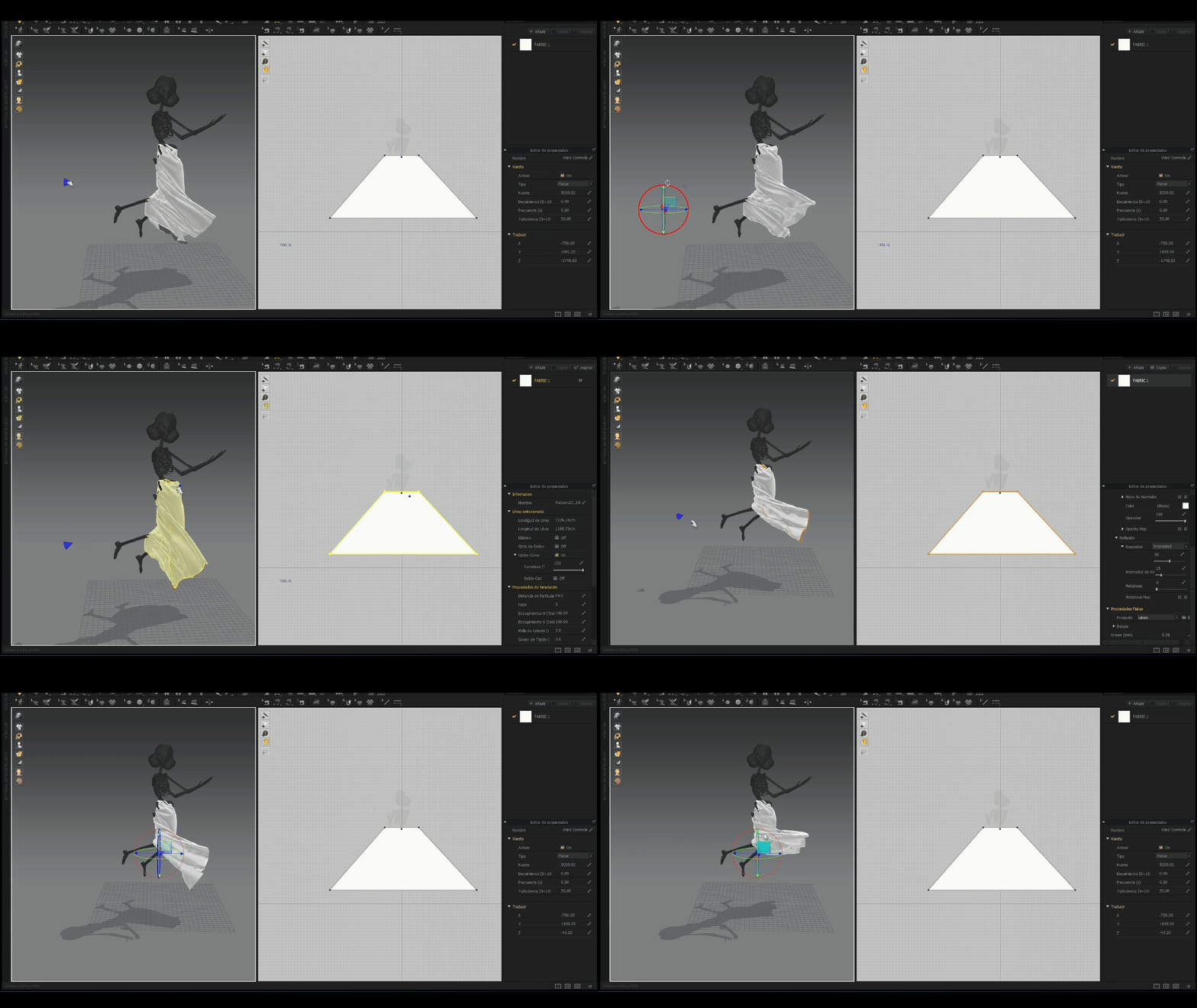
I always plan my compositions in Unreal Engine, which requires a 3D mesh that I can integrate into the software. Marvelous Designer allows me to arrange the fabrics, experiment with wind simulations, and even adjust the type of material, giving me more creative control.
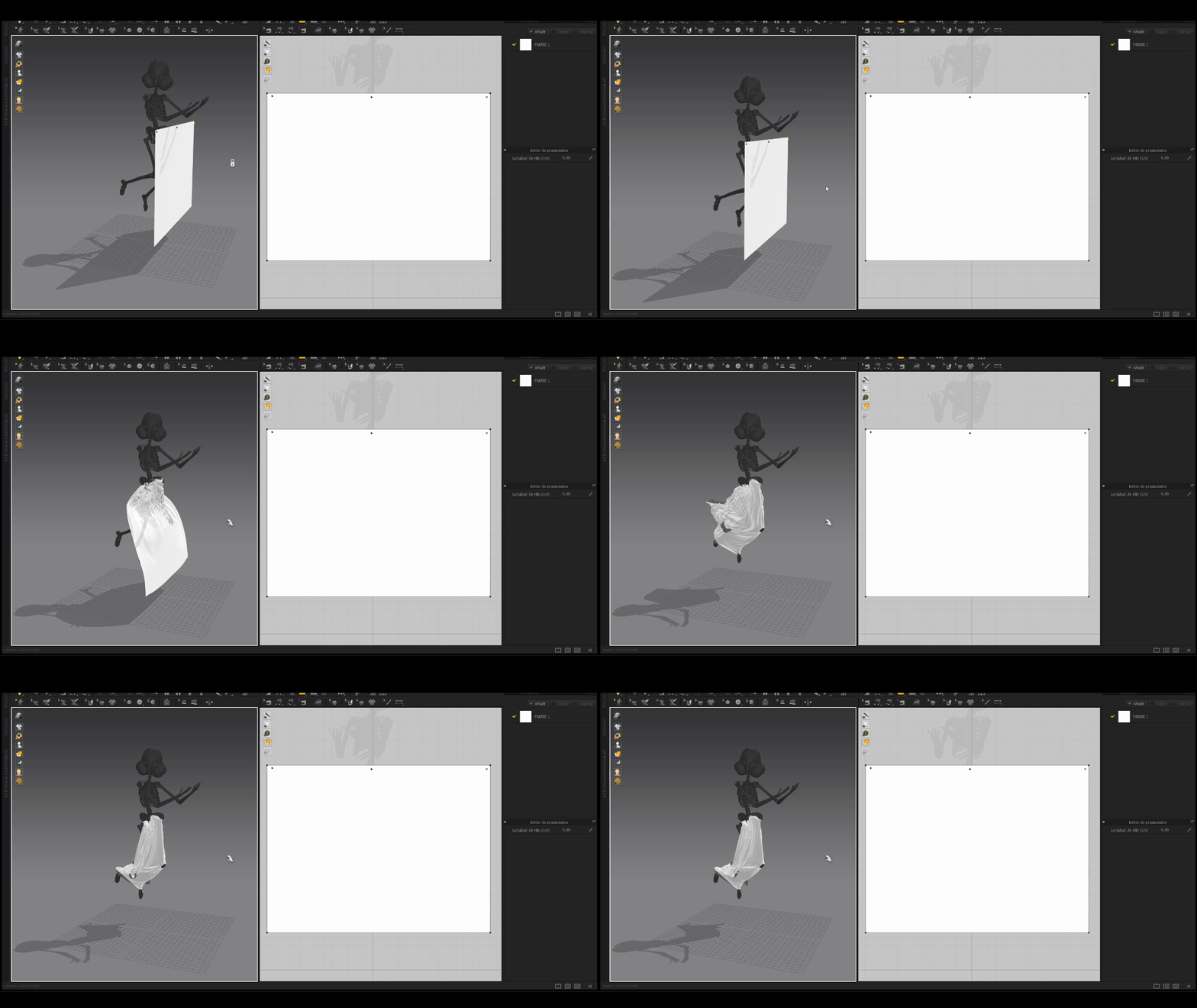
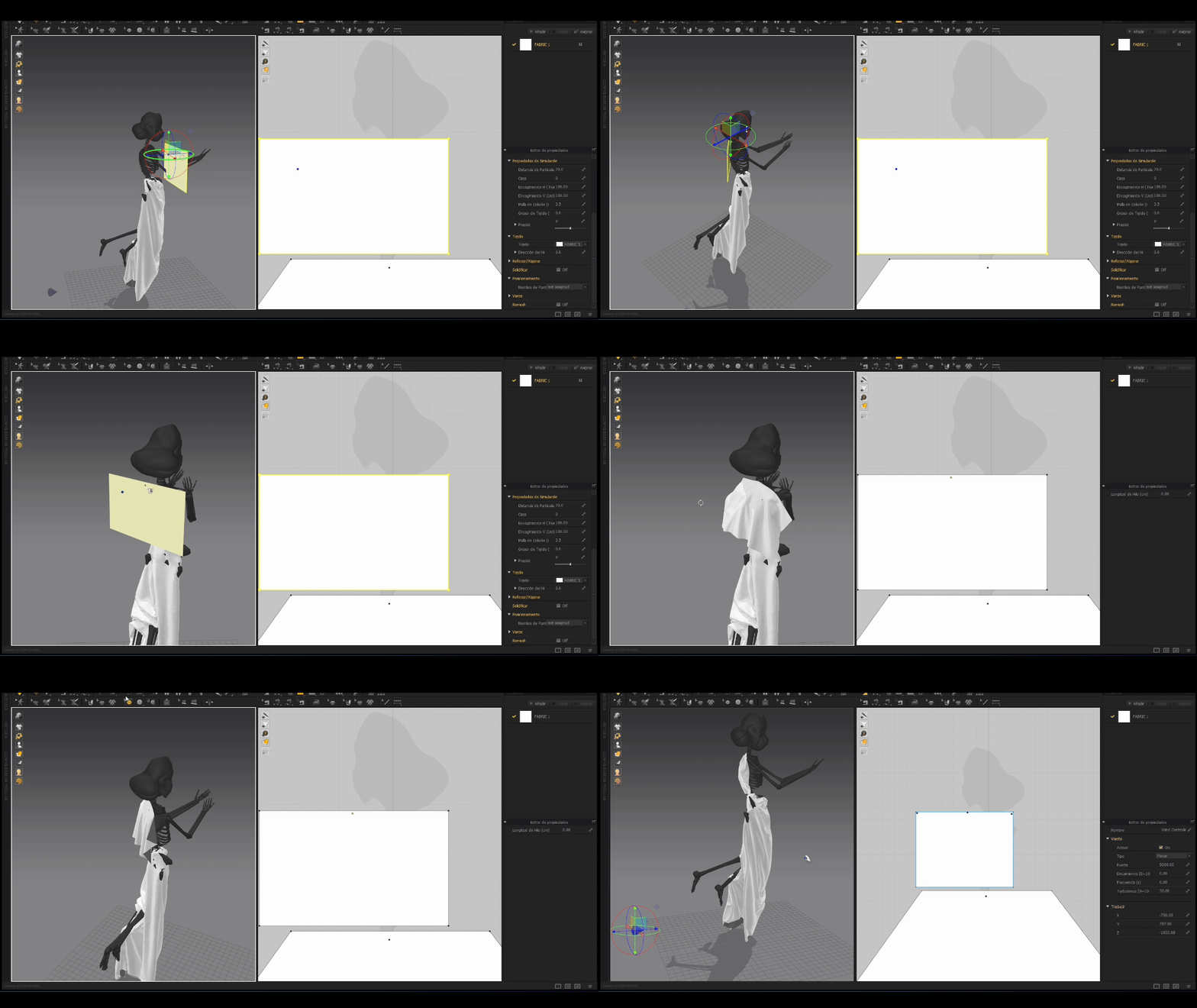
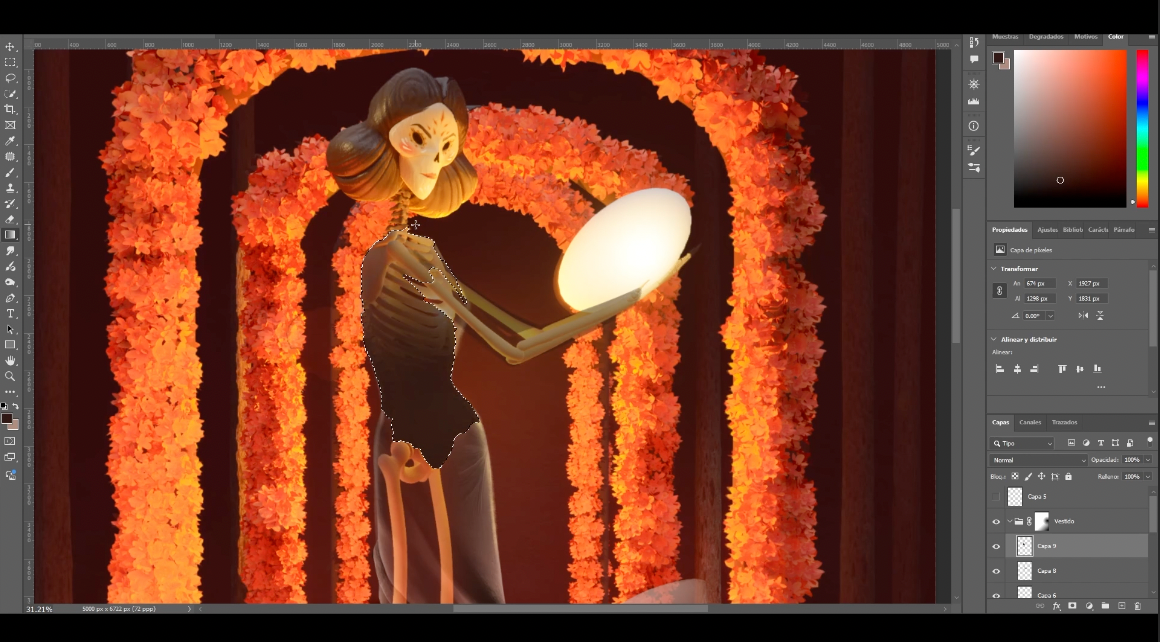
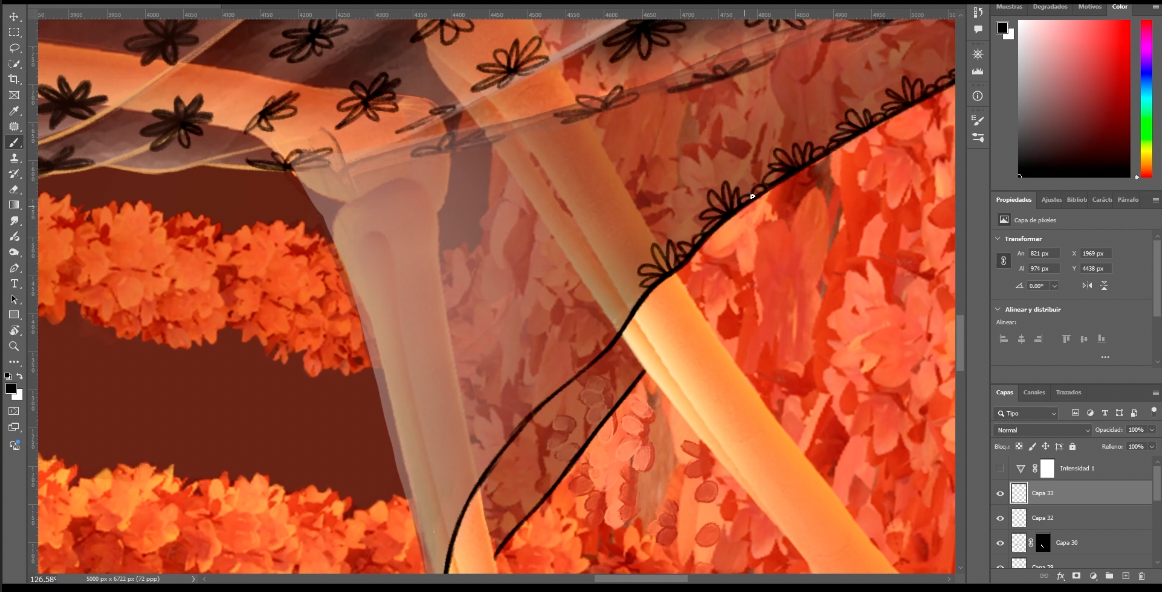
In this particular piece, I wanted the dress to appear as if it were dissolving, so I used wind simulation in Marvelous to achieve the initial effect. Later, when I moved the work into Photoshop, I refined the illustration by gradually disintegrating the dress using masks.
Could you describe your process for creating this element inside Marvelous Designer?
Previously, I worked as a character artist, and as many know, in that field fabrics needed to be perfectly clean and functional so that the character could later be textured and prepared for production.
Now that I focus on illustration, I feel I have much more creative freedom. I can place and pose the fabrics, add objects so they adapt to very specific positions, and really experiment.
That’s exactly what I did for this piece: I used wind simulation and manually adjusted the fabric until the folds appeared exactly where I wanted them to enhance the composition.
What were the biggest challenges you faced, and how did you overcome them?
The most challenging part was controlling the level of detail in order to guide the viewer’s eye. I carefully arranged the fabric folds so they would work as visual guides leading toward the baby.
Another challenge was figuring out how the dress would dissolve, but I ultimately resolved that within the final composition.
Are there any particular features in Marvelous Designer that you find indispensable for bringing your surreal and highly detailed character concepts to life?
The wind, being able to pose the fabric in real time, and pins are my best friends in this process.
Could you give us an overview of your entire workflow for this piece?
How does your work in Marvelous Designer integrate with the rest of your 3D/2D pipeline?
My characters usually require a large amount of fabric, and over time fabric has become the true protagonist of my work. I often design them with heavy robes that cover their bodies, and having precise control over how the garments are posed is essential for me.
In my process, fabric plays a key role in guiding the viewer’s eye, so I need to direct it exactly where I want the audience to focus.
This is why Marvelous Designer is more useful for me than other software, such as ZBrush, where I cannot preview results as quickly or make detailed adjustments to folds and wrinkles with the same efficiency.
What advice would you give to other artists who want to use Marvelous Designer not just for realistic clothing, but for creating fantastical and symbolic garments like the one in your piece?
When illustrating, it’s crucial to have a clear vision of what you want to communicate with every element in the scene.
If you are using Marvelous Designer to pose clothing, don’t think of the garments as just clothing, they can also guide the viewer’s eye and help describe your characters.
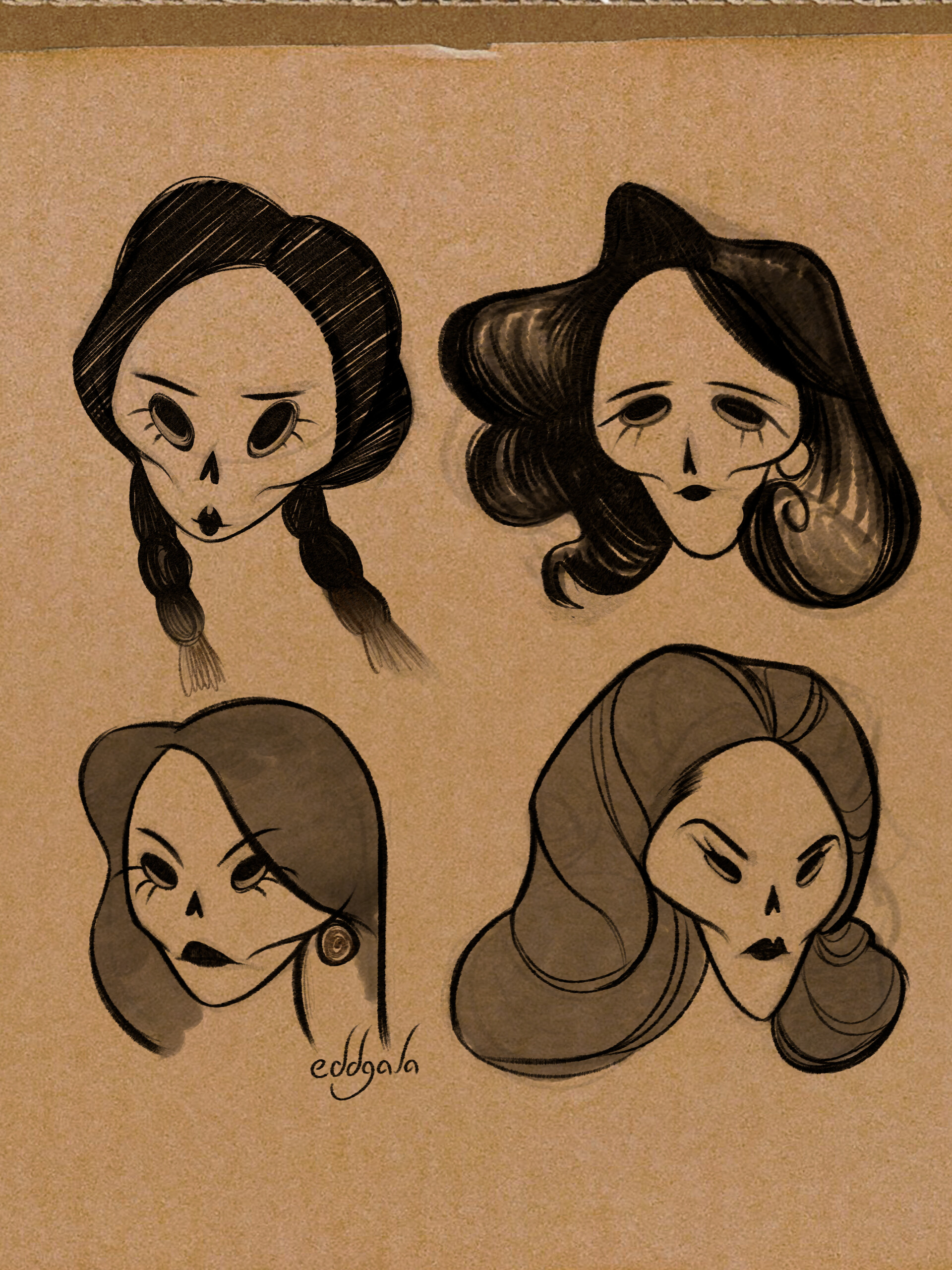
That’s why it’s important to start with a sketch, marking the points where you want to direct attention, and then design the clothing based on that sketch.
How would you describe your overall experience using Marvelous Designer?
The software is very nice and intuitive; it's my favorite part of pre-production composition.
이 작업은 Photoshop, ZBrush, UnrealEngine, Substance, CharacterArt 등의 기술로 제작되었습니다.
Marvelous Designer로 이와 같은 3D 의상·캐릭터 작업을 직접 만들어볼 수 있습니다.