MARVELOUS DESIGNER IN CFX
Explore Diego Conte's creative journey behind The Witness for Love, Death & Robots and the Oscar-winning short film The Windshield Wiper!
Interview with Diego Conte Peralta | CFX Artist
Could you tell us a bit about yourself?
Hi! My name is Diego Conte, and I'm a CFX artist and 3D generalist working from Madrid, Spain. Because of my interest in computer graphics, I always wanted to work on the entertainment industry, which I'm happy to have been doing for the last 8 years.
Which projects would you like to showcase today?
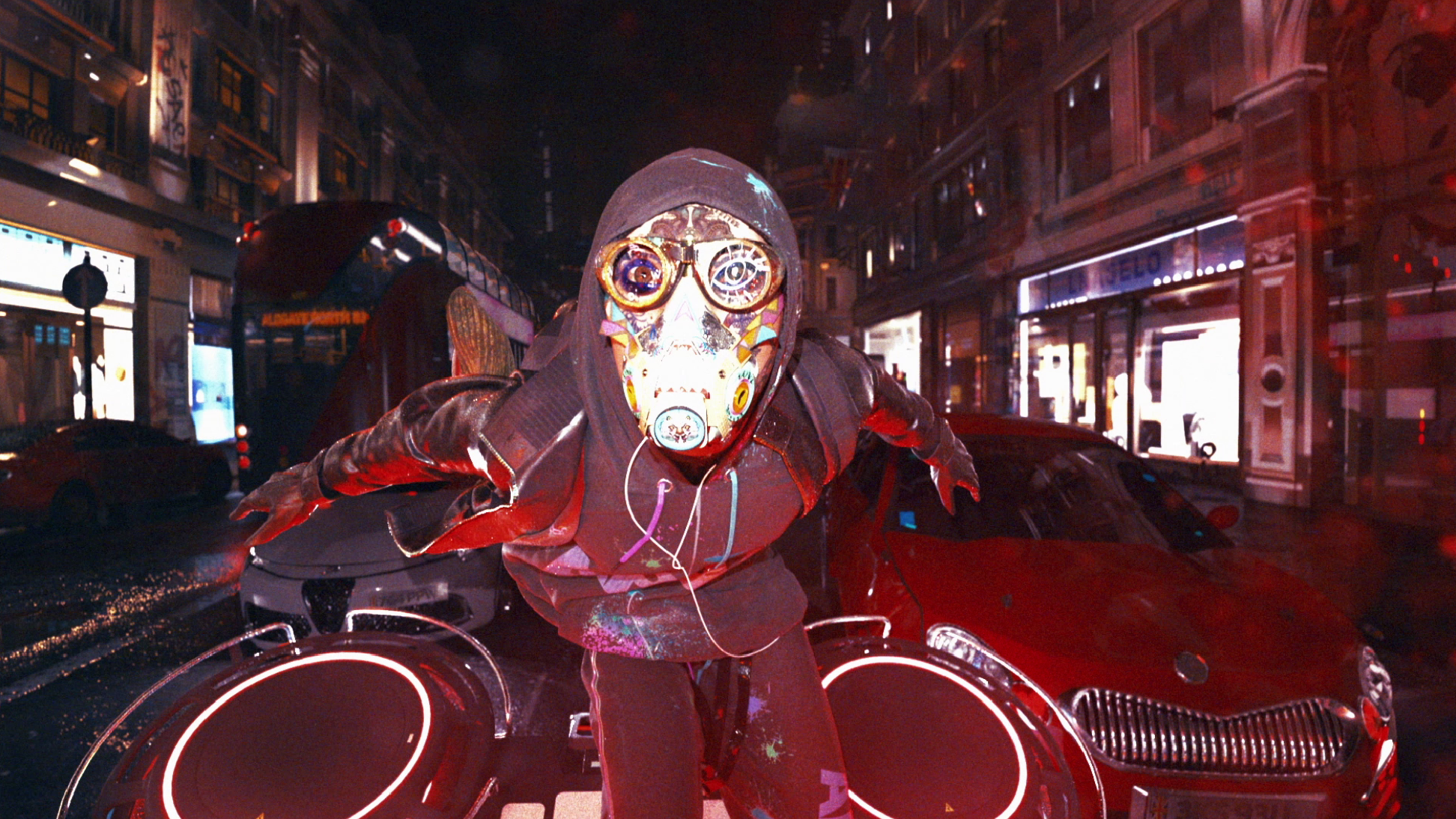
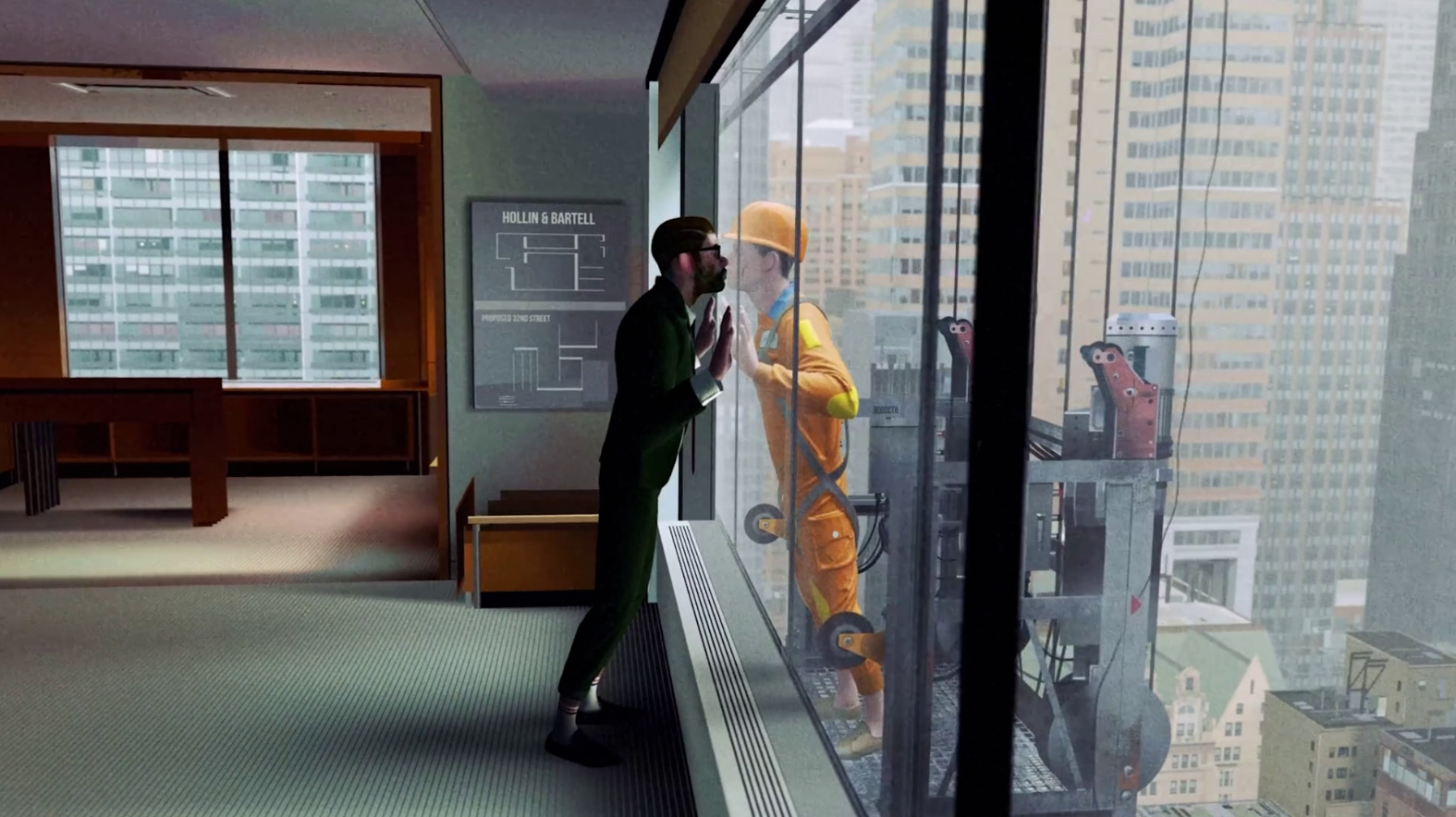
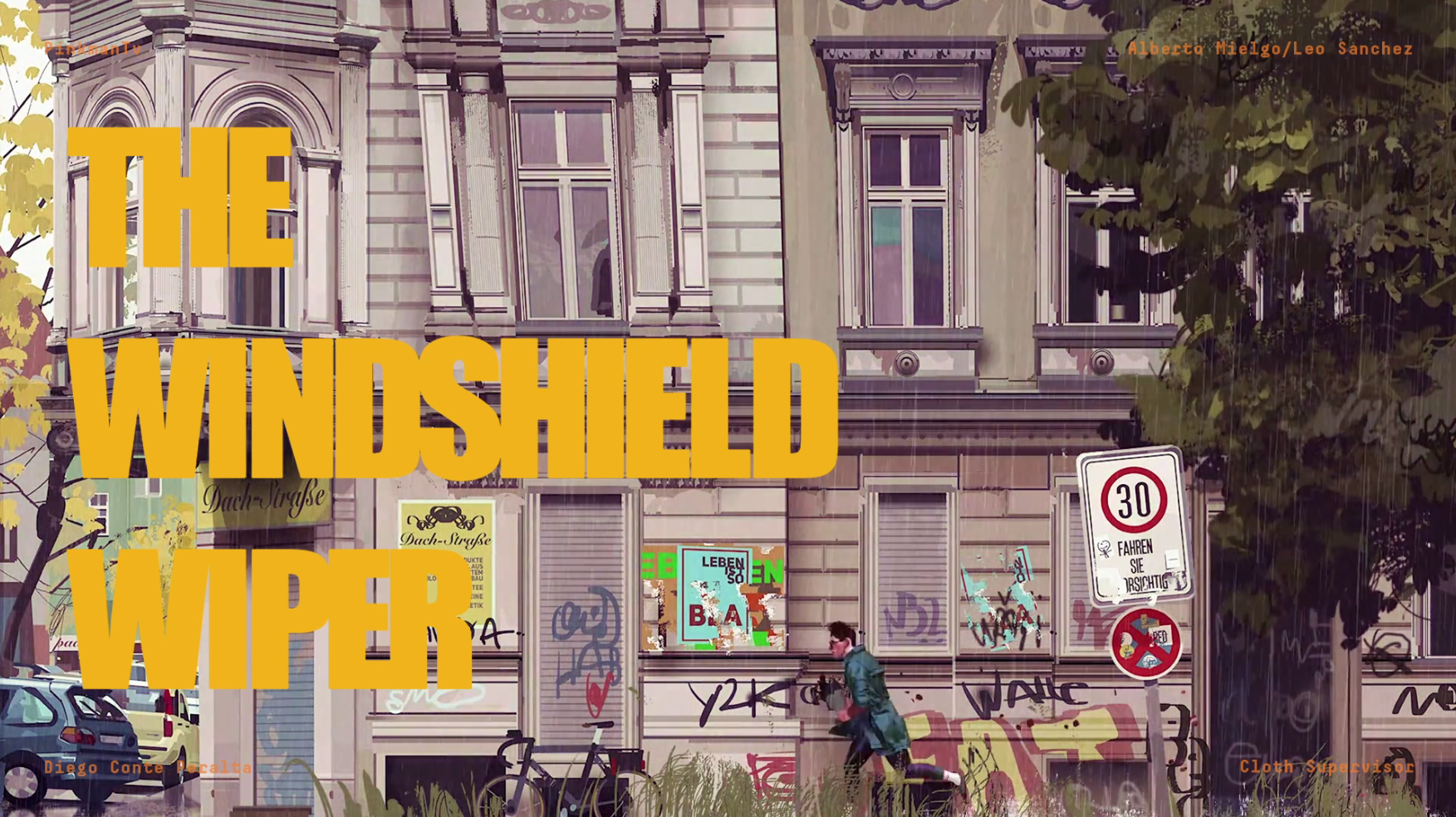
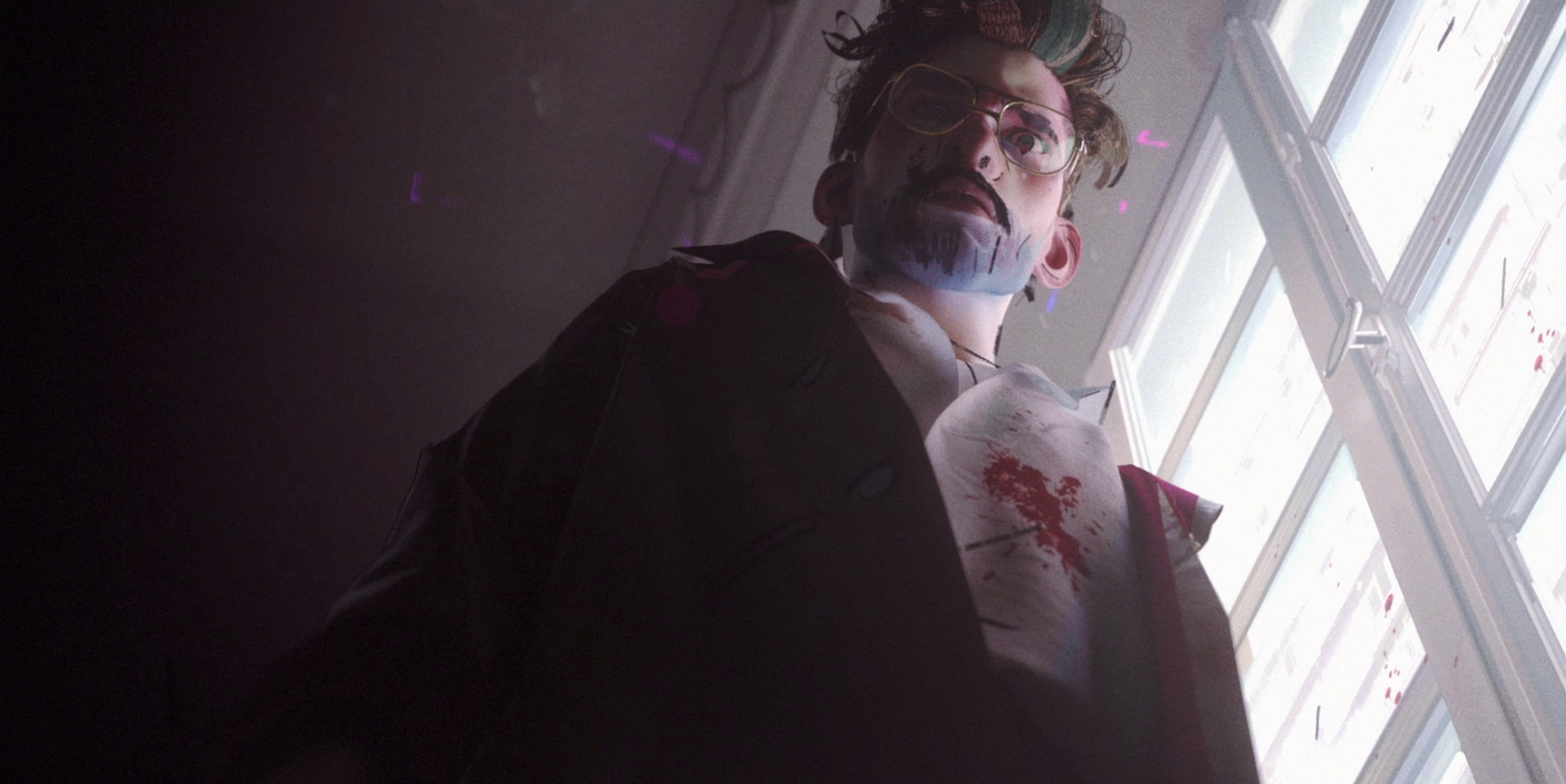
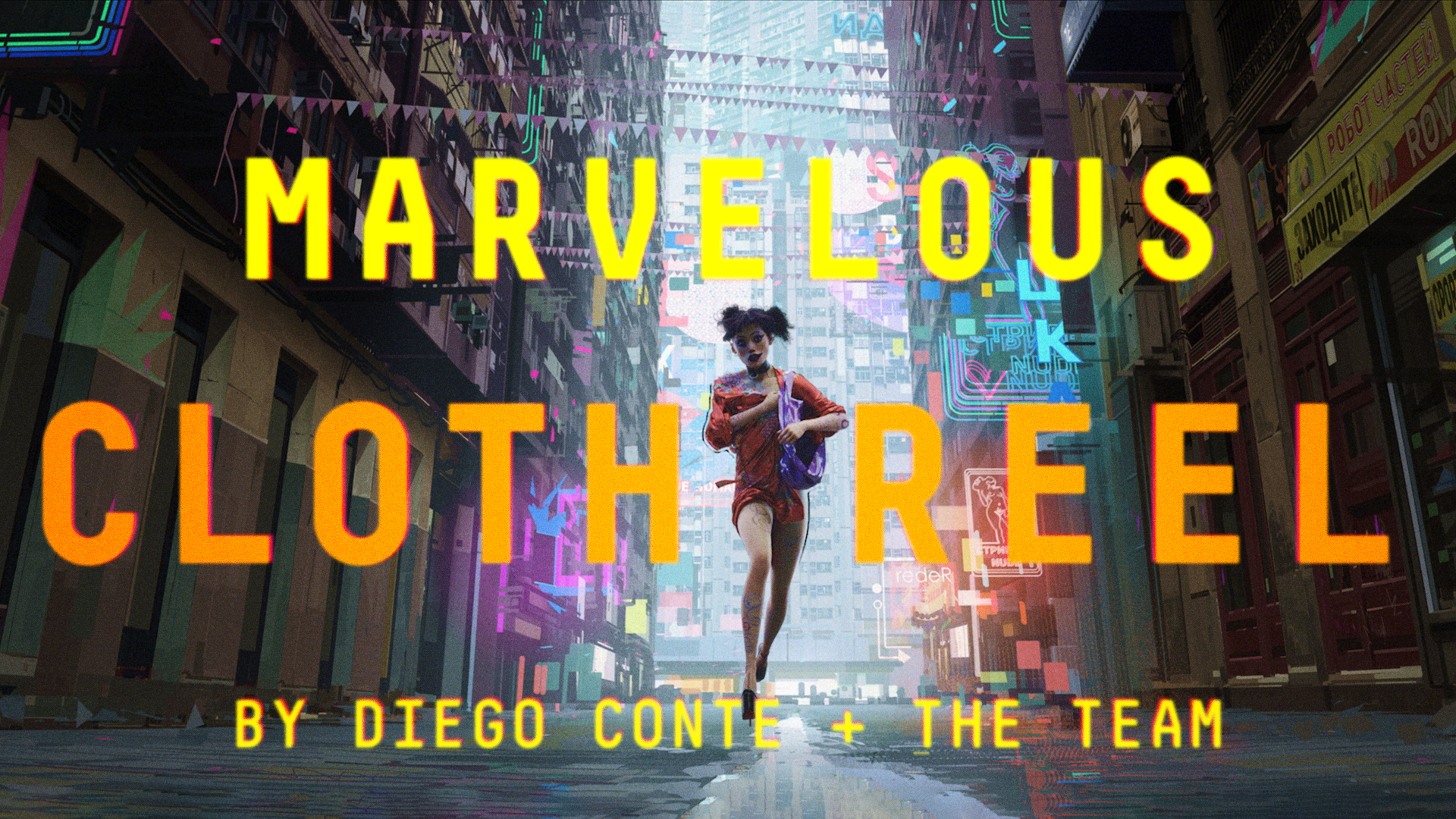
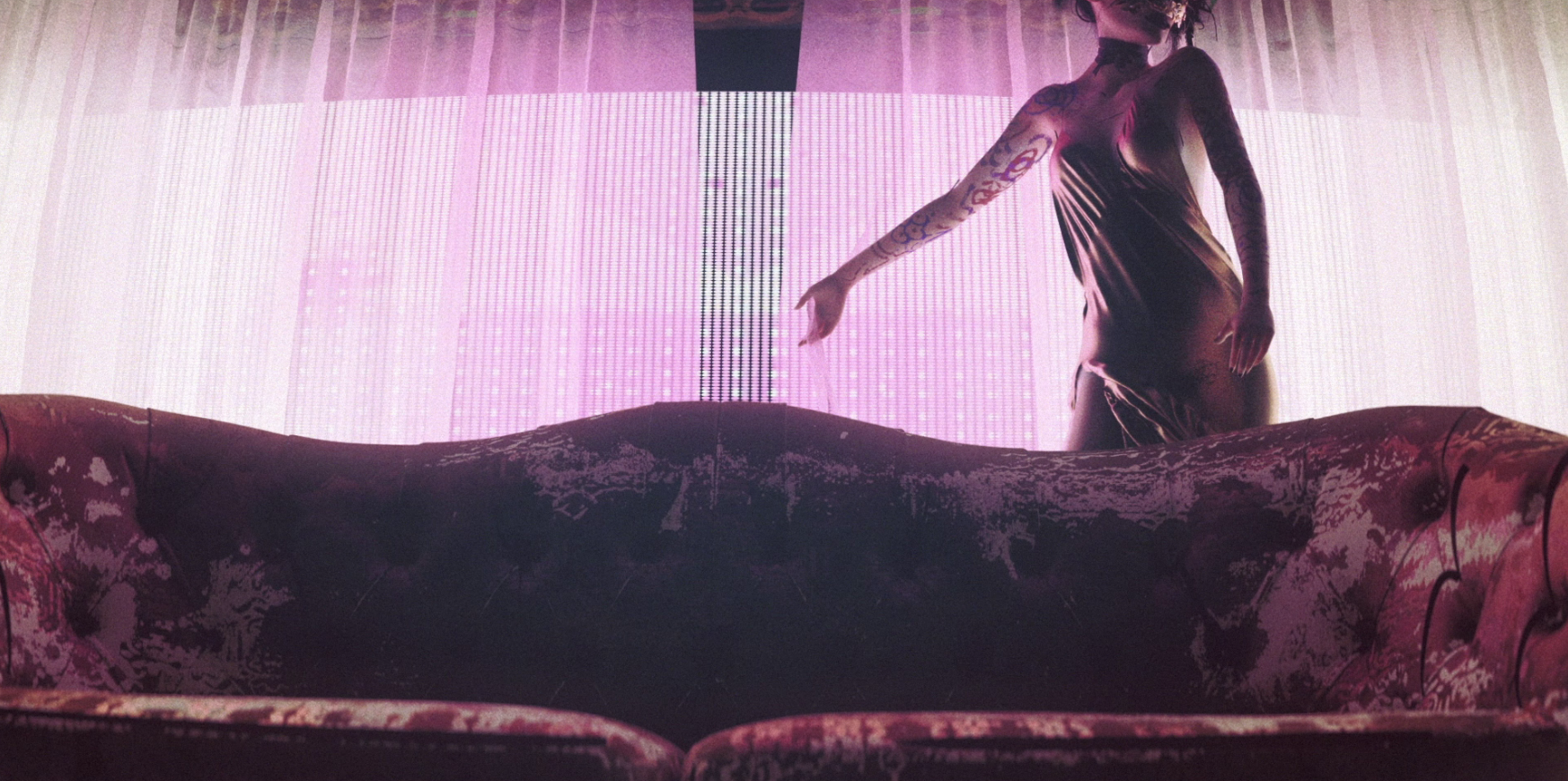
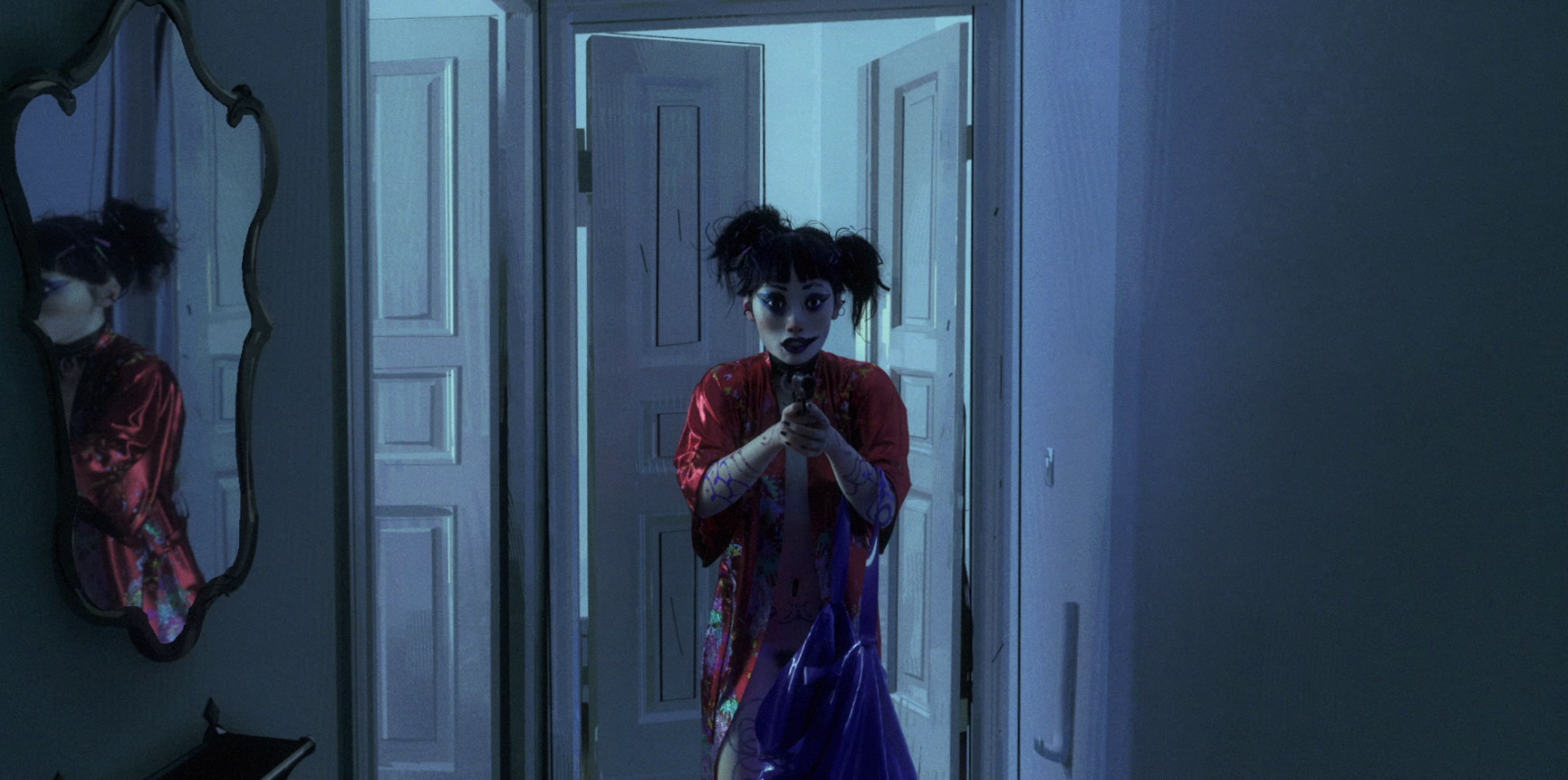
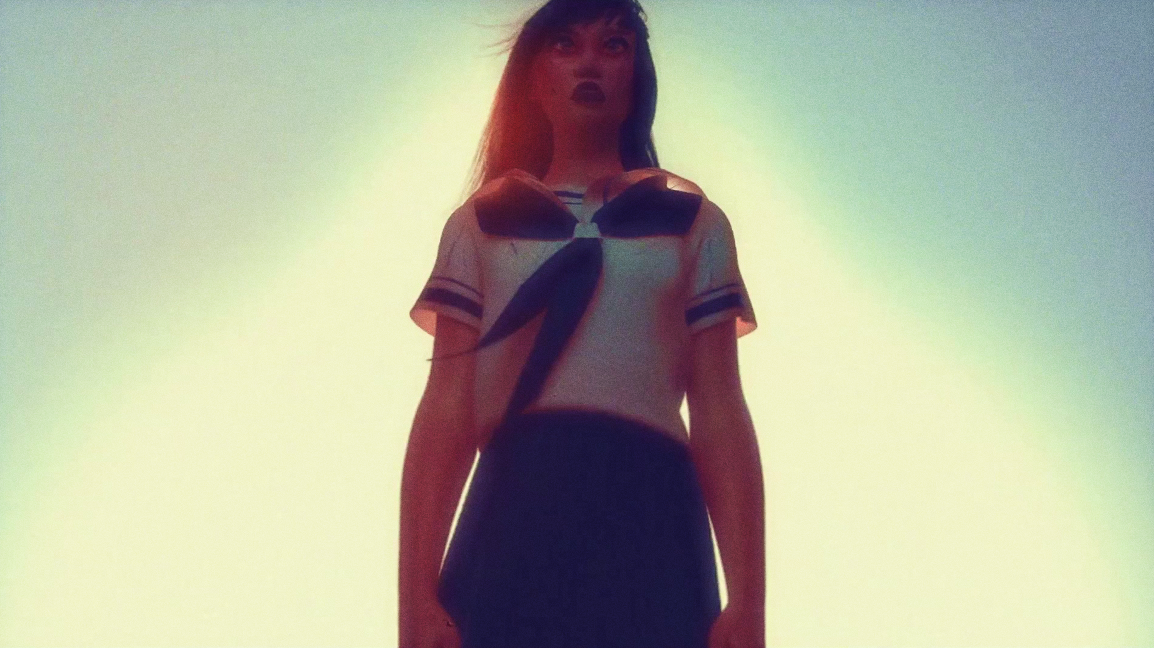
I would say the most relevant projects are to this day all the short films I worked on for the incredible Spanish director Alberto Mielgo, including “The Witness” for Love Death and Robots and “The Windshield Wiper” (Academy award winner for best animated short film). His vision is still inspiring me today to keep pushing the boundaries of what cloth simulations can achieve in animation, and the part they can play as storytelling devices.
What led you to choose Marvelous Designer, and how did it support your artistic vision?
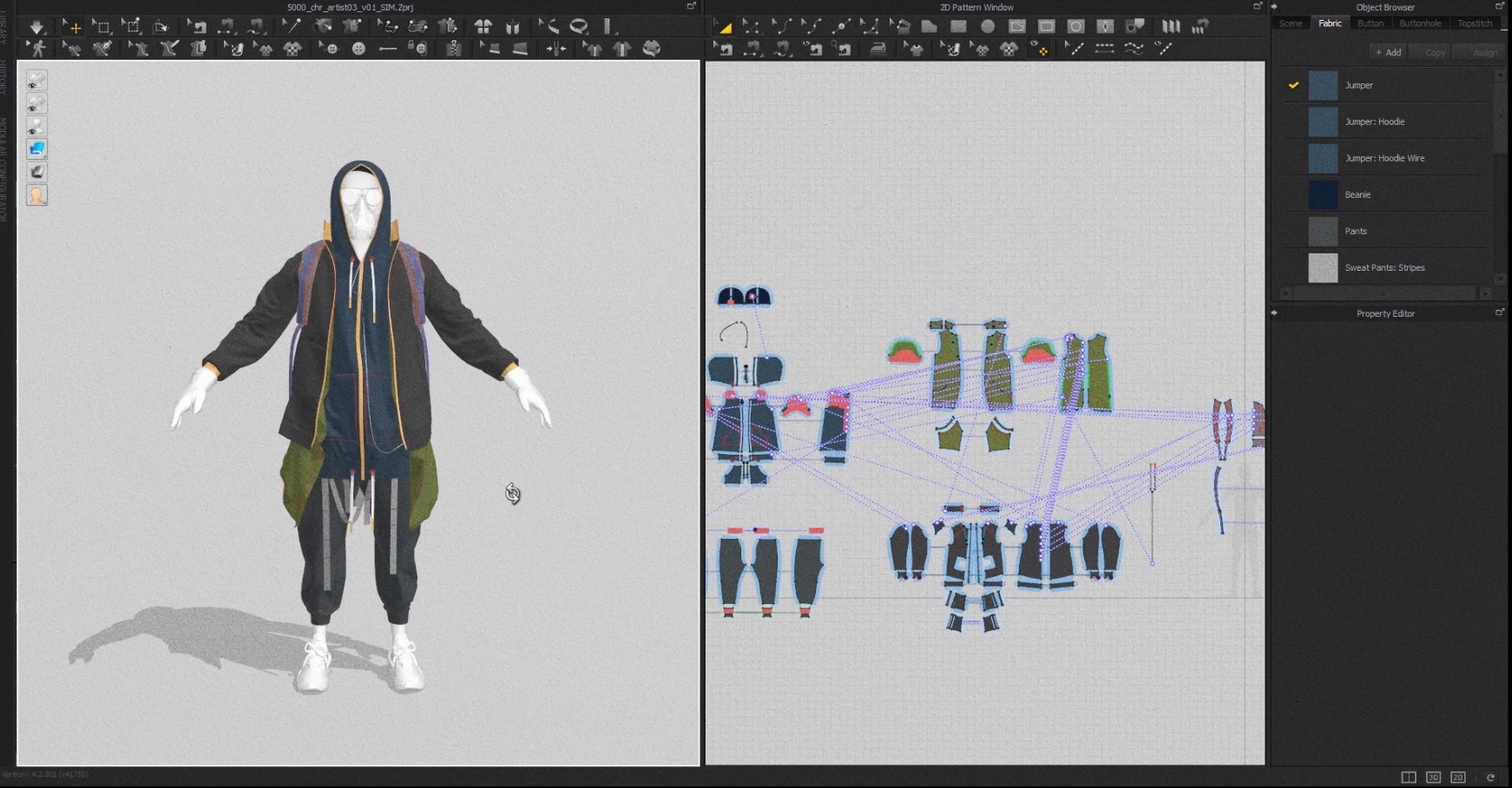
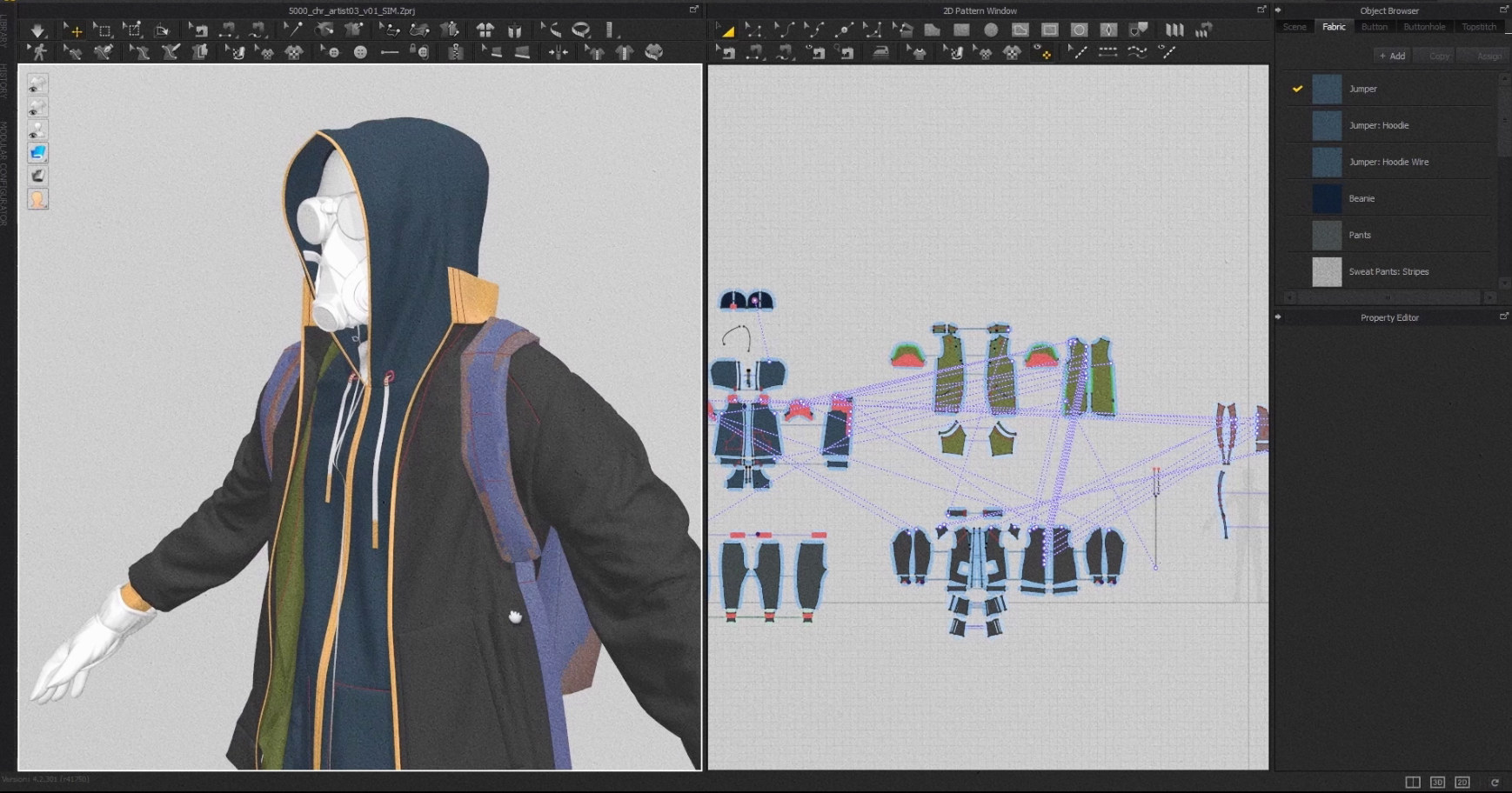
I came upon Marvelous Designer back in 2018 through my mentor at the time, Ash Thorp, who was using it in all sorts of fun and experimental ways for Motion Graphics. I picked it up, and was hooked from the start by the interactive and real time nature of the software. There is nothing like it really, the way you are directly interacting with the garments makes you forget at times that you are in front of a computer. How it supports my artistic vision is actually very tied to this interactive and realistic nature of the software. The fact that you are manipulating cloth as a tailor would do in real life means there is an added layer of naturalism to the results that can not really be achieved in any other software. And the interactivity means that there are also lots of possibilities for artistic expression that are just not easily available in traditional simulation tools.
Can you briefly walk us through the different tools you incorporate in your workflow?
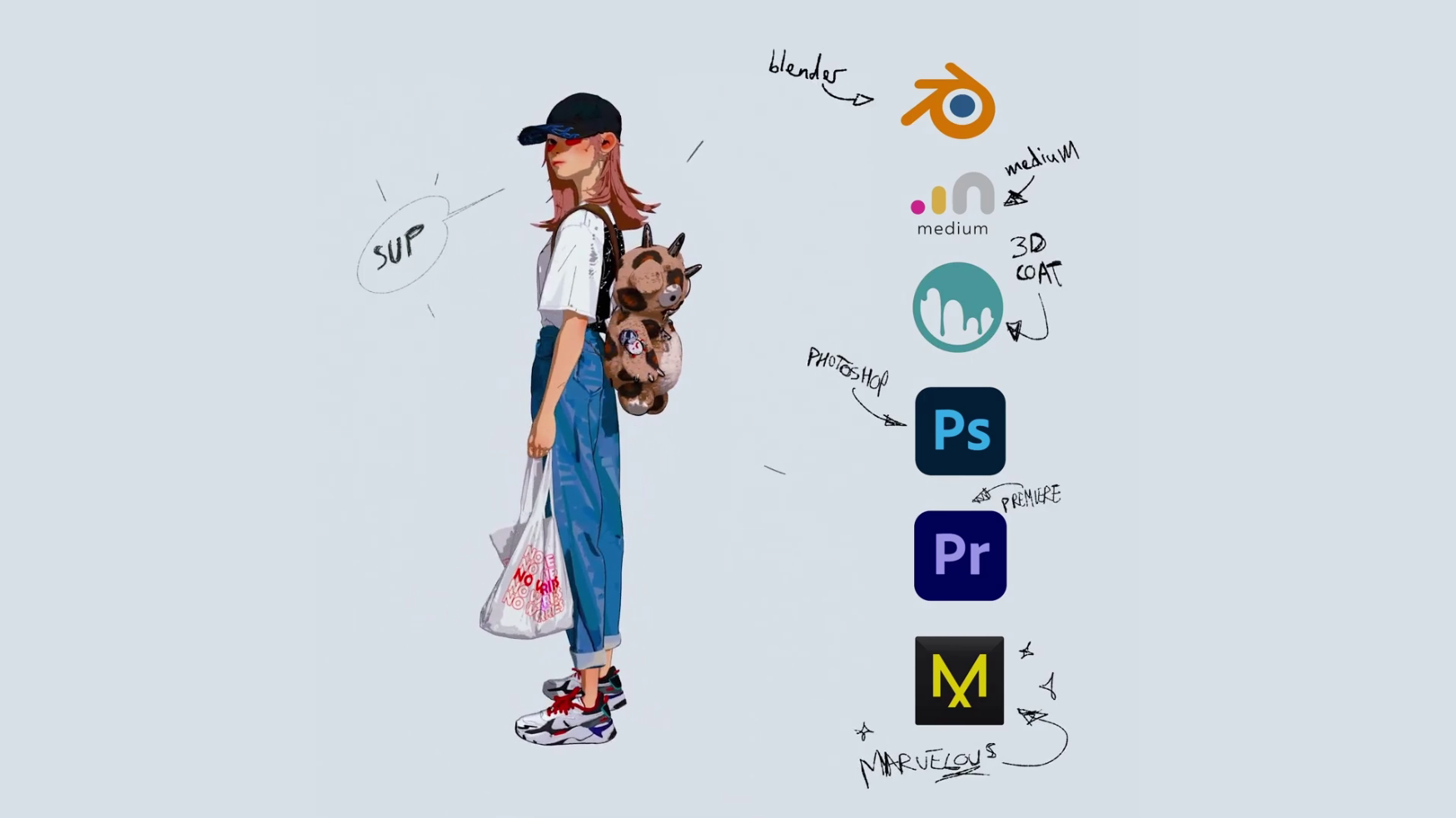
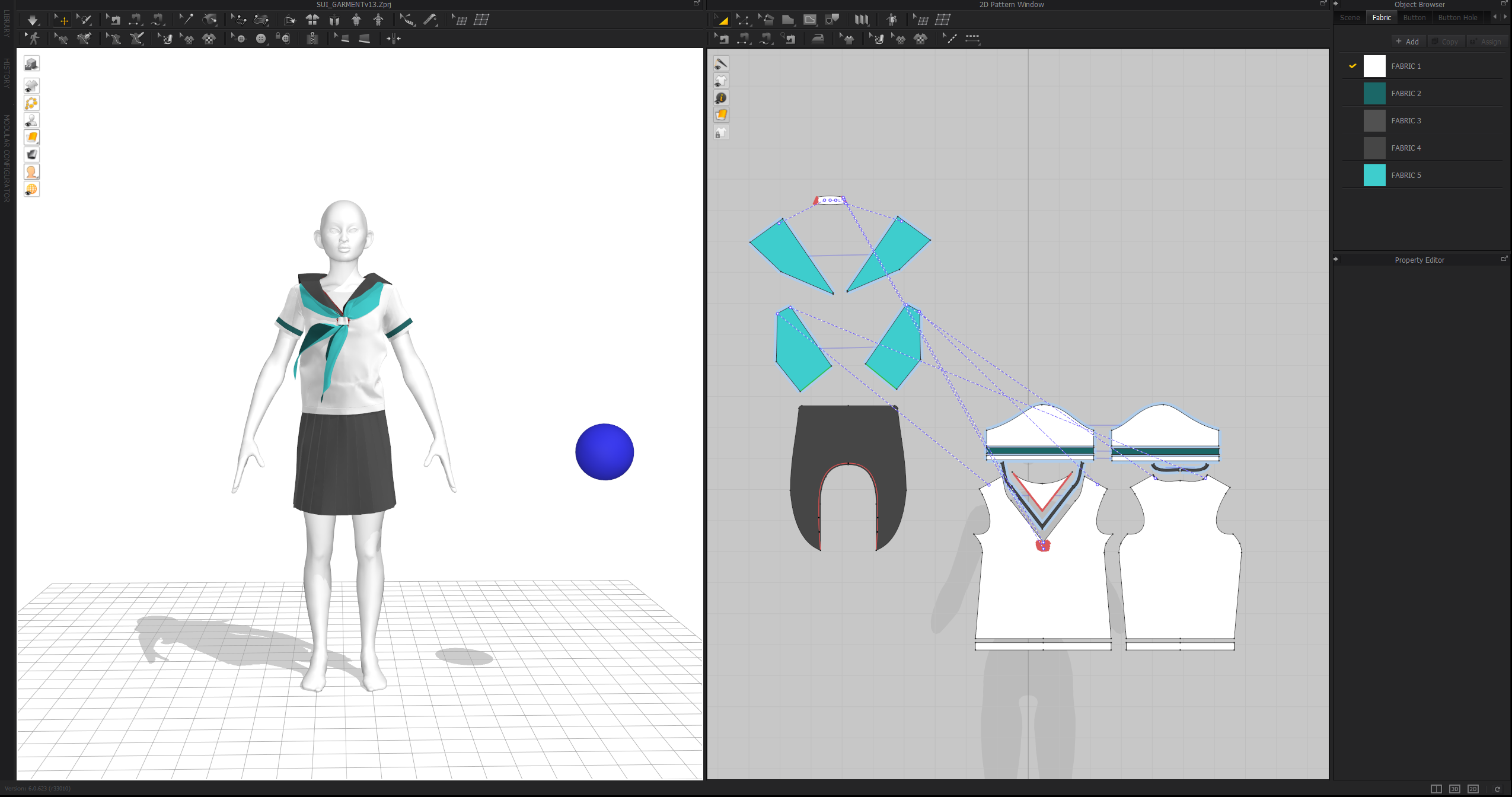
It has evolved quite a bit through the years! The main two areas of Marvelous I'm most familiar with are the pattern-making tools and simulation. I kept things fairly simple on the pattern making front on the first projects, and even now I keep things to just a few tools: drawing, sewing, tacks, pins, and sometimes creative use of internal lines to fold or art direct the patterns better.
What would you consider your most standout project where Marvelous Designer played a key role?
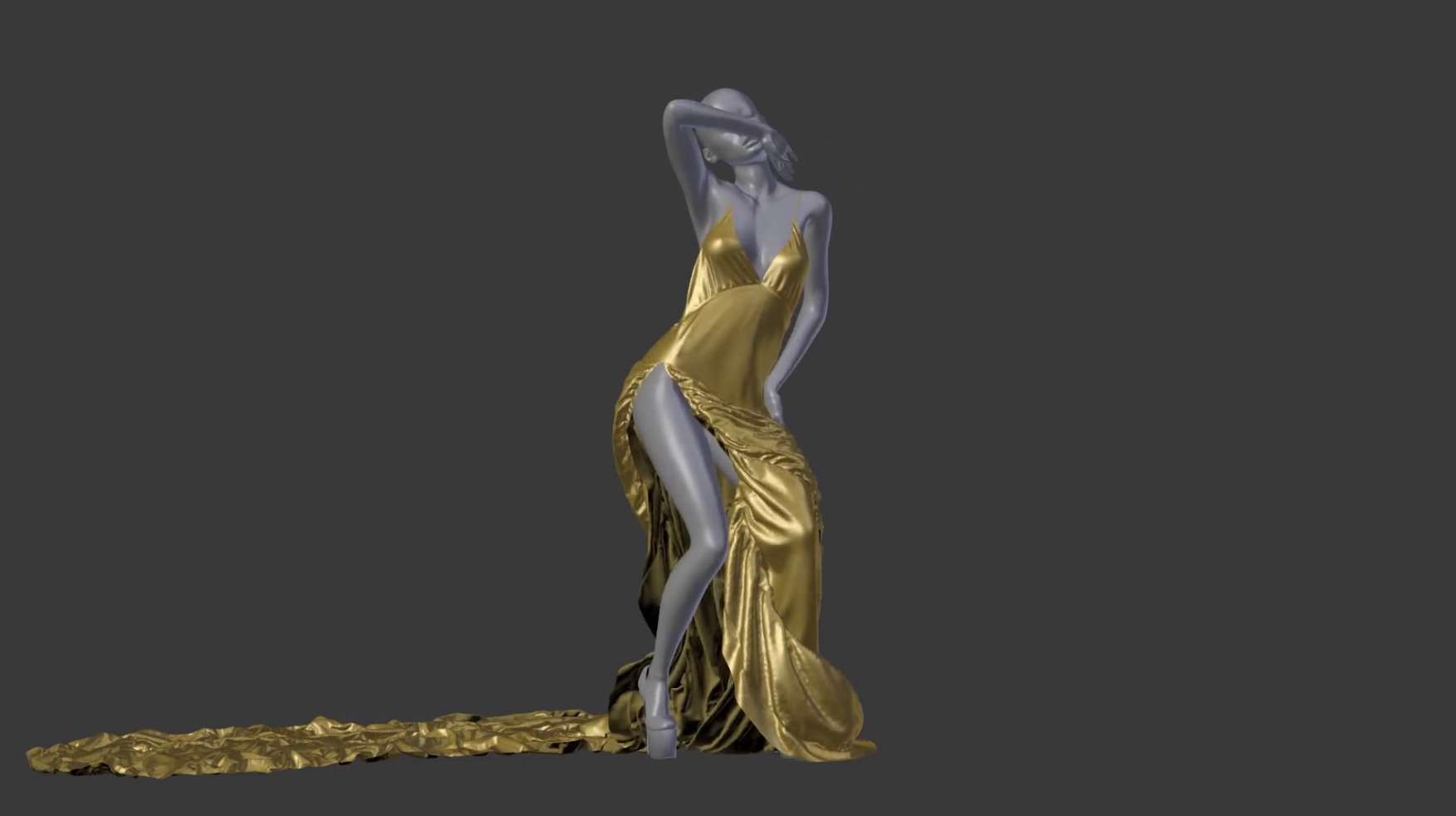
I think "The Witness" is still the most iconic project I've worked on. The patterns for all garments had been created by Paloma Alperi by the time I arrived at the project, and so my task was to see if we could get something better from Marvelous Designer than the results they were getting simulating in Maya. The tests were very successful, so much so that, after I designed a custom workflow to implement Marvelous with the rest of the tools in the pipeline, we ended up simulating all garments for the show with Marvelous only, and I was lucky to supervise the cloth simulation team. I believe at the time it was the biggest production using Marvelous for all CFX shots, and its is probably still in the top of that list.
Are there any upcoming projects where you plan to use Marvelous Designer?
Of course! I will always advocate for integrating Marvelous Designer in any pipeline, big or small. Big projects require automation, but even when using other tools for simulation I believe the quality will always be higher when simulating a Marvelous designer garment compared to a traditional poly-modeling one. And for small projects, if it's possible to simulate in Marvelous designer, I'll always push for that first, as it is the most direct way to move forward
What advice would you offer to other artists utilizing Marvelous Designer for CFX work?
I have three important pieces of advice.
For artists starting out, thorough research is crucial. Even if you feel well-prepared with reference materials (patterns, drawings, photographs), consider pushing your research further by reading pattern and fashion books, and any other material you can get your hands on.
For those familiar with the software, continue learning and thinking creatively. Marvelous offers numerous techniques and tools, so explore how they can work together. For example, you can use tacks, and you can use pins, but you would be amazed at what can be done when combining the two.
And finally, for professionals, while traditional studio pipelines seem to be set in stone (for good reason), it's important to reconsider how Marvelous could fit into your workflow. Don't be afraid to challenge established methods; this software operates on different paradigms that can lead to innovative solutions. And the overall pipeline will be better for it.
How would you sum up your overall experience with Marvelous Designer?
There is always a thought that its repeated whenever I show anybody a behind the scenes of how Marvelous works, usually along the lines of "well, that looks like fun". And indeed, it is a lot of fun. And turns out you can be quite productive and get really good results when you have fun (or maybe because you are having fun!), which is why I keep going back to this software I love so much.
by Diego Conte Peralta
Behance
이 작업은 Animation, vfx, Entertainment 등의 기술로 제작되었습니다.
Marvelous Designer로 이와 같은 3D 의상·캐릭터 작업을 직접 만들어볼 수 있습니다.