Victoria
INTERVIEW from Winners, 2nd Place in Amateur Category - Hunt: Showdown 3D Apparel Creation Contest.
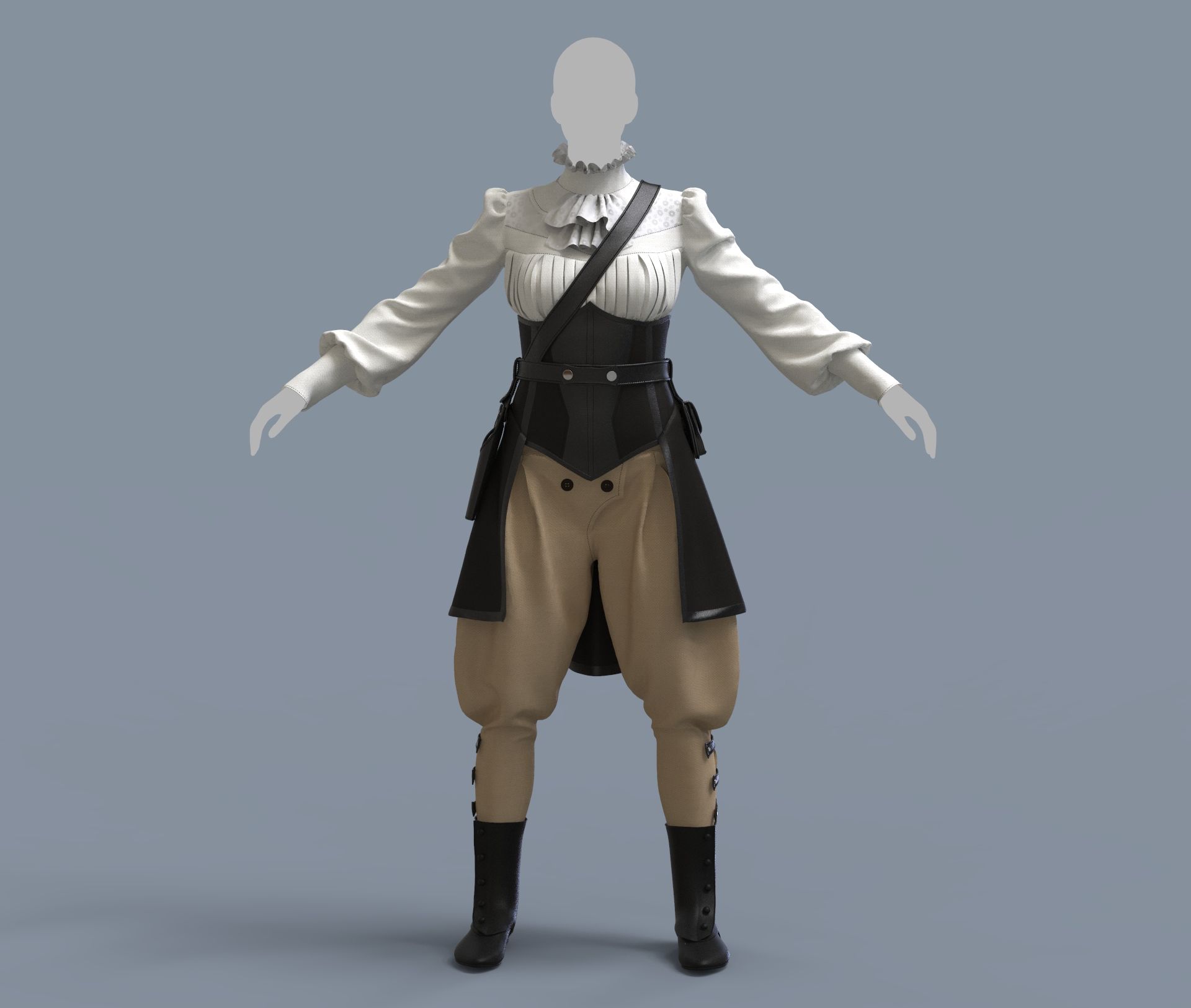
By Ana Zlatkovic - 2nd Place in Amateur Category
1. Where did you get the inspiration of your hunter?
A few months prior to the contest, I had access to a book with beautiful illustrations of the Victorian era fashion depicting lavish dresses of this era. When the contest started, I remembered all those crinolines, corsets, folds and ruffles, and I knew I wanted Victorian elements in my design. With that in mind, I started my research mainly relying on online resources.
2. Could you explain in chronological order what process you went through for the garment creation of your winning work?
I first focused on general research of the Victorian era. My first goal was to learn as much as possible about life in the 19th century, not just the way people dressed, but also what their everyday activities were, how social structure affected their activities and how it defined fashion characteristics of that time.
Then I compiled a collection of reference photos to help me organize and remember all the specific Victorian fashion details.
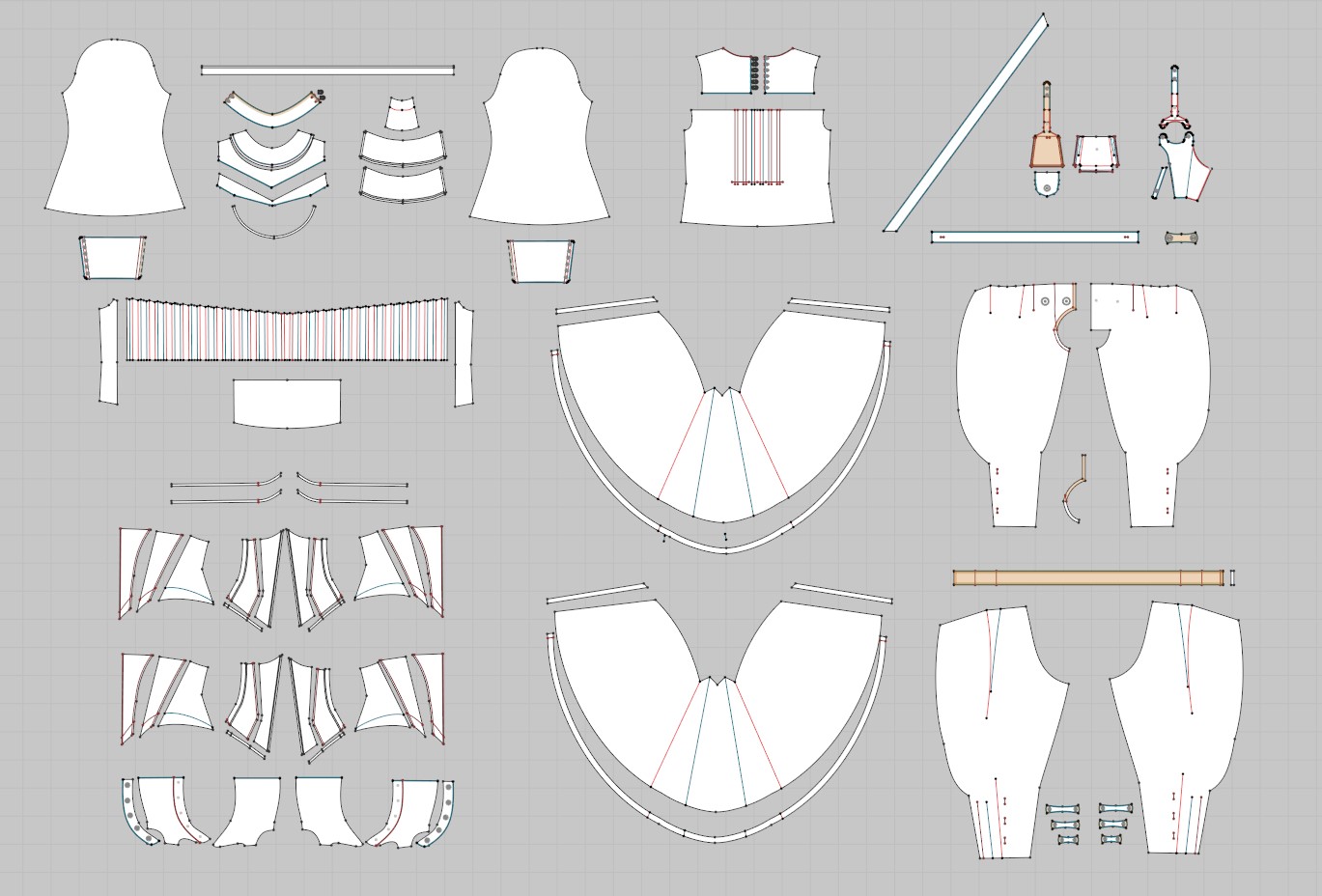
Victorian dresses had multiple layers and a lot of lacy, ruffled details, especially the dresses worn by the upper class members. That is why at this point I needed to decide what fashion elements my garments should include.
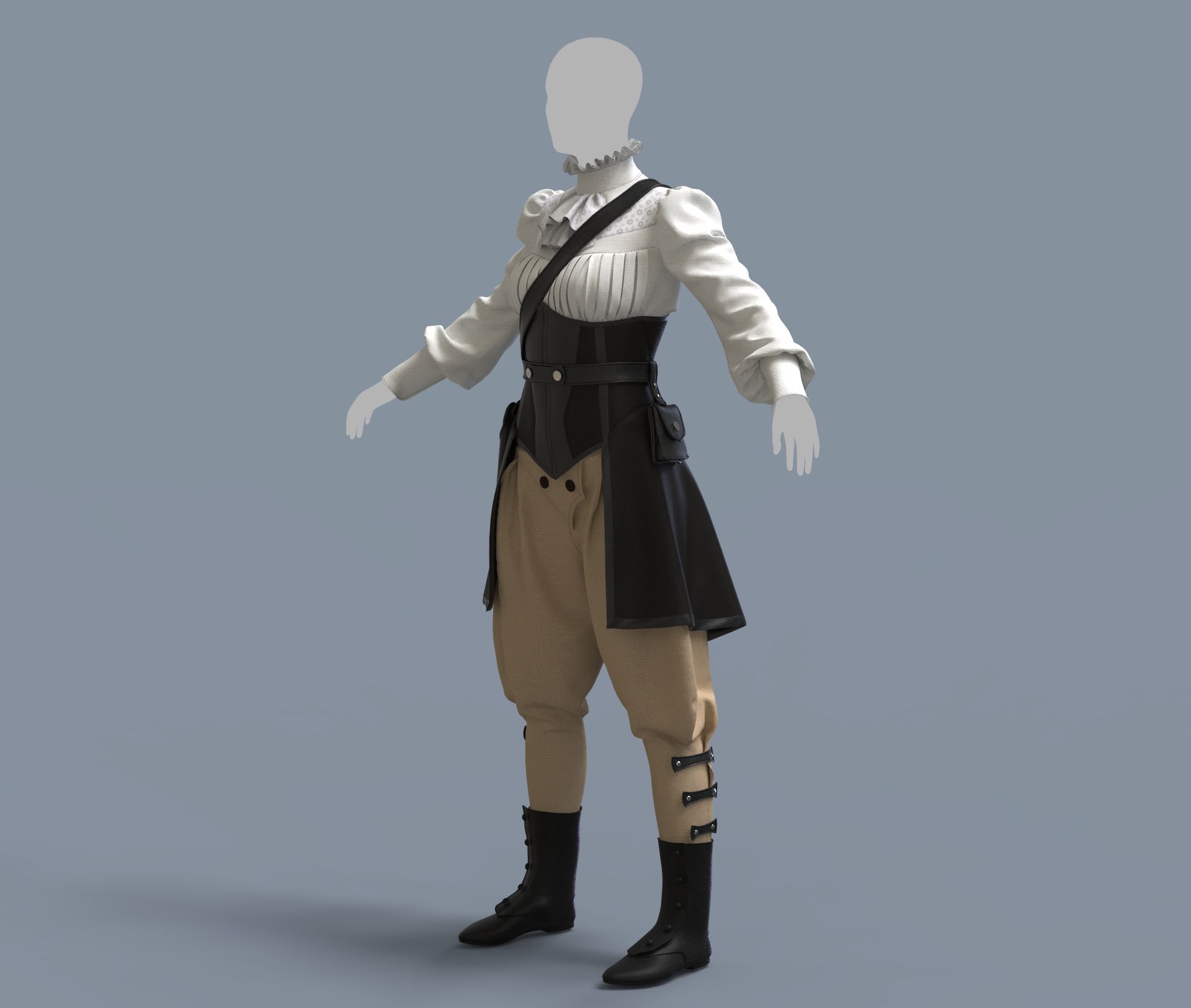
The next step was to find a way to simplify and modernize the design to make it practical. I always kept in mind the fact that my outfit was meant for a hunter who should be able to move easily, to hunt efficiently. That is why I chose to leave out crinoline, long train and heavy draping.
I printed out some of the reference photos and created a collage to help me see what kind of clothing pieces can be nicely combined.
Then I started testing potential parts of my design in Marvelous Designer. I created a few variations of each garment (a blouse with more ruffles, a blouse with less ruffles, wider pants, narrow leg pants, a couple of collar options...) and I started dressing the mannequin and combining different variations of my garments. This is how I filtered garment variations that I liked the most.
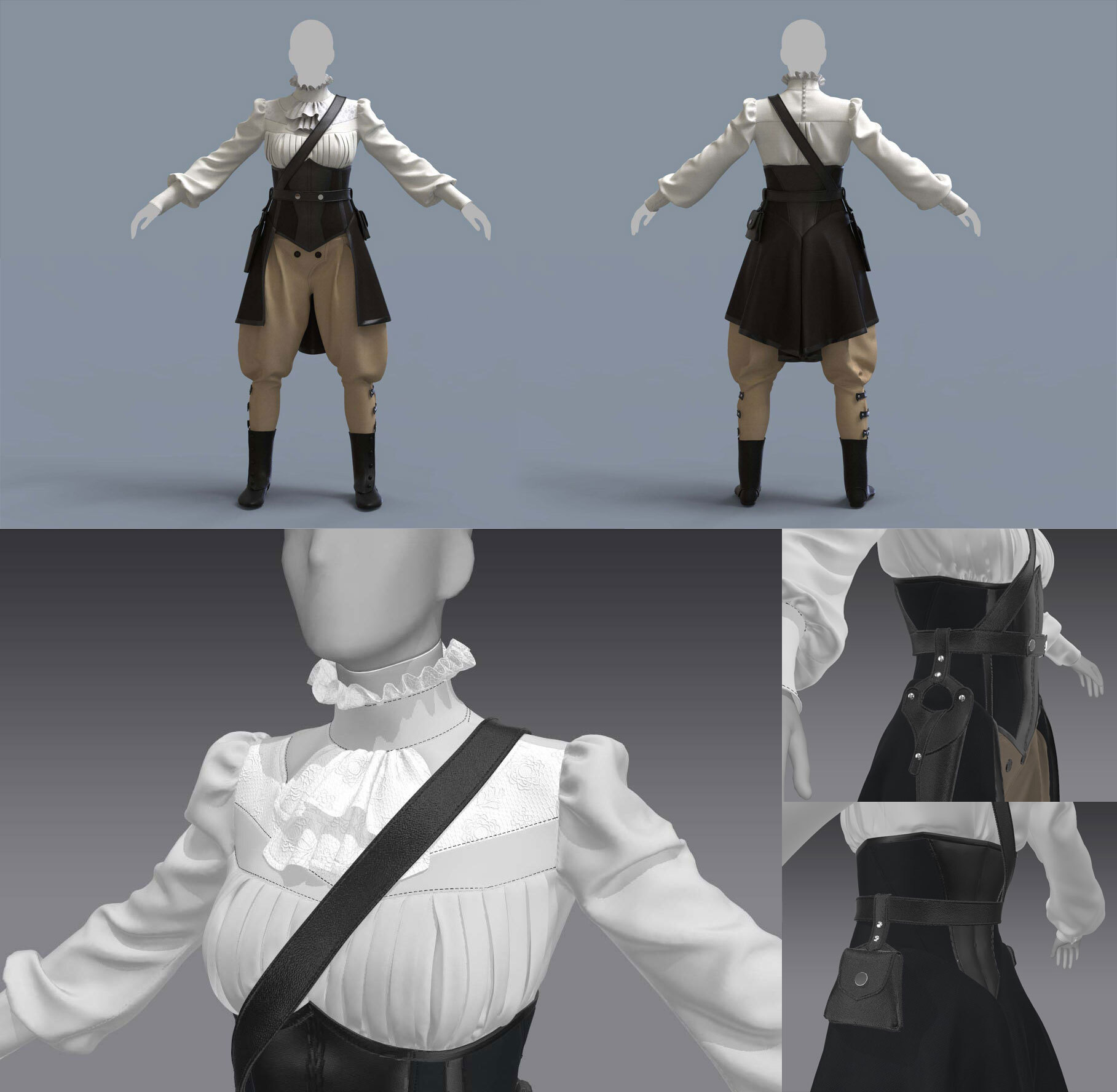
My final design was the product of the elimination process followed by some additional detailing and polishing.
3. What was the most difficult part, and what part did you spend a lot of time on to complete this artwork?
Intricate and luxurious Victorian dresses are pretty and fascinating, but I thought that a clean and simple design was more suitable for a hunter. Deciding which fashion details specific to the Victorian era to exclude from my final design was the most difficult part of the process.
In terms of actual creation of the design, the most difficult and the most time consuming part was to make certain stubborn parts of my garments to simulate properly.
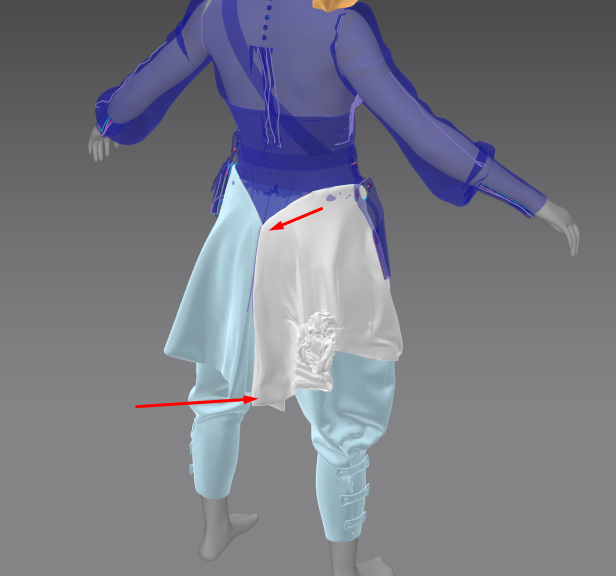
For example, the blouse I made had many small pleats, and all that fabric bunched up in contact with the corset, which made the simulation more difficult.
It required patience and a lot of careful tweaking to get it right. Layering settings and particle distance adjustments definitely helped with that.
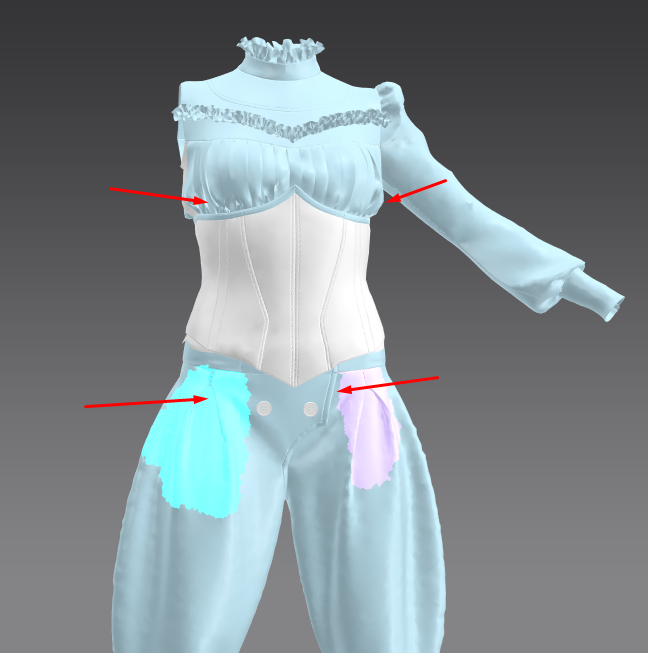
The corset train, which had two layers and a pleat along the center back line, also required a few attempts to simulate well.
4. What are the strong points that Marvelous Designer has?
Marvelous Designer enables easy and fast design testing. Even when I am working with a pattern that is not completely accurate, fast simulation shows me right away whether I am on the right track, and I can quickly spot the parts of the design I want to improve or eliminate.
Also, thanks to its numerous functionalities and settings it is possible to achieve a very detailed result without help from any other software.
Thanks for the interview and your amazing work, Ana Zlatkovic!
Link to Artstation
이 작업은 Keyshot, Contest, Pattern, CharacterArt 등의 기술로 제작되었습니다.
Marvelous Designer로 이와 같은 3D 의상·캐릭터 작업을 직접 만들어볼 수 있습니다.