Cyber Folklore
Explore Cyber Folklore with Zhiyan Cai, where tradition meets technology. Discover how Asian folklore is reimagined through 3D art and cyberpunk aesthetics.
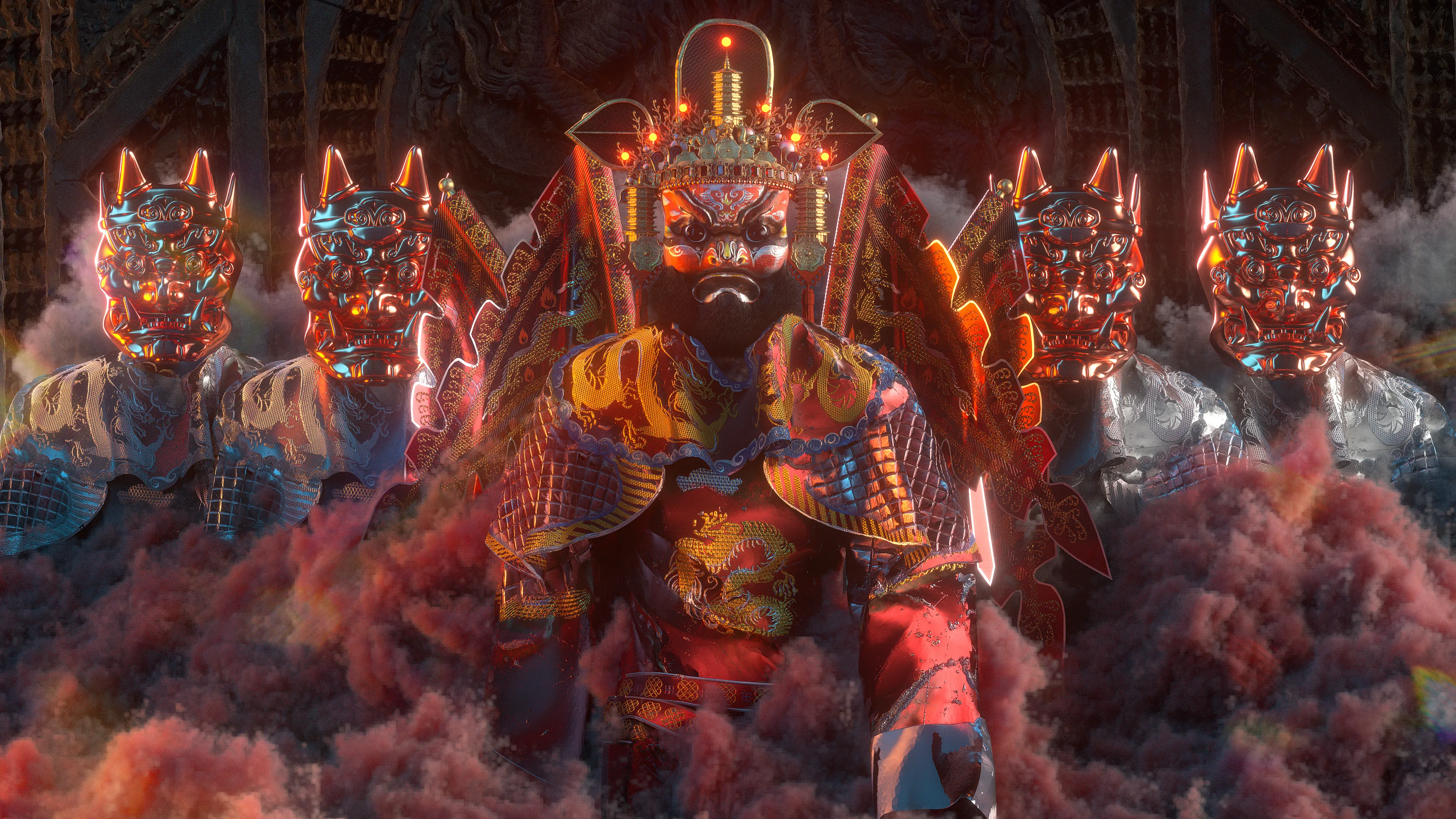
Interview with Zhiyan Cai | Cyber Folklore | 3D Artist
Artist Introduction
I am Zhiyan Cai, a 3D artist and former architect currently residing in London. My work delves into the intricate relationships between culture and technology, history and the future. I enjoy intertwining Asian cultural elements with themes of futurism and science fiction, utilizing 3D rendering, parametric design, augmented reality, and virtual reality technologies to create visually immersive experiences that transcend traditional boundaries and spark imaginative journeys. My series "Cyber Folklore" has received enthusiastic acclaim on international design websites like Behance and Chinese design platform Zcool. My work has been showcased at prominent international art events, including Milan Design Week, London Design Festival, NYCxDesign, Design Shanghai, and Shenzhen Cultural Expo. Various domestic and international art media such as "Al-Tiba9 Art Magazine," "WWD China," and "Guoke Technology" have featured my pieces. My art embodies a romantic interpretation of mythology, regional culture, and science fiction. Despite being born in a modern metropolis, I frequently conduct art research in rural towns. Fascinated by various folk cultures, costumes, and legends, I view my creations as contemporary reinterpretations of myths, considering myths and legends as ancient forms of science fiction.
Tell us about the project - Cyber Folklore
Cyber Folklore is a 3D visual art project that combines Asian cultural heritage with cyberpunk aesthetics. The inspiration for this project came from my research trips to places like Guizhou and Hunan in China. These regions are home to many Asian indigenous groups that showcase a rich diversity of cultural arts, including unique clothing designs, totems, embroidery, dance, and poetry.
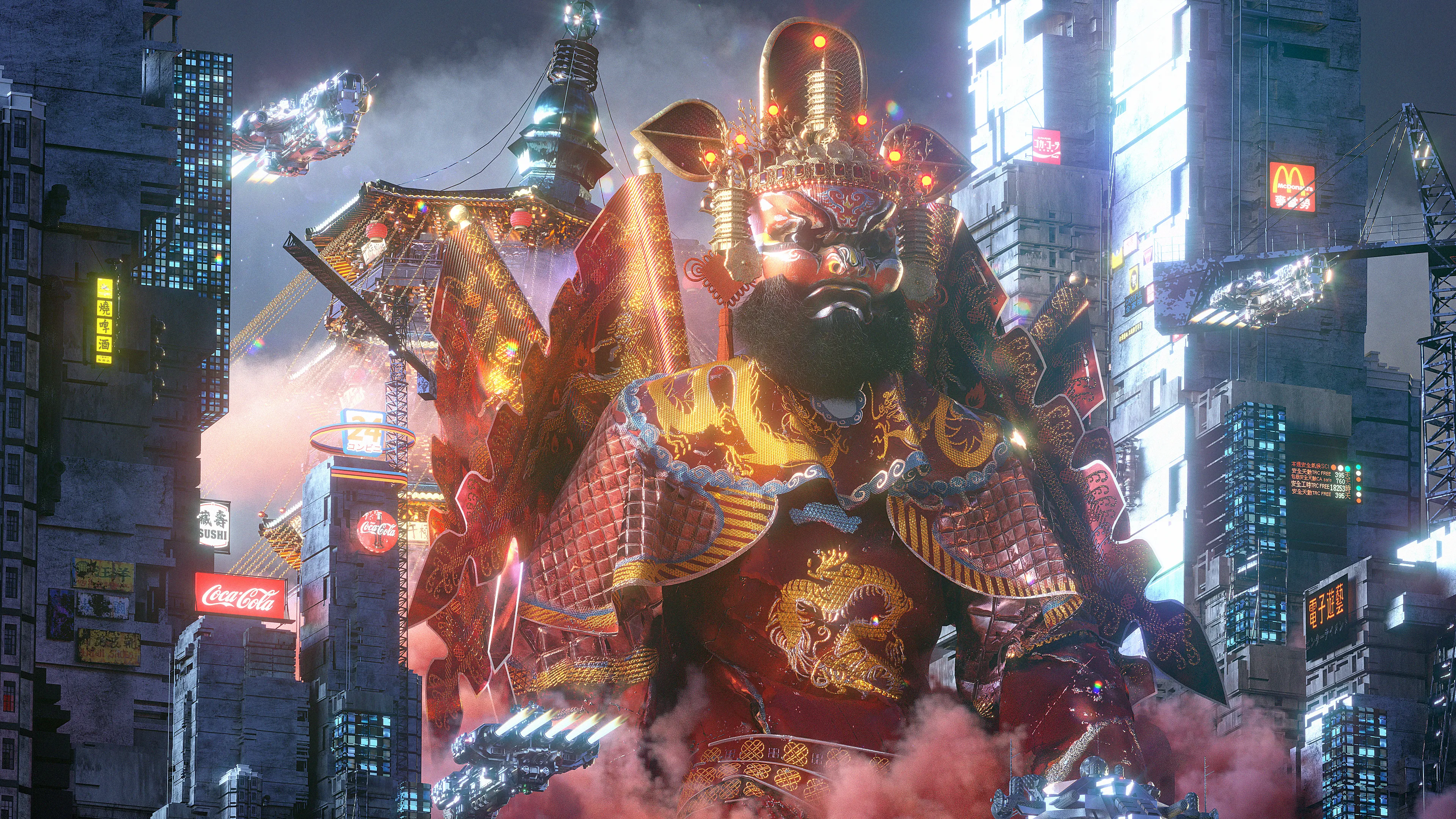
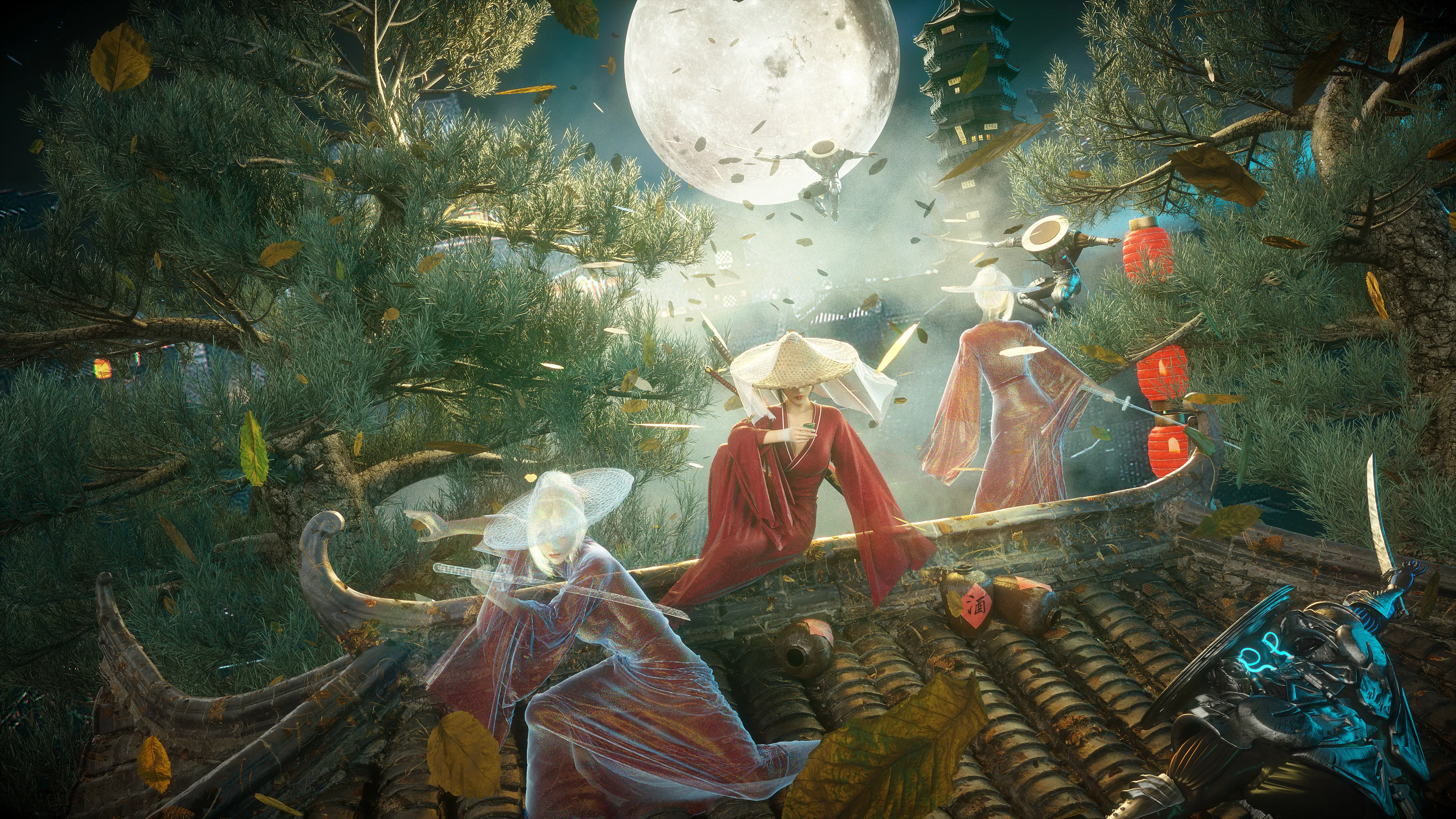
In Cyber Folklore, I have reimagined various local folklore stories and mythical characters, with each piece depicting a different tale. The folklore is intertwined with visually striking sci-fi elements, creating a unique style that aims to bring cultural heritage into the realm of popular art.
Can you give us a quick overview of the different tools used in your pipeline?
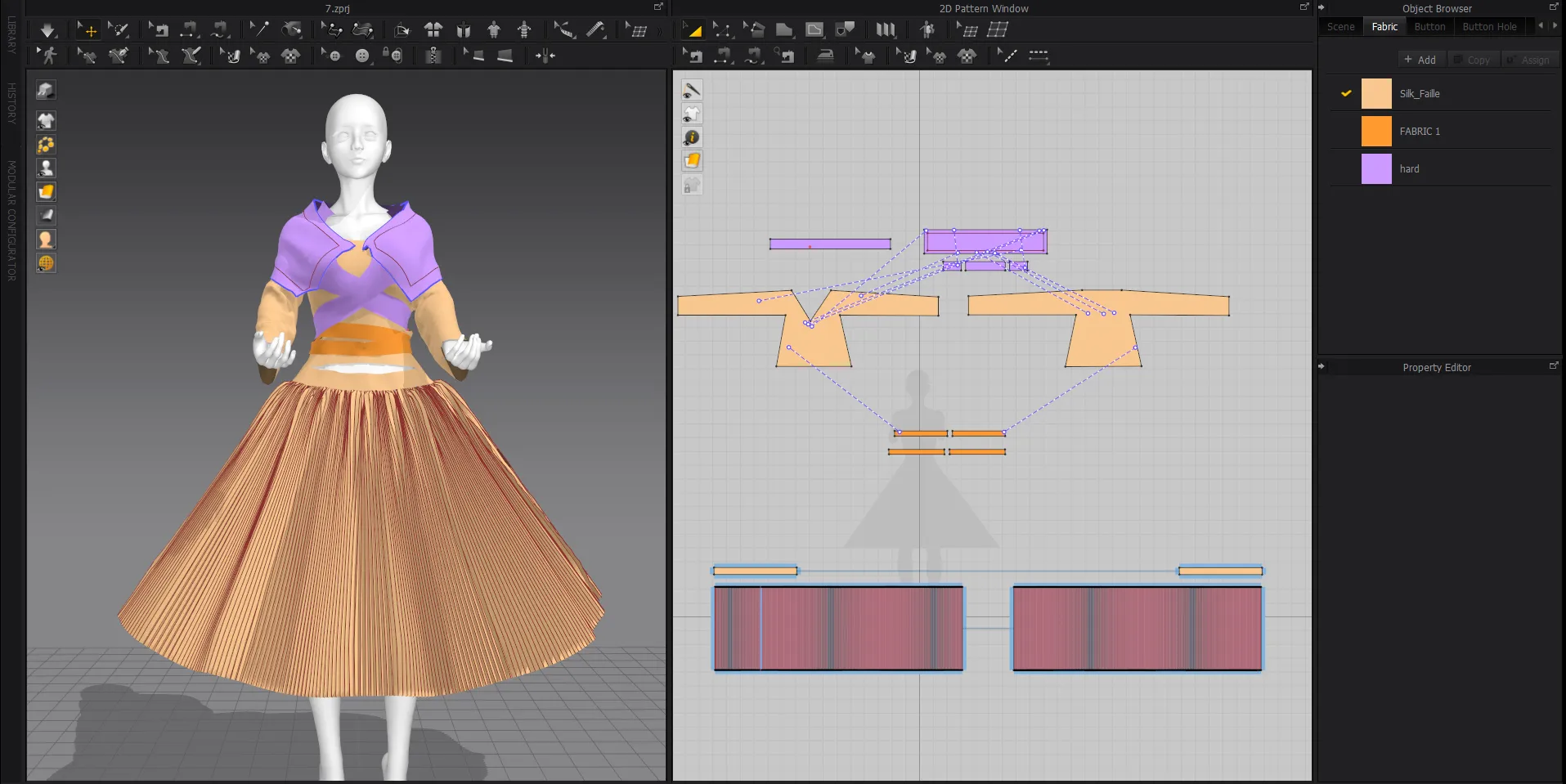
Clothing Modeling: Marvelous Designer
Texture Painting: Substance Painter
Character Models: Daz Studio
Animation: Cinema 4D
Rendering: Octane Render
Could you give examples of some of the iconic scenes and characters Marvelous Designer has been used for?
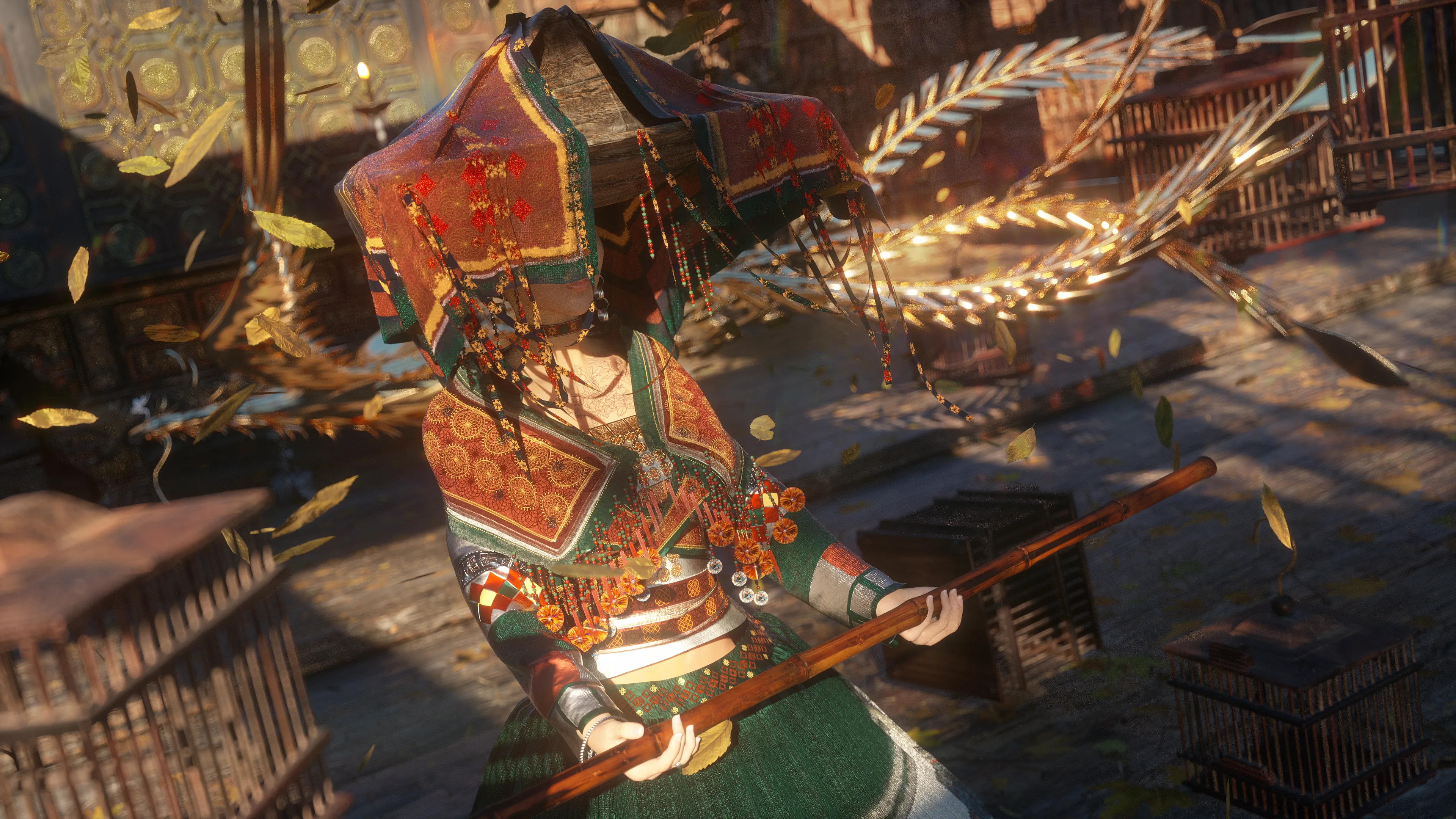
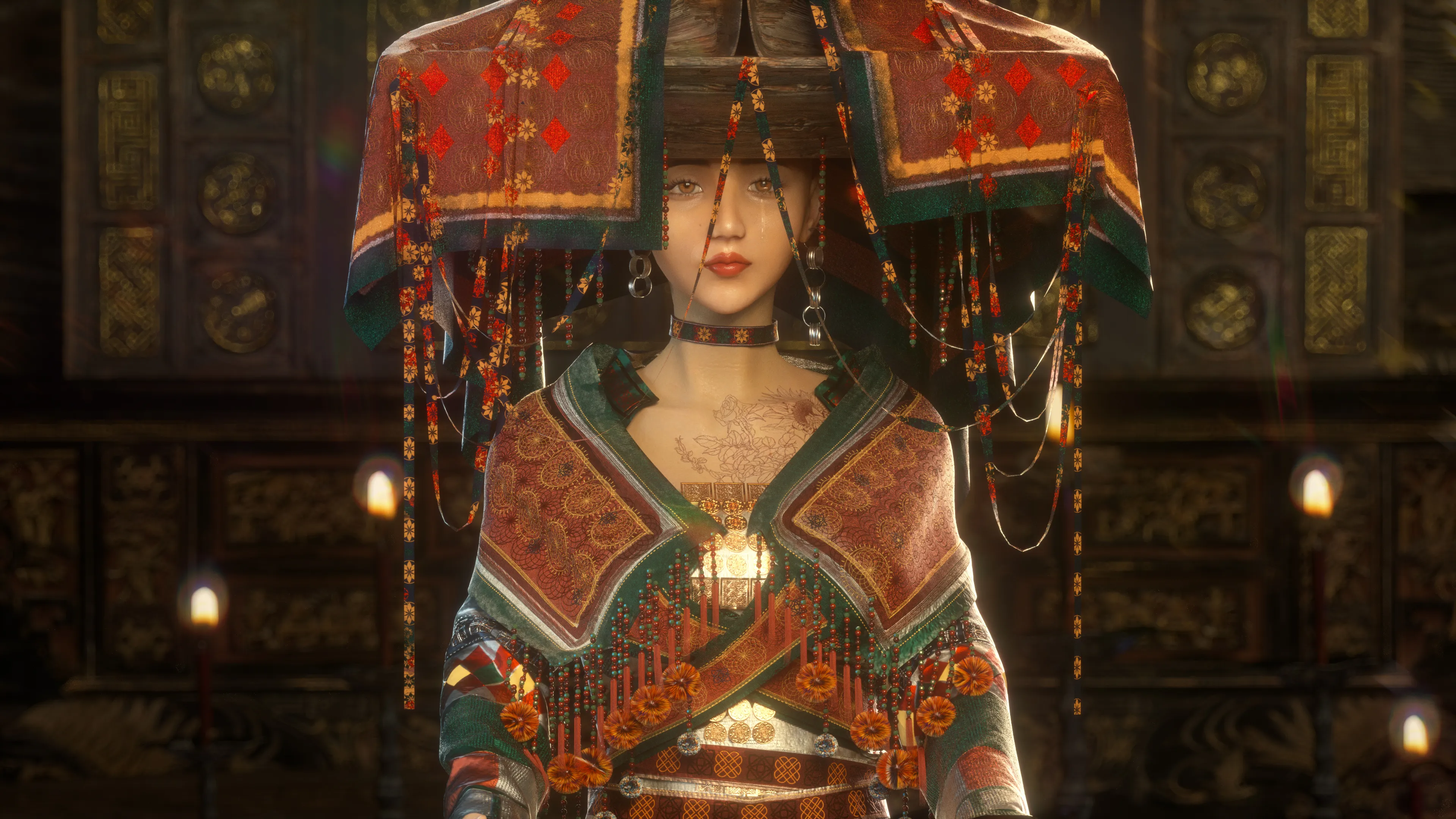
Representative scenes in Cyber Folklore, such and "Miao," extensively use Marvelous Designer.
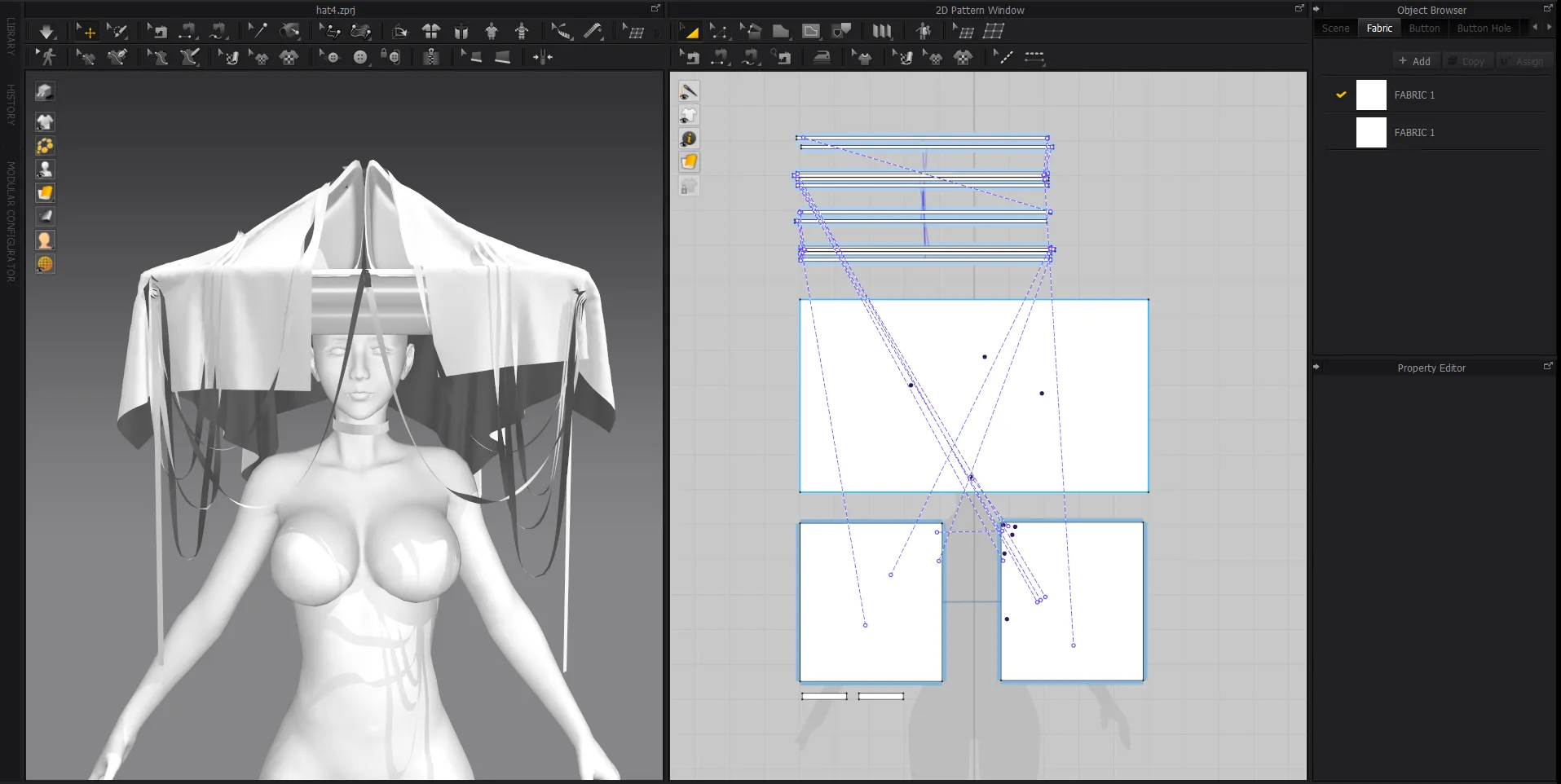
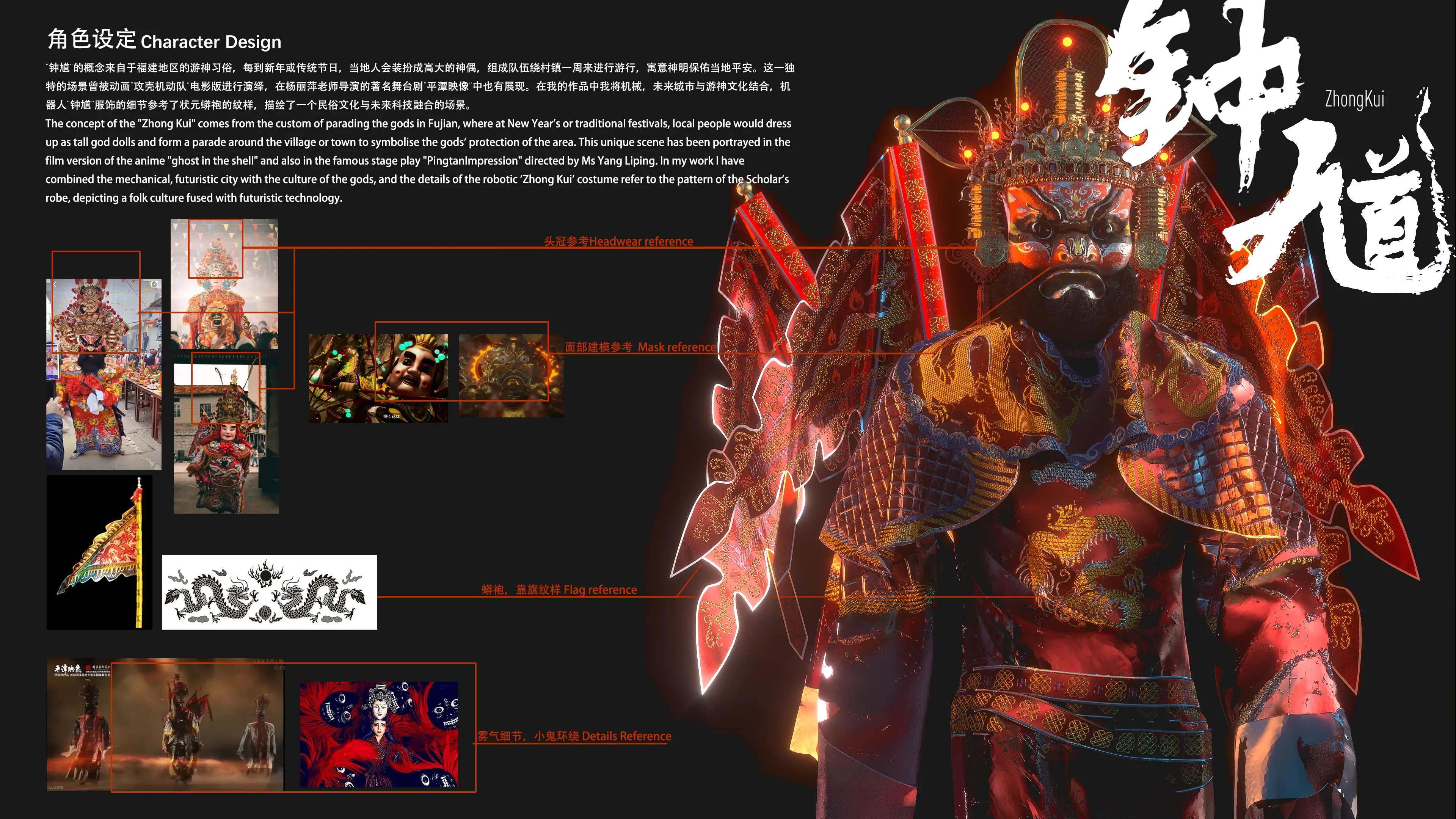
The inspiration for "Zhongkui" comes from the Fujian tradition of parading with large deity costumes during festivals, bringing blessings to the people. This iconic scene was also referenced in the famous sci-fi animation "Ghost in the Shell." The most stunning aspect of this scene in Cyber Folklore is Zhongkui's dramatic robe. I modeled this robe in Marvelous Designer, drawing heavily from the styles of Beijing opera costumes. In the scene, I wanted to convey not only the softness of the fabric but also the hardness and resilience of metal. To achieve this, I meticulously adjusted the physical parameters of the fabric simulation.
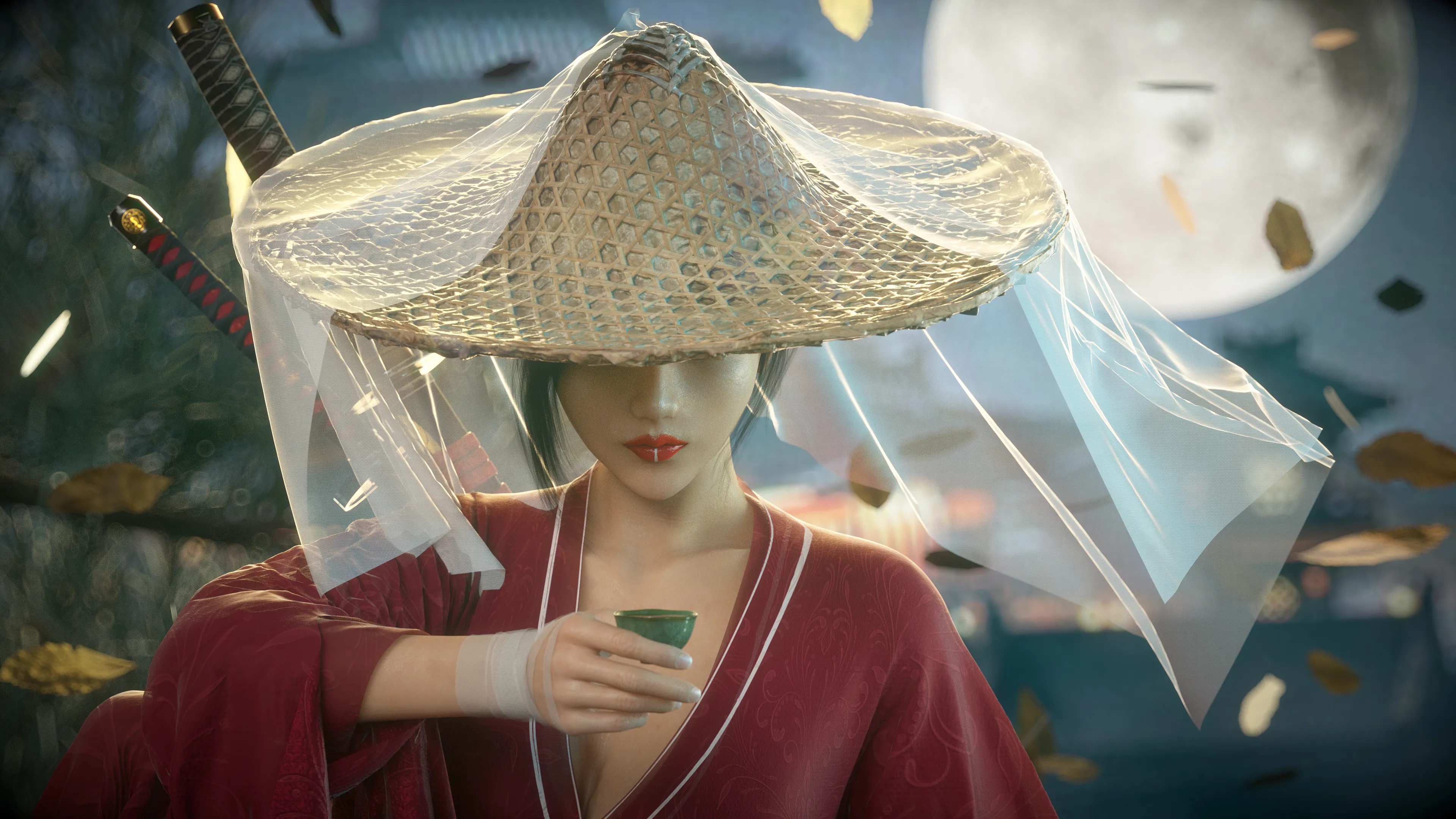
Marvelous Designer also excels at simulating clothing animations. I created an animation of the character moving from an A-pose to walking, imported the character's Alembic file, and used the animation to simulate the clothing, outputting the Alembic clothing file. This file was then imported into Cinema 4D, where I used the Pose Morph Tag to link the existing clothing model, completing the animation rendering of the attire.
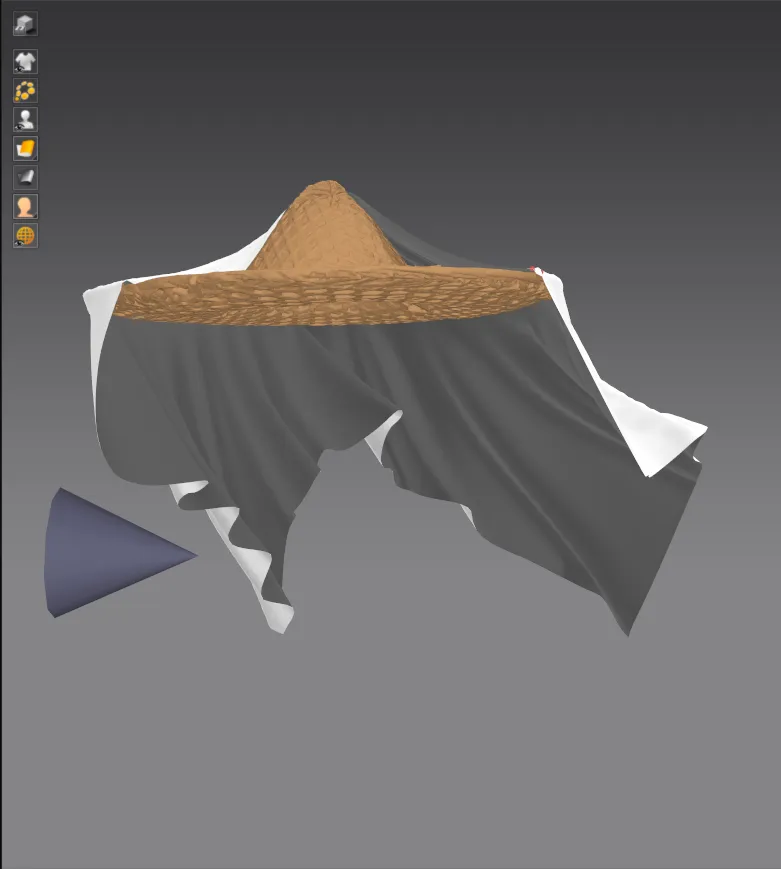
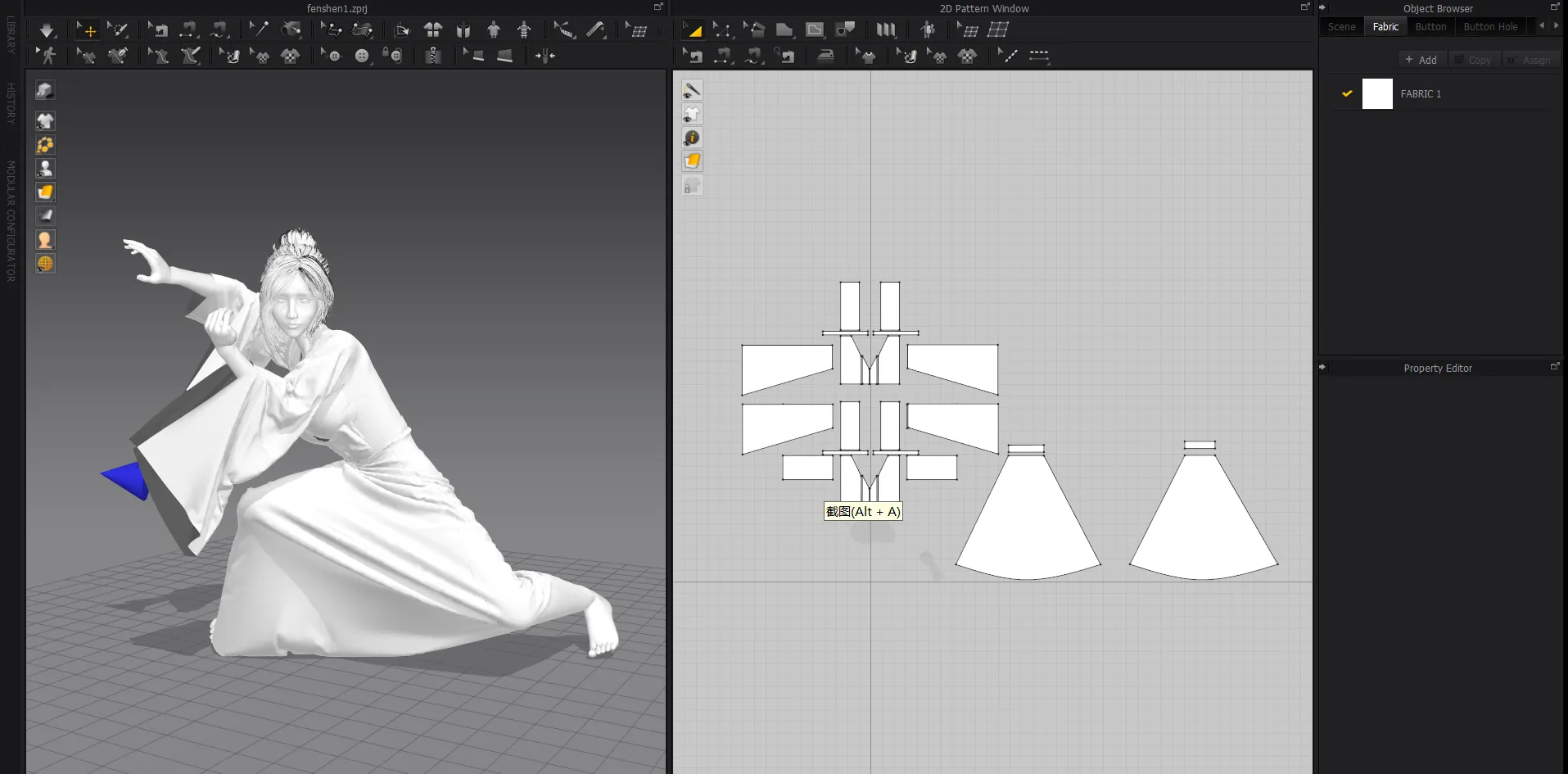
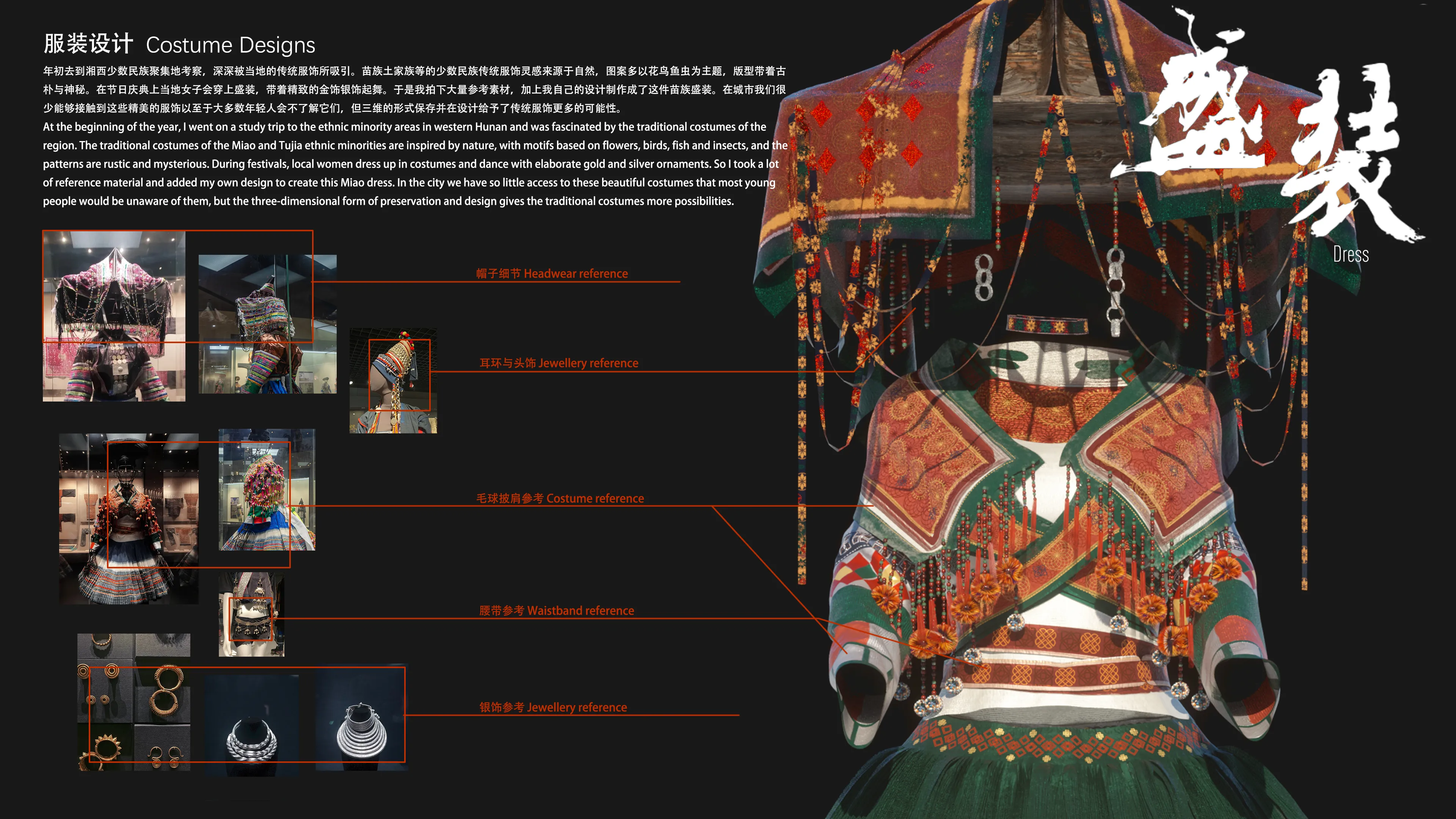
In the "Miao" scene, I aimed to showcase the intricate and luxurious beauty of Miao cultural attire. I took numerous photos at local folklore museums for reference, modeling each piece separately, including headscarves, skirts, belts, and shawls. The real-time simulation and rendering capabilities allowed me to ensure that the clothing perfectly fit the imported model's body.
Can you elaborate on the challenges while you’re working on this project - Cyber Folklore?
I don't have a professional background in fashion design, so I spent a lot of time studying the patterns of traditional costumes. Traditional opera costumes are structurally very complex, but fortunately, Marvelous Designer is very user-friendly and allows for easy modifications and re-simulations. By simplifying the complex patterns, I was able to quickly achieve the desired effect.
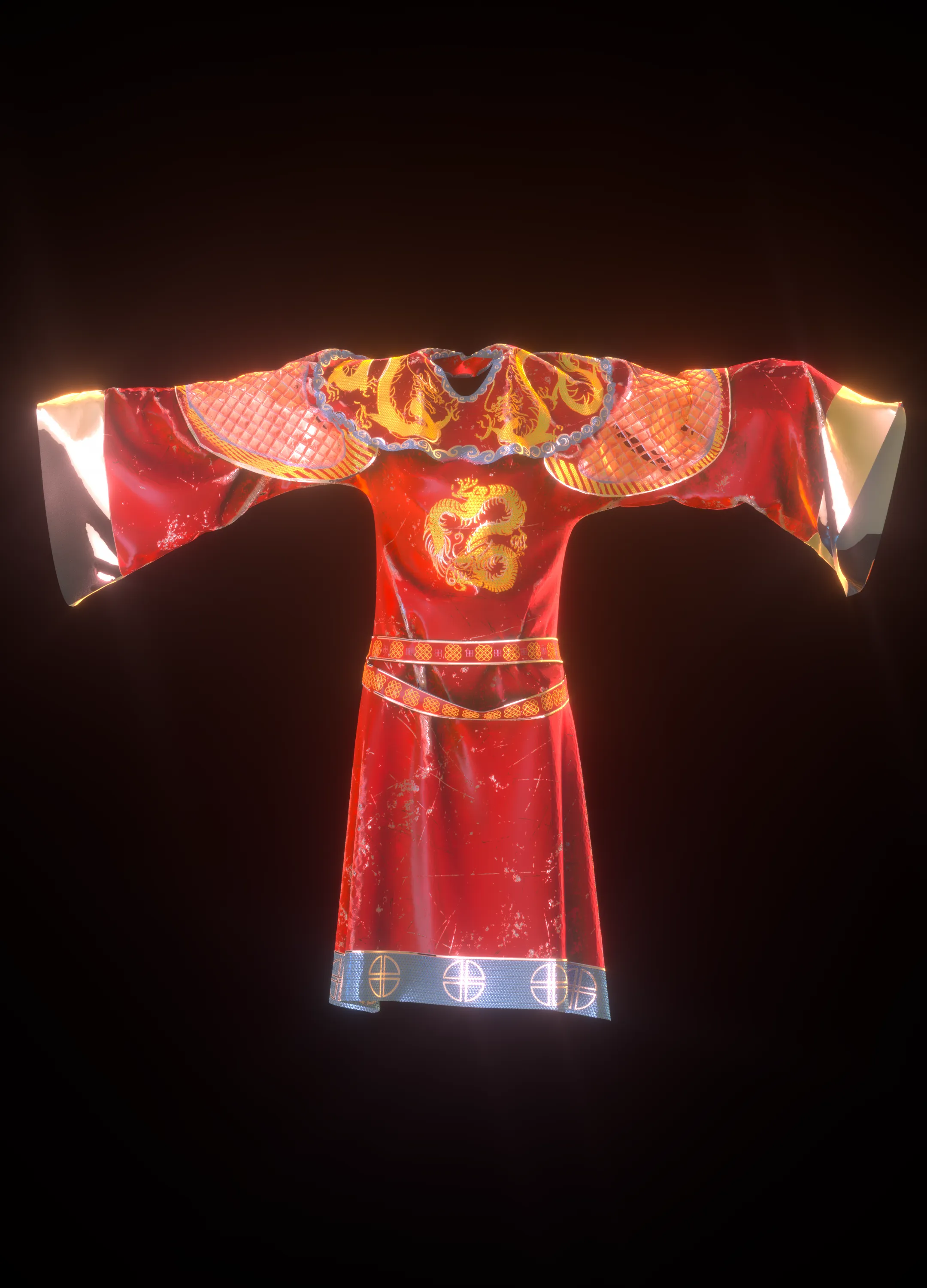
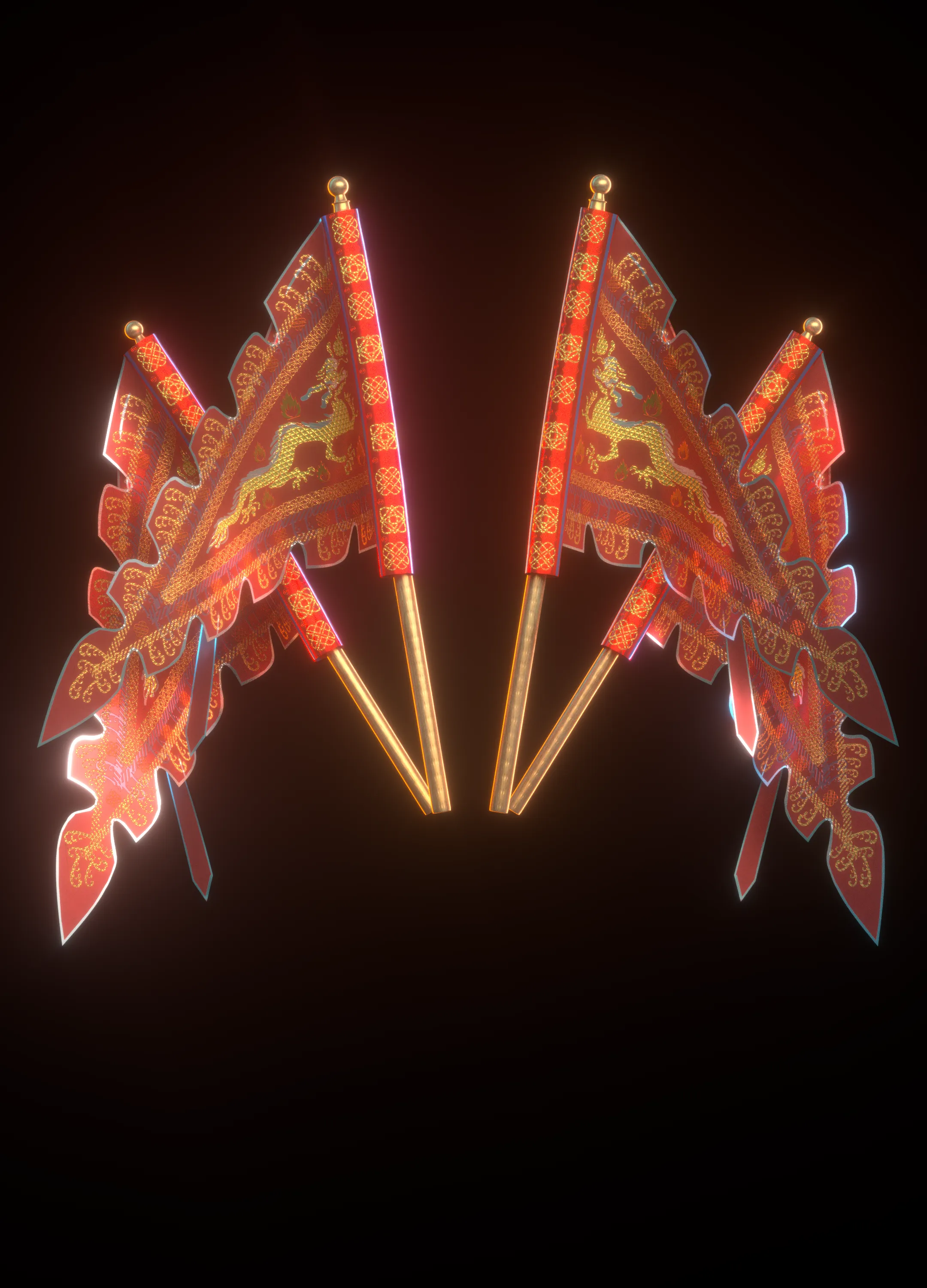
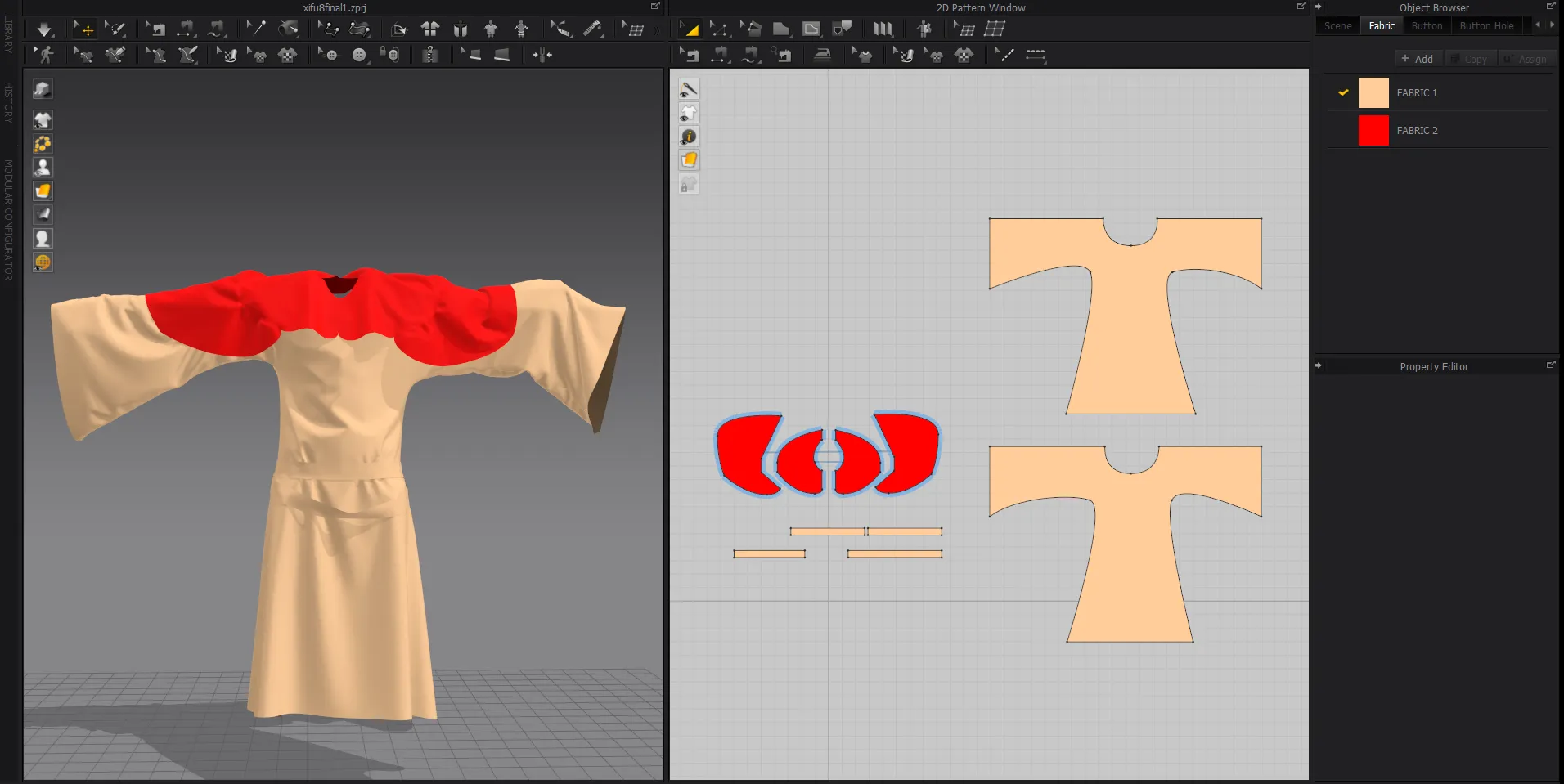
Another challenge was the subtle adjustment of fabric textures. Many of the fabric effects I wanted were difficult to find in real life. Adjusting the Detail data in the Physical Property settings helped me achieve the desired look.
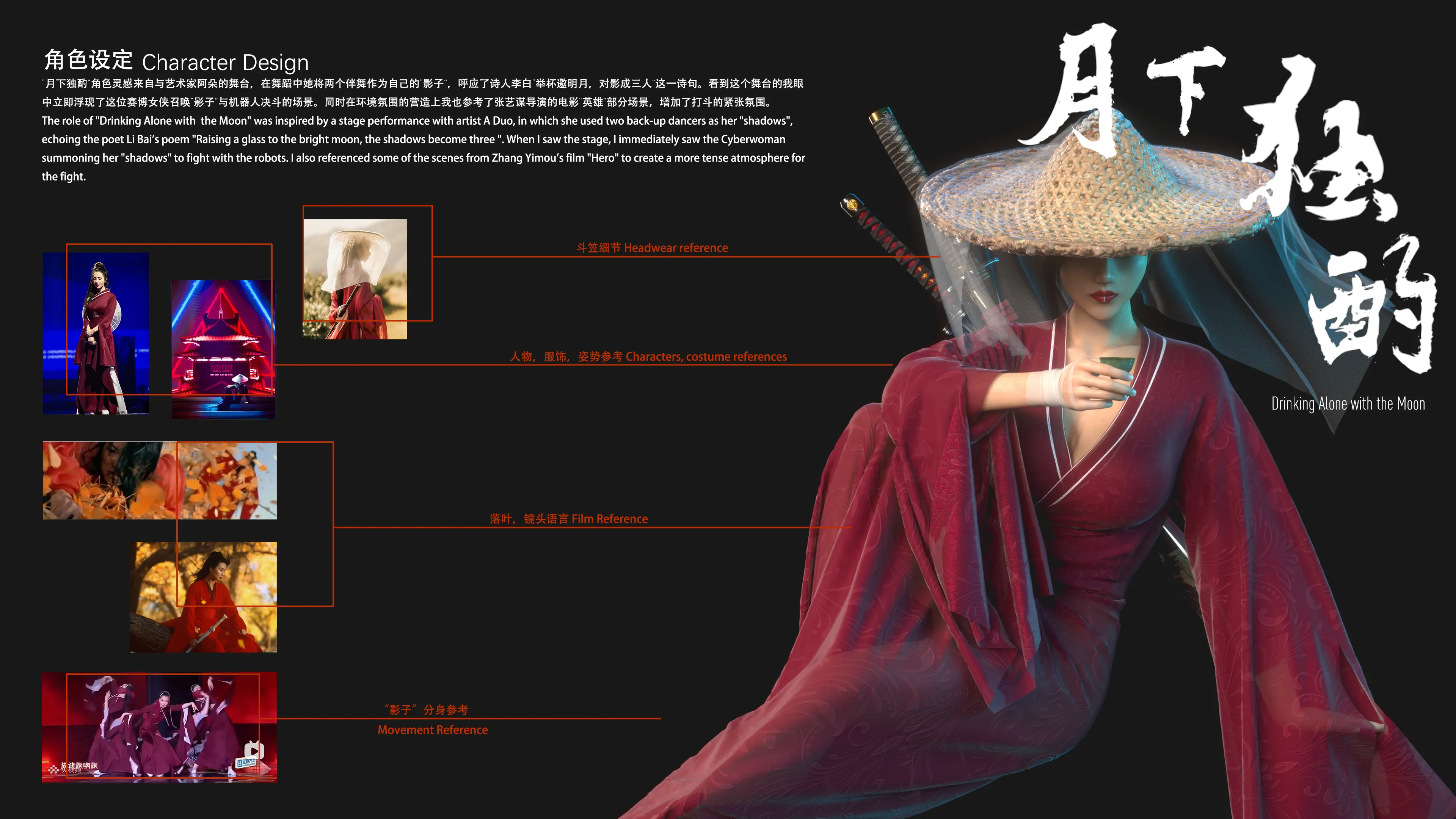
Additionally, I have always sought to explore the intersection of sci-fi and folk art in my aesthetics. I created mood boards while designing my characters and scenes, drawing inspiration from the stage performances and musicals of many renowned folk artists.
How can you describe your overall experience of the use of the Marvelous Designer?
First of all, I believe that Marvelous Designer allows a non-professional in fashion like me to get started quickly due to its clear and simple interface. Using Marvelous Designer has also brought me a lot of inspiration. One of my previous projects, "Song of Spring," was an accidental creation while testing various features of the software. The design of my character's clothing was inspired by the attire of the Miao people. However, I also wanted to reflect the organic image of the Miao goddess "Butterfly Mother" as she flutters her wings and connects with nature. By repeatedly simulating the animation, I created the romantic symbolism of a butterfly spreading its wings to bring spring.
What's next in store for you?
Earlier this year, I collaborated with dancers and musicians to create a digital art show in London that combined my 3D animations. I thoroughly enjoyed the process of cross-disciplinary collaboration with different artists, as it always brings a lot of inspiration. I hope to continue such attempts in the second half of the year and welcome interested dancers and musicians to contact me. Commercial collaborations are also welcome.
Another project I'm currently working on involves creating a character in Unreal Engine using the Metahuman system. I customized my character, redesigned the hairstyle, and used Marvelous Designer to create the clothing. This work will be part of "Cyber Folklore 2."
What advice do you have for other 3D artists who may just be starting their careers?
Stay curious and keep learning the latest technologies. Always maintain your unique style and continue pursuing what you are passionate about.
For those just starting their careers in 3D art, my advice is to approach every project with a sense of curiosity and a willingness to learn. The field of 3D art is constantly evolving with new technologies and techniques, so staying updated is crucial. Additionally, it's important to develop and maintain your unique artistic voice. Your individual style is what will set you apart in the industry. Finally, never lose sight of what you love about your work. Pursuing your passions will keep you motivated and drive your creative journey.
by Zhiyan Cai
Behance
이 작업은 Maxon, Cinema4D, Daz, SubstancePainter, Traditional, Chinese 등의 기술로 제작되었습니다.
Marvelous Designer로 이와 같은 3D 의상·캐릭터 작업을 직접 만들어볼 수 있습니다.