Traveller - Cyberpunk Guan Yu
✨ Blending tradition and future: Tony Zhou reimagines Guan Yu with cyberpunk aesthetics using Marvelous Designer. A fusion of history and innovation! ✨
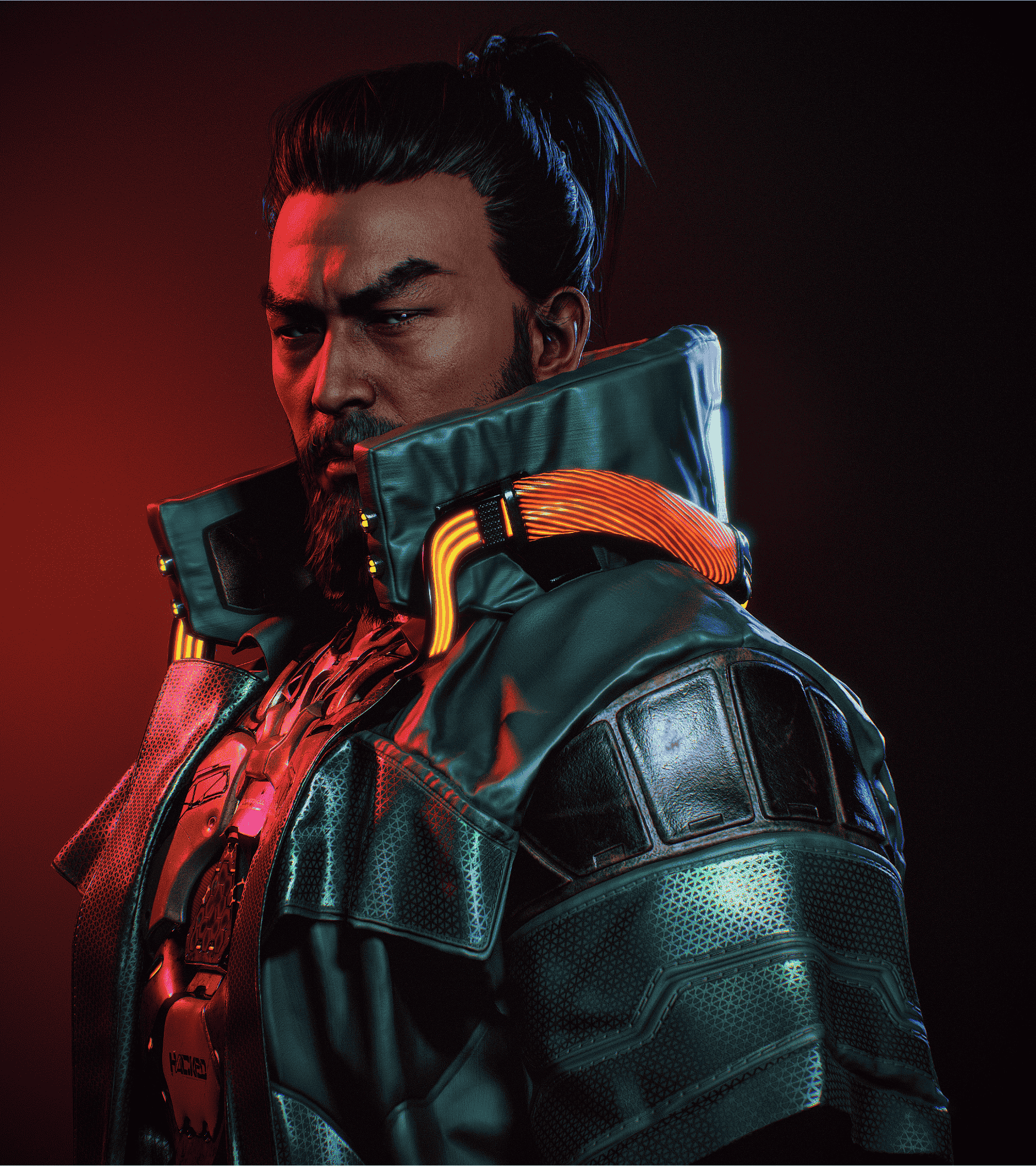
Interview with Tony Zhou| Traveller | 3D Artist
Could you please introduce yourself to the Marvelous Designer community members?
Hi, my name is Zhou Deming, a senior game character artist from China with ten years of experience in game development. In my free time, I like to delve into new creative workflows and pursue personal projects. I am currently employed at NetEase Gaming, leading the character development for Destiny Rising.
Tell us about the project. What inspired you? Is there a particular story or setting behind it?
This project draws inspiration from blending traditional Chinese historical characters with contemporary game character design, exploring a creative fusion of the contrasting worlds of the Three Kingdoms period and the cyberpunk aesthetic.
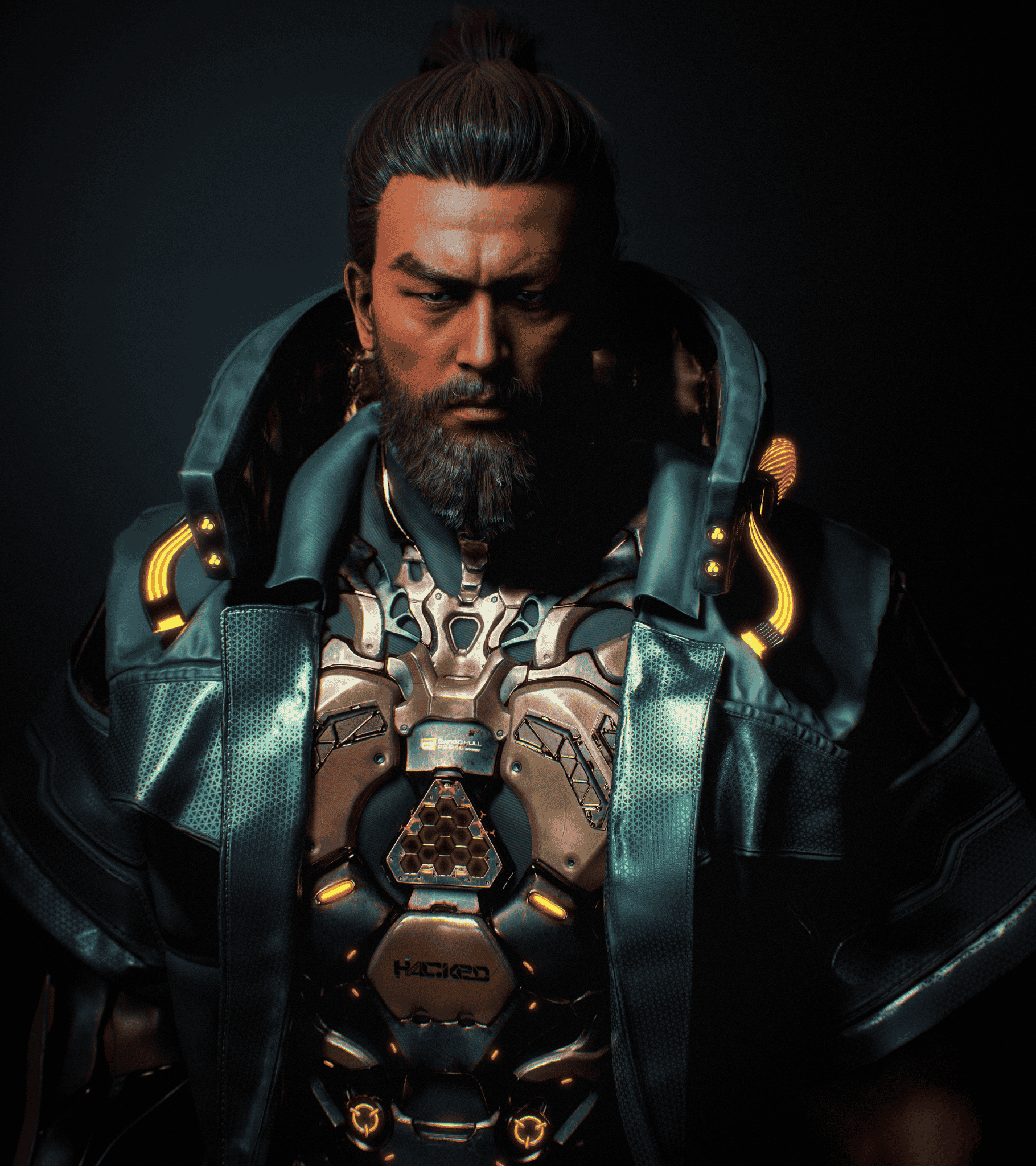
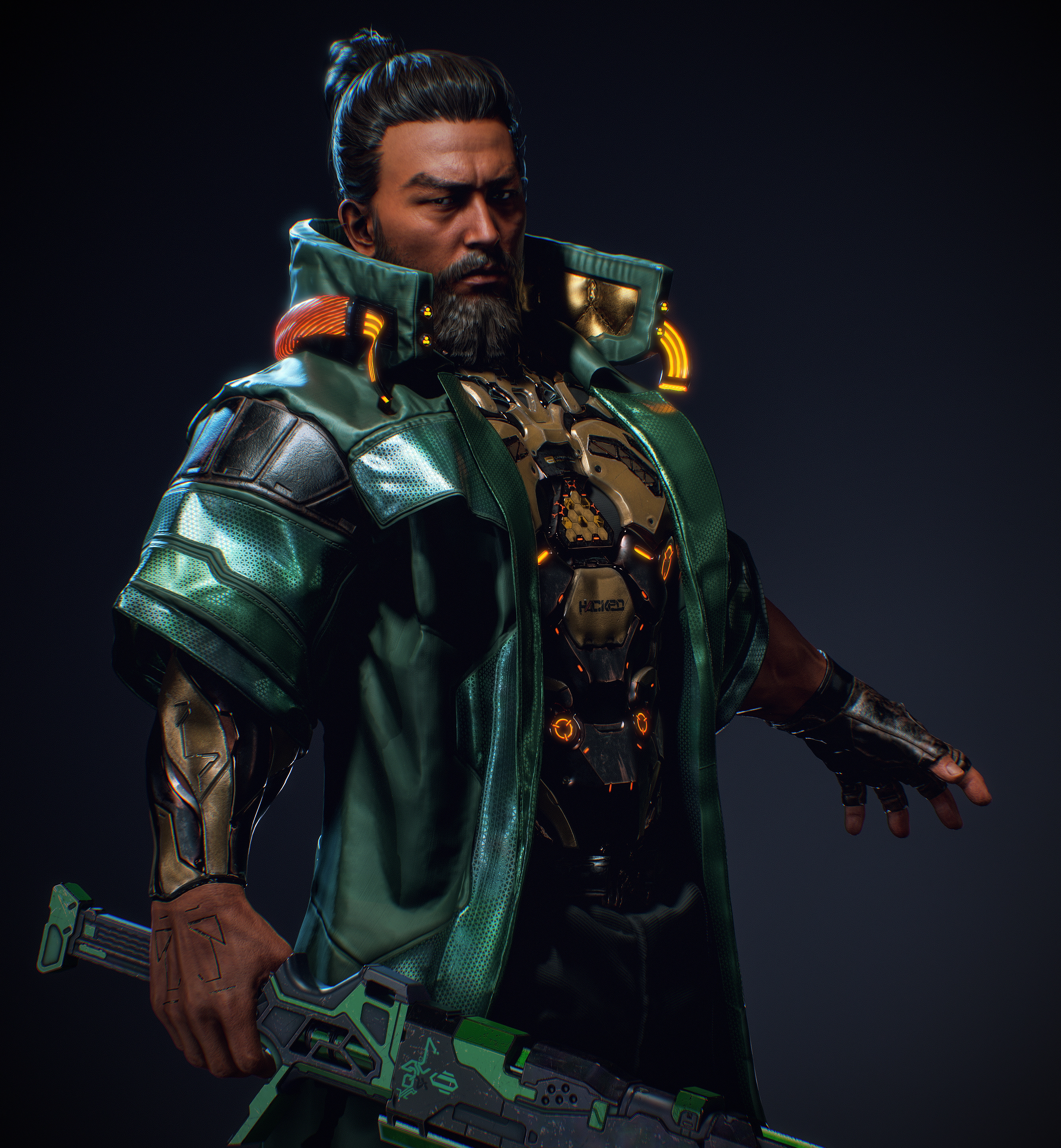
As a traditional Chinese historical figure, Guan Yu represents classical culture, while cyberpunk embodies a futuristic aesthetic. How did you approach blending these traditional cultural elements with futuristic technology in your creation? How did Marvelous Designer contribute to this integration?
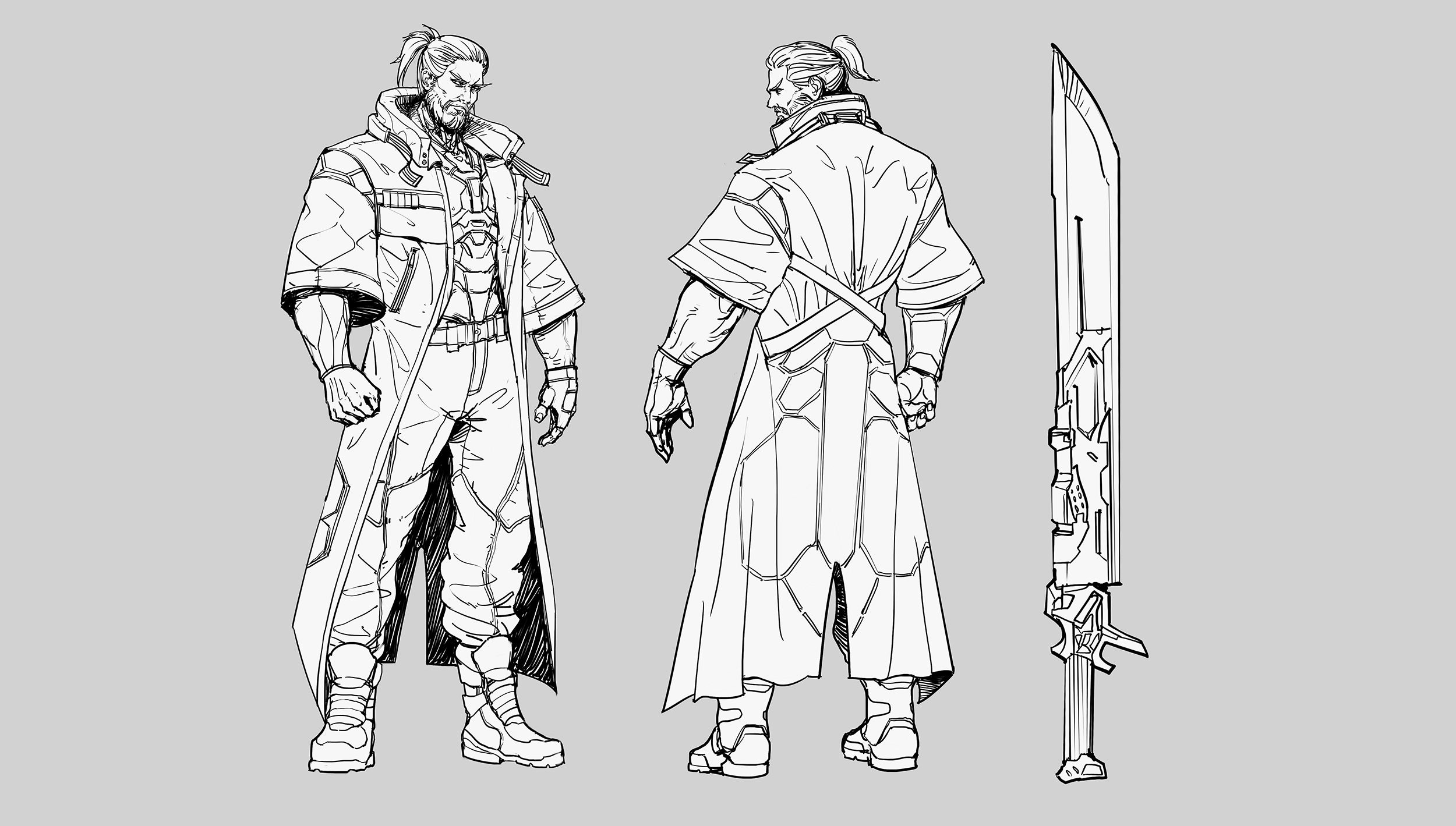
To prepare for this creation, I researched a wide range of literary works about Guan Yu, as well as his depictions in modern films, TV shows, and games. I also studied many cyberpunk-style art pieces. From these sources, I distilled elements such as costume structures and color schemes to craft the preliminary design.
Marvelous Designer played a crucial role in experimenting with various clothing styles during the early design phase. Unlike revising 2D drafts, using a 3D platform allowed for real-time adjustments and a more intuitive visualization of designs, greatly enhancing efficiency and facilitating early-stage adjustments.
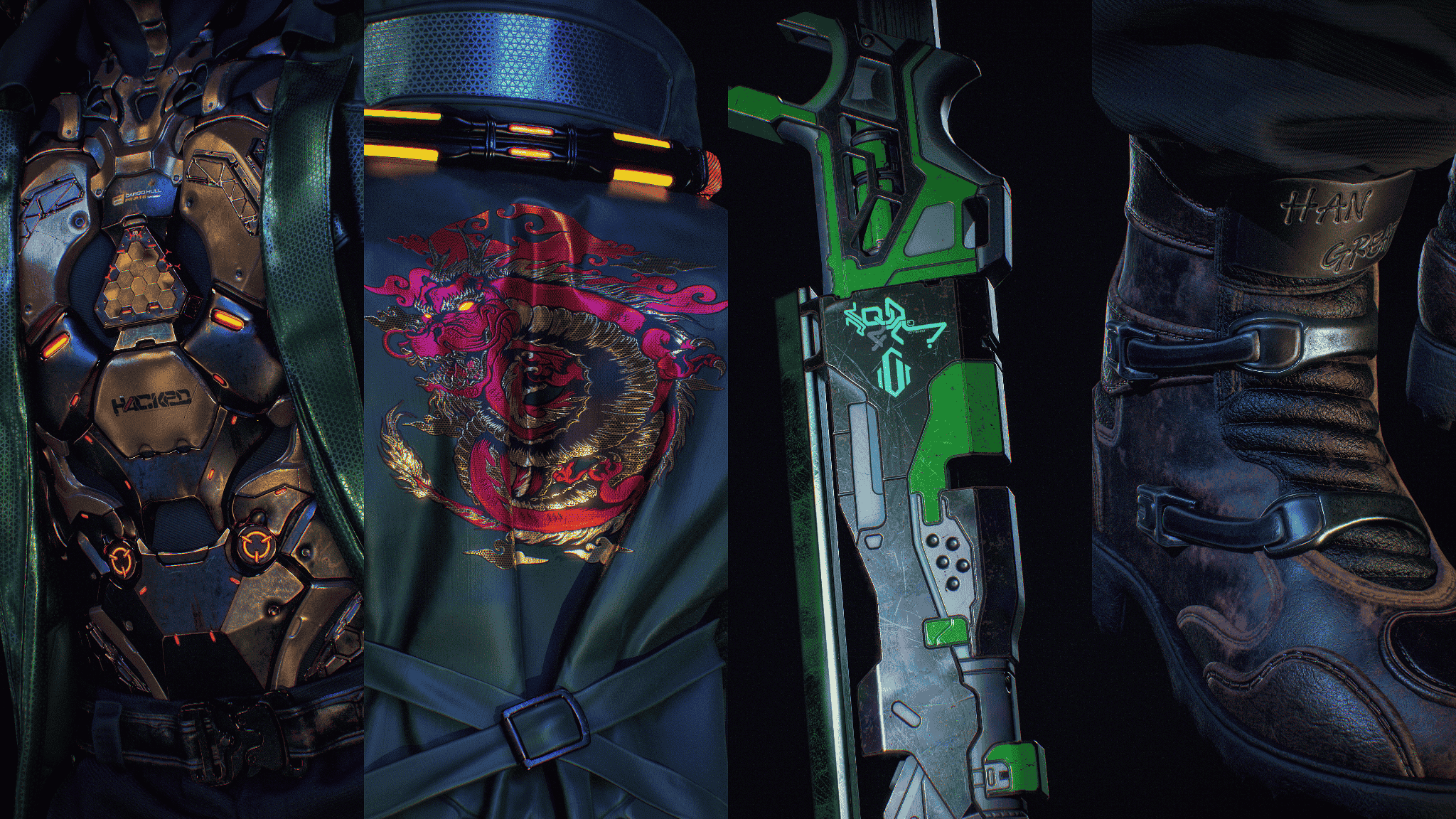
The metallic finish and aerodynamic design of the character’s coat are remarkable! What techniques did you use to achieve this fabric effect?
While refining the design drafts, a preliminary plan for the colors and materials of the garments had already been established. The proportions of fabrics, leather, technological materials, and hard surfaces were continuously adjusted and polished during the subsequent modeling process to achieve a more harmonious visual effect. The segmentation of lines was evaluated by switching between A-pose and T-pose to observe whether the desired outcome was achieved. The texture of the fabrics was created using Substance Painter.
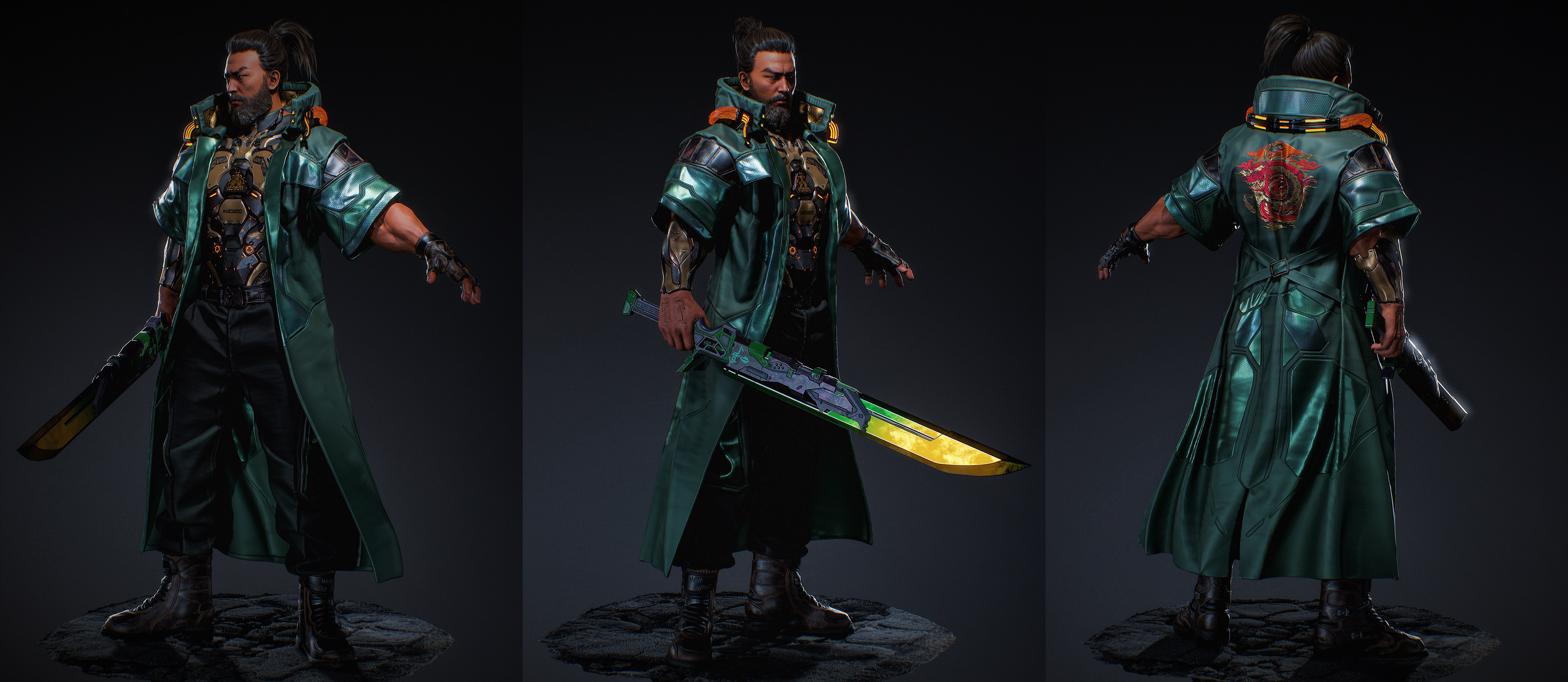
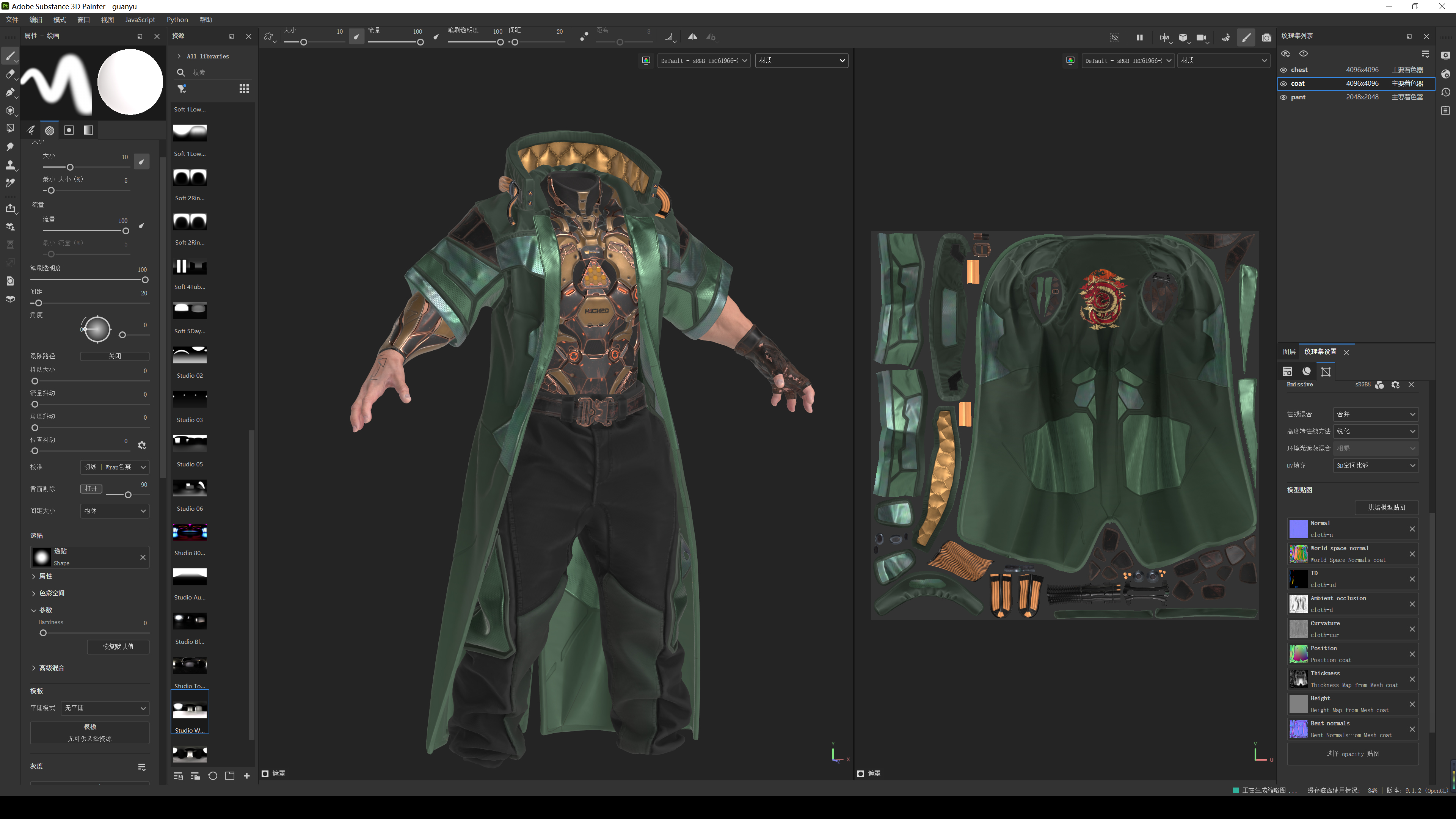
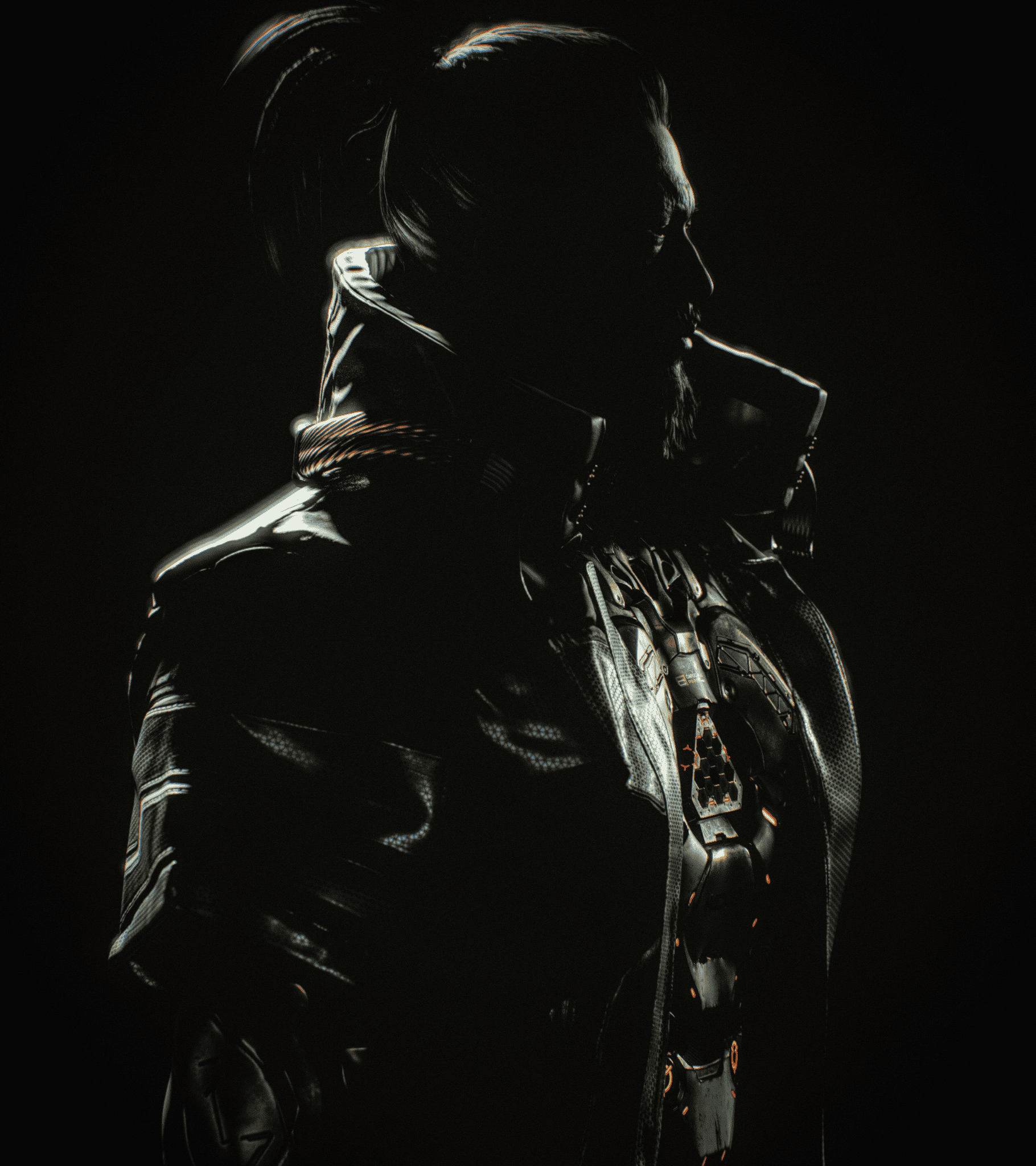
Can you give us a quick overview of the different tools used in your pipeline?
In the early stages of the project workflow, ZBrush and Marvelous Designer were primarily used for the modeling phase, iteratively refining the character during the high-poly stage. Maya and Marmoset were then employed to complete the low-poly modeling and baking process. Finally, textures were created in Substance Painter, and the final rendering was completed in Marmoset.
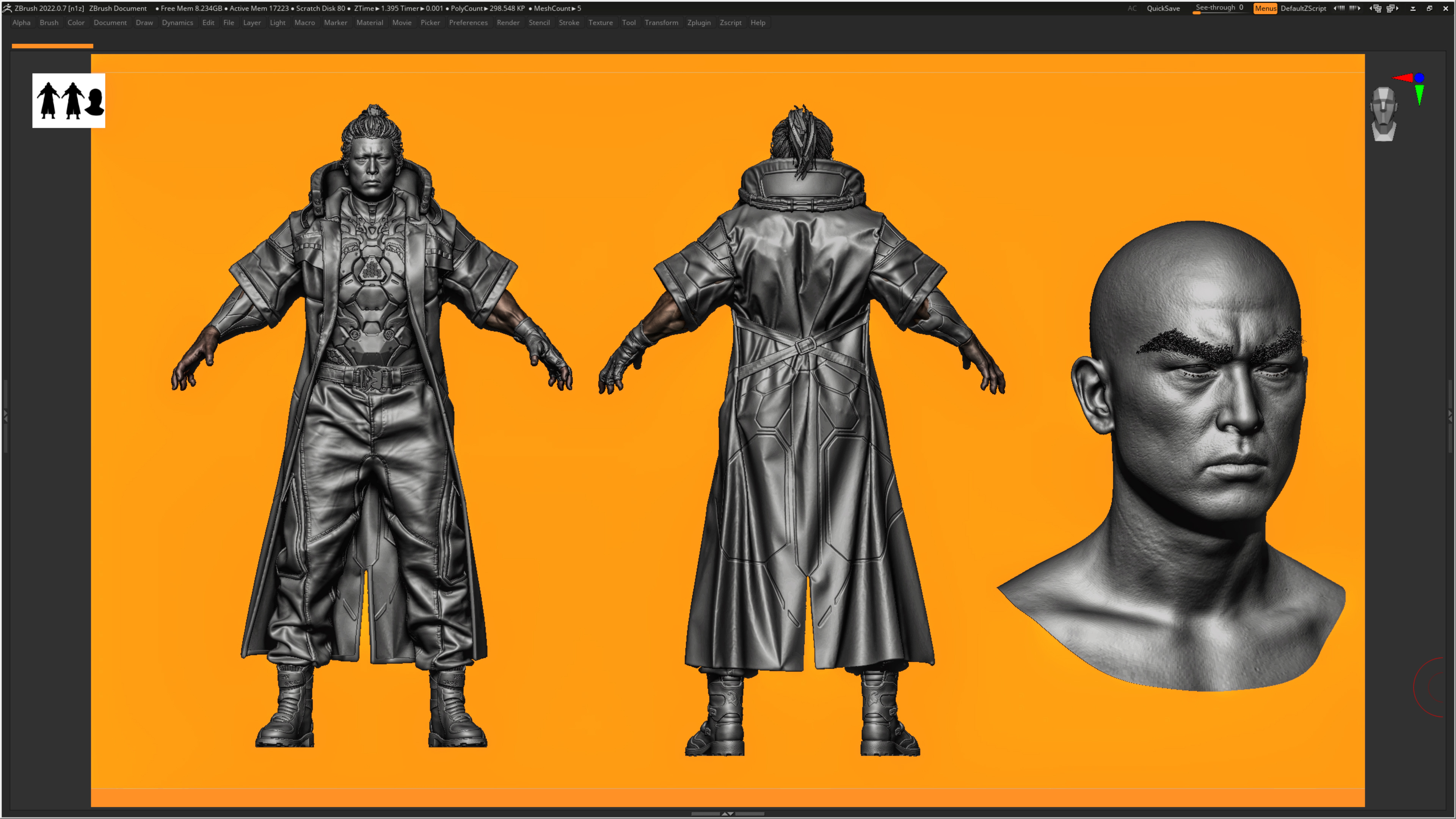
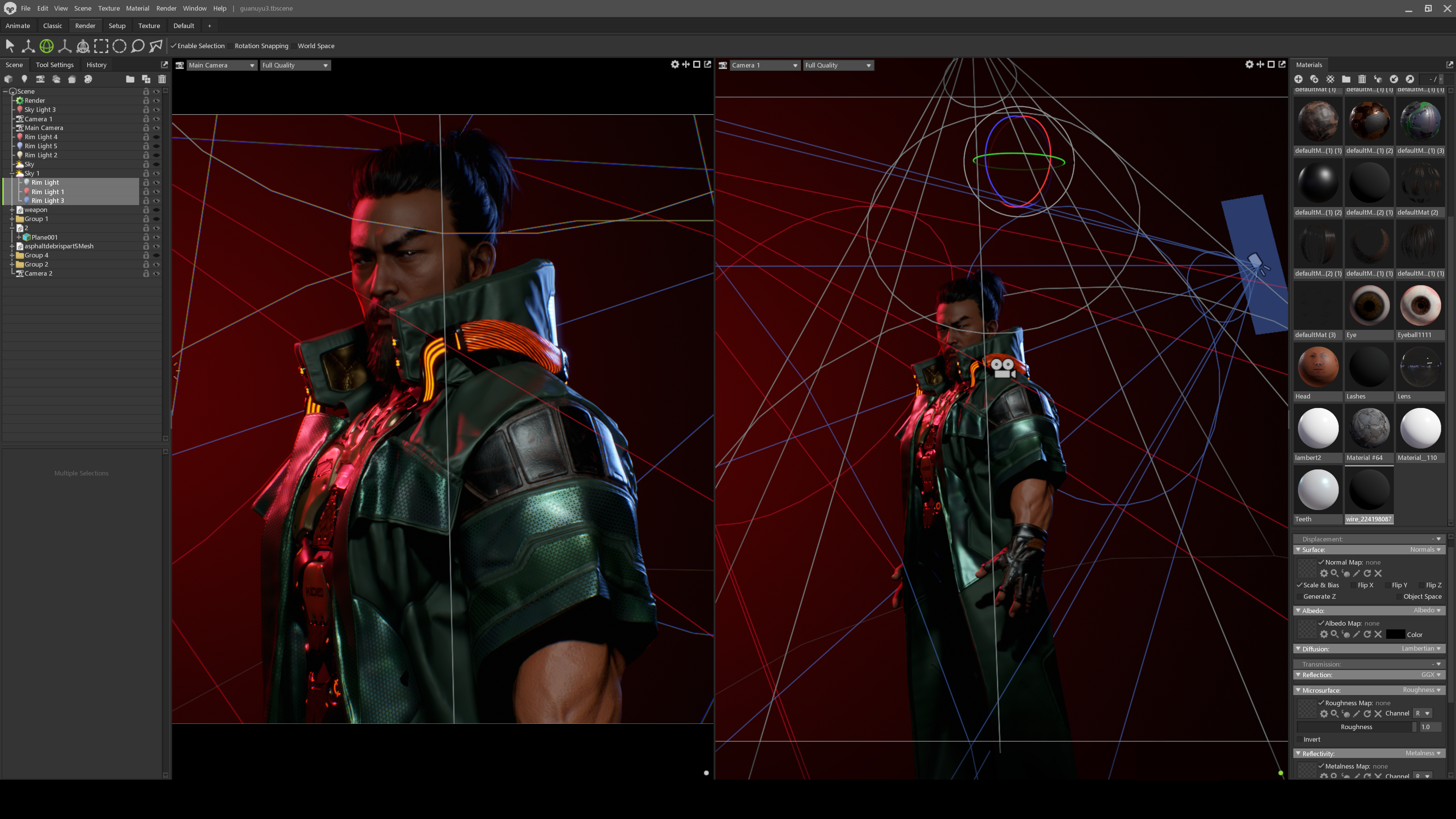
What challenges did you face during the creation process, and how did you overcome them?
The biggest challenges during the entire creative process were related to the overall design, such as character styling, similarities between designs, and making sure the characters felt cohesive. Revisions to the characters were ongoing throughout the process. For example, I kept going back and forth on whether the jacket should be a long coat or a short one, and how much hard surface detailing to include. If something didn’t look right, I’d just scrap it and start over. Even during the final texturing stage, I noticed the jacket’s structure felt a bit lacking, so I went back to the modeling phase to strengthen it. It was a constant cycle of questioning and refining until I reached a result I was truly happy with.
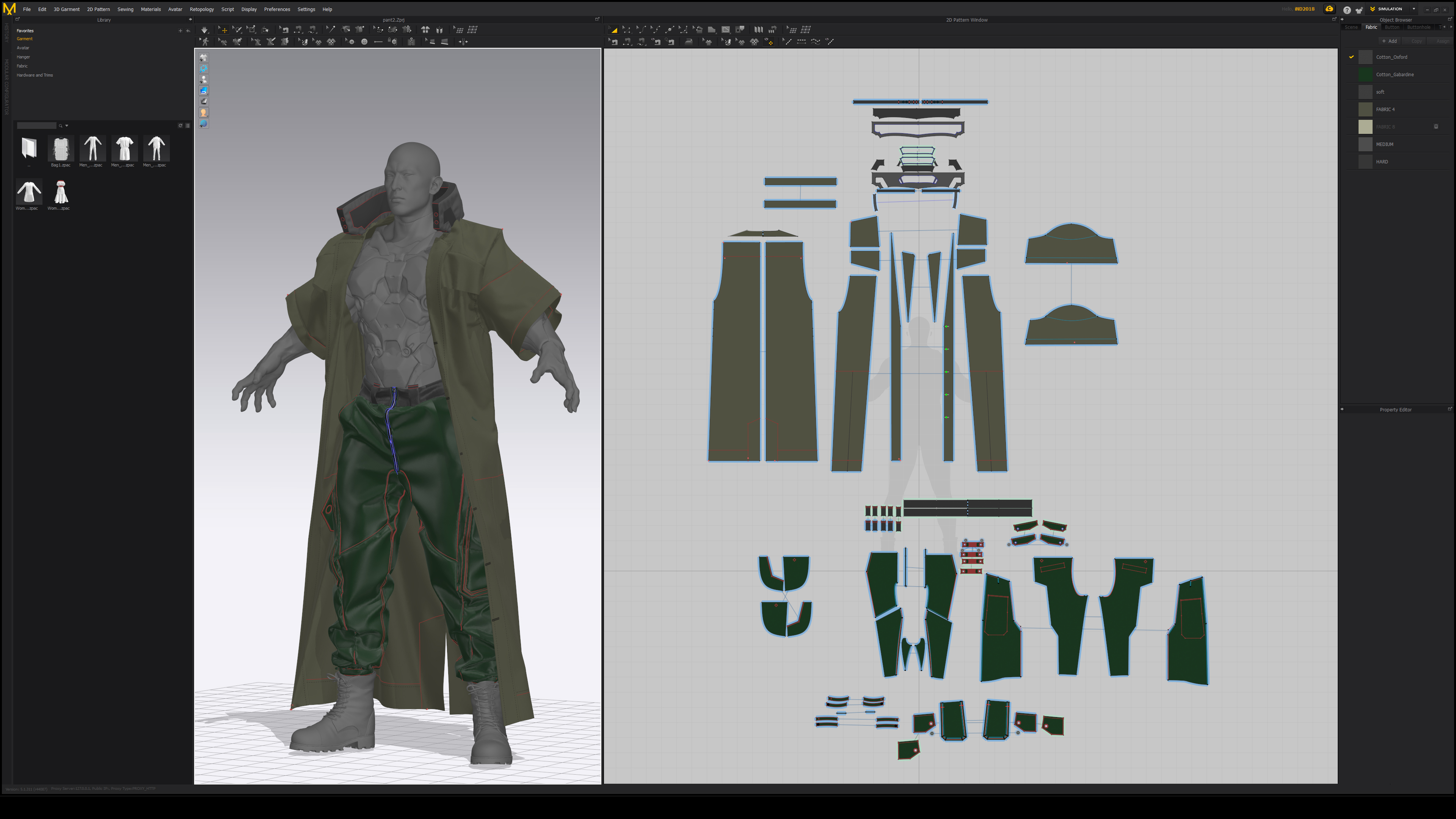
Are there any tips and tricks with Marvelous Designer that you can share with the community?
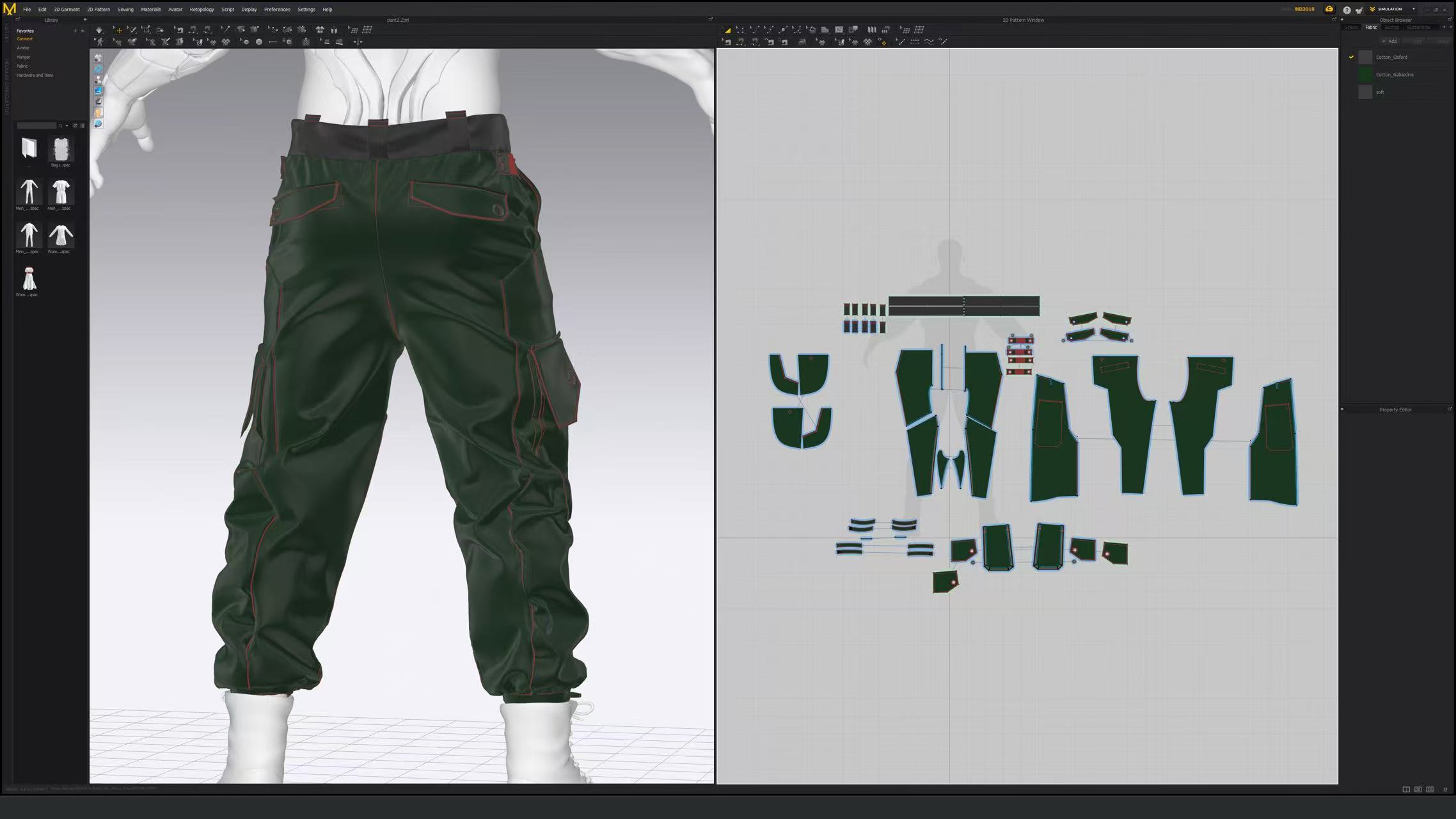
Some Tips and Tricks I Used During Production
When it comes to getting better fabric effects, it’s not just about having the right patterns or fabric settings. Fixed pins can be super helpful for simulations! By placing them in specific spots and tweaking their positions, you can often get some surprising and creative results. On top of that, playing with the folding angles of internal lines can create different folds, adding a lot of texture and depth to the fabric details.
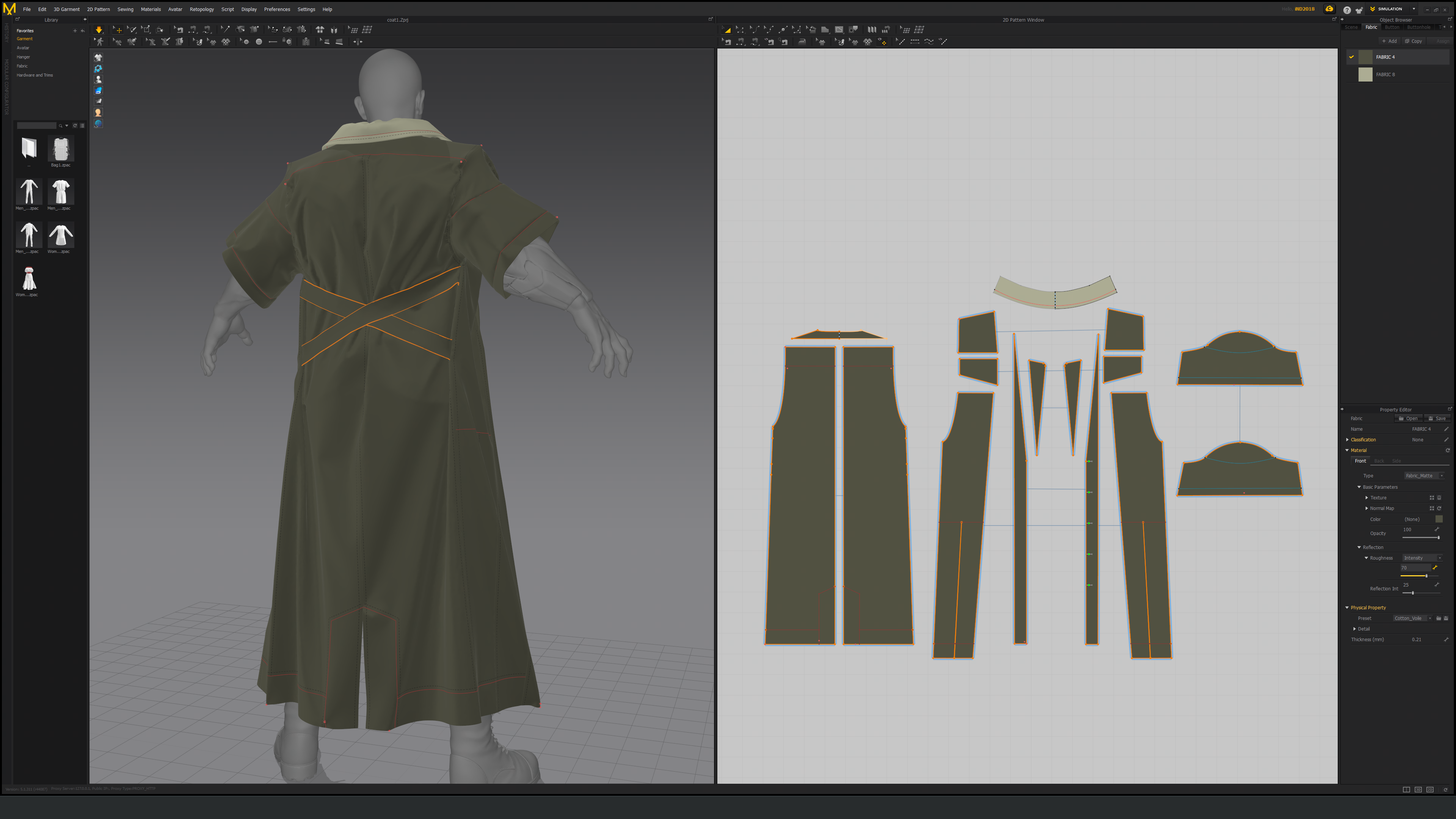
How would you describe your overall experience using Marvelous Designer?
Marvelous Designer’s UI is getting more intuitive and user-friendly, making it easy for both seasoned users and newcomers to pick up the basics quickly. The latest updates bring a big boost to GPU simulation accuracy, and the simulation speed is noticeably faster now. Trim simulations with collision are also much more precise, which makes things a lot more convenient for character artists.
by Tony Zhou
이 작업은 Marmoset, Maya, Substance, ZBrush, Avatar, Rendering 등의 기술로 제작되었습니다.
Marvelous Designer로 이와 같은 3D 의상·캐릭터 작업을 직접 만들어볼 수 있습니다.