Cinematic Homage: A Reinterpretation of Akira
Bridging anime imagination and grounded realism: How Soohwan Oh masters intricate leather textures and silhouettes with Marvelous Designer.
Discover the work and expert Marvelous Designer tips of Soohwan Oh in this exclusive series! [Go to Previous Post]
You’ve recreated the legendary motorcycle sequence from the anime Akira. When translating such an intense visual into 3D, what specific aspects of the clothing’s silhouette and texture did you focus on most?
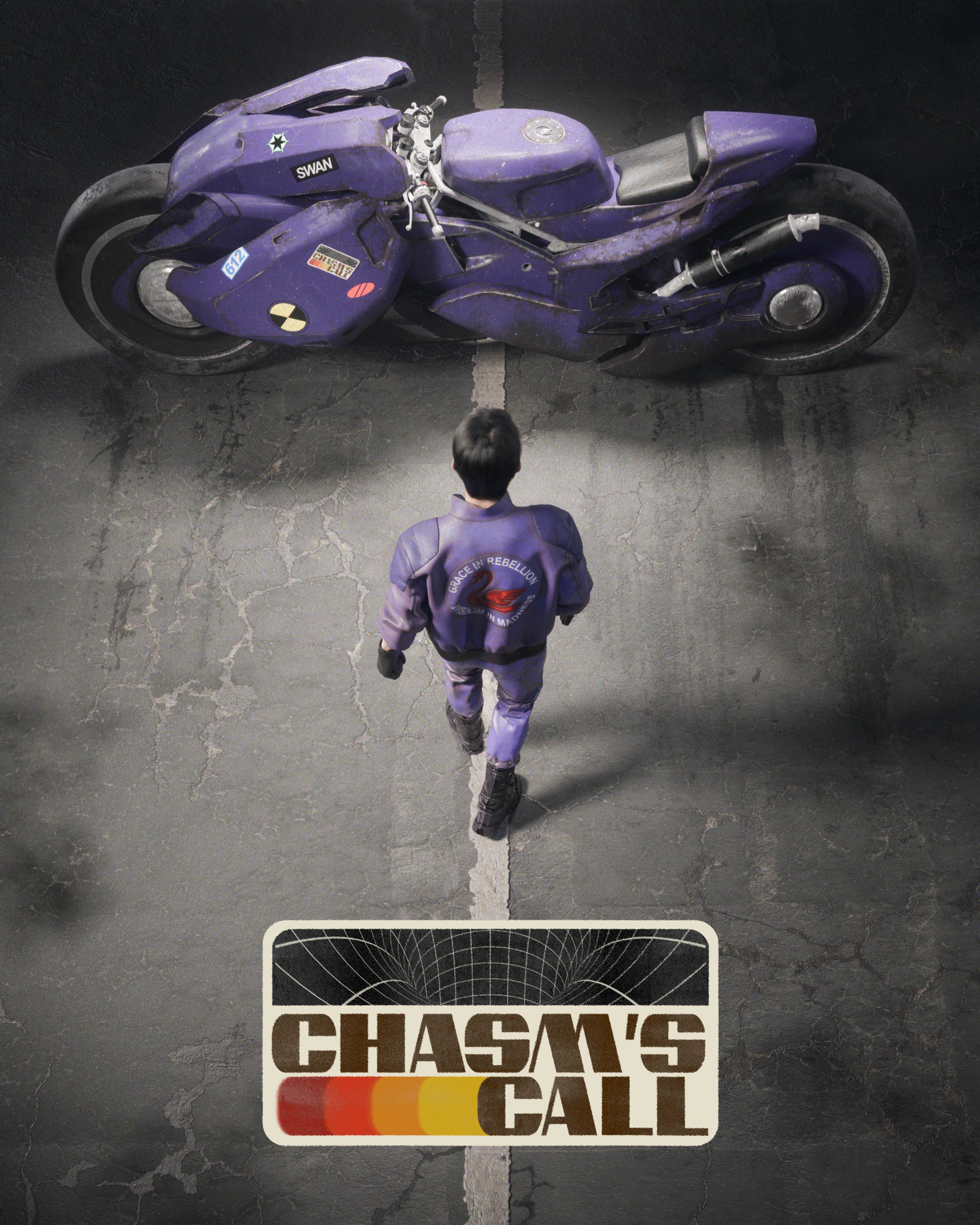
While the project was inspired by the original Akira, my primary goal was to maximize the sense of realism, as I was reinterpreting it through a photorealistic lens. At the same time, I felt it was crucial to preserve the visceral impact of the source material. To maintain that iconic presence, I opted for a monochromatic color scheme for the outfit. Specifically, I took a cue from the protagonist’s signature red suit but reinterpreted it in a deep purple to better reflect the unique mood and atmosphere of my character.
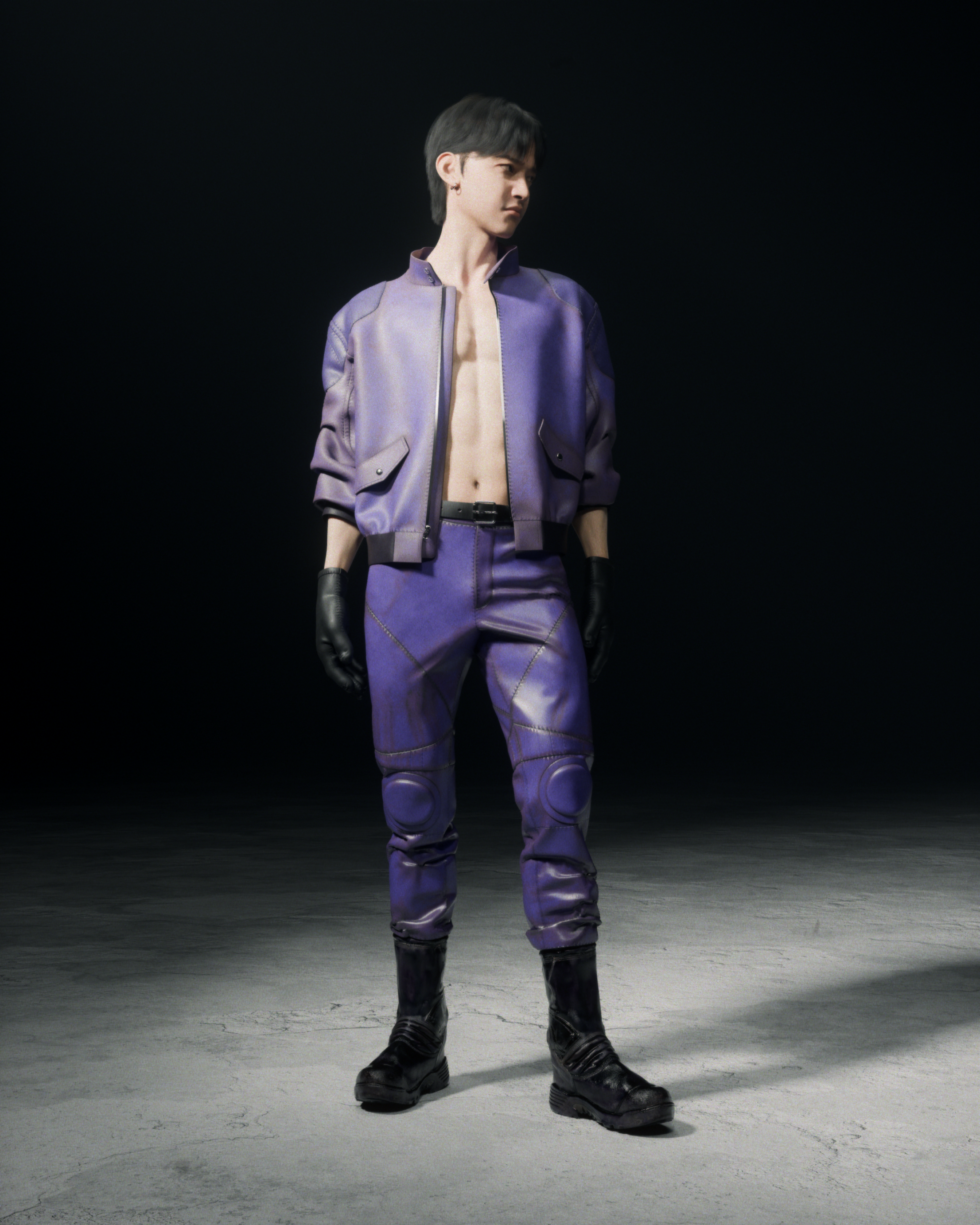
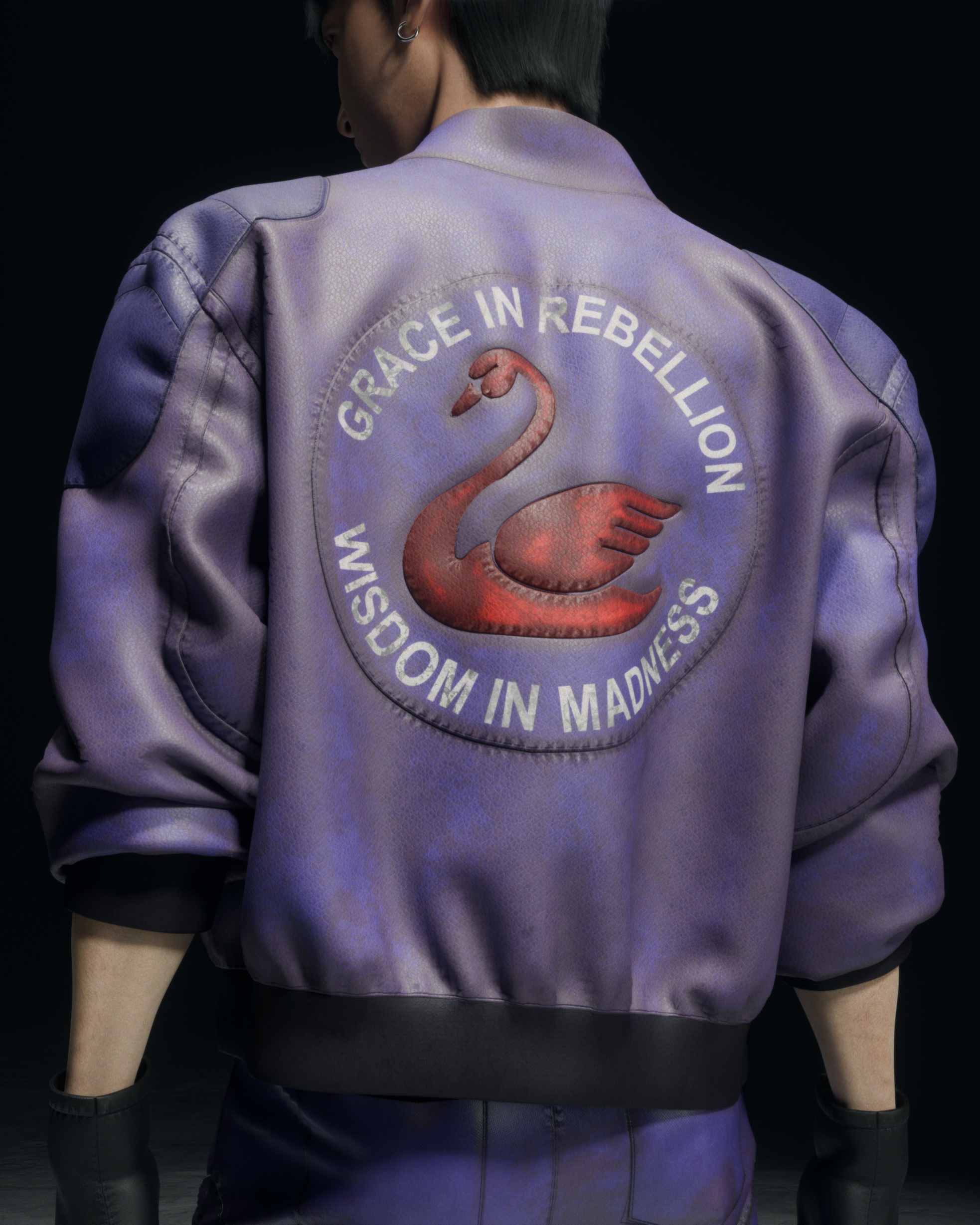 I designed the outfit with a sleek, form-fitting silhouette to clearly define the character’s frame. By opting for a stiff, heavy-weight leather, I was able to emphasize both structural integrity and a realistic tactile depth. To ensure the materials felt at home in a dystopian setting, I paid close attention to the weathering effects. Rather than going for an exaggerated, damaged look, I focused on achieving a sense of 'lived-in' realism—recreating the natural fading and subtle wear that comes from genuine, long-term use.
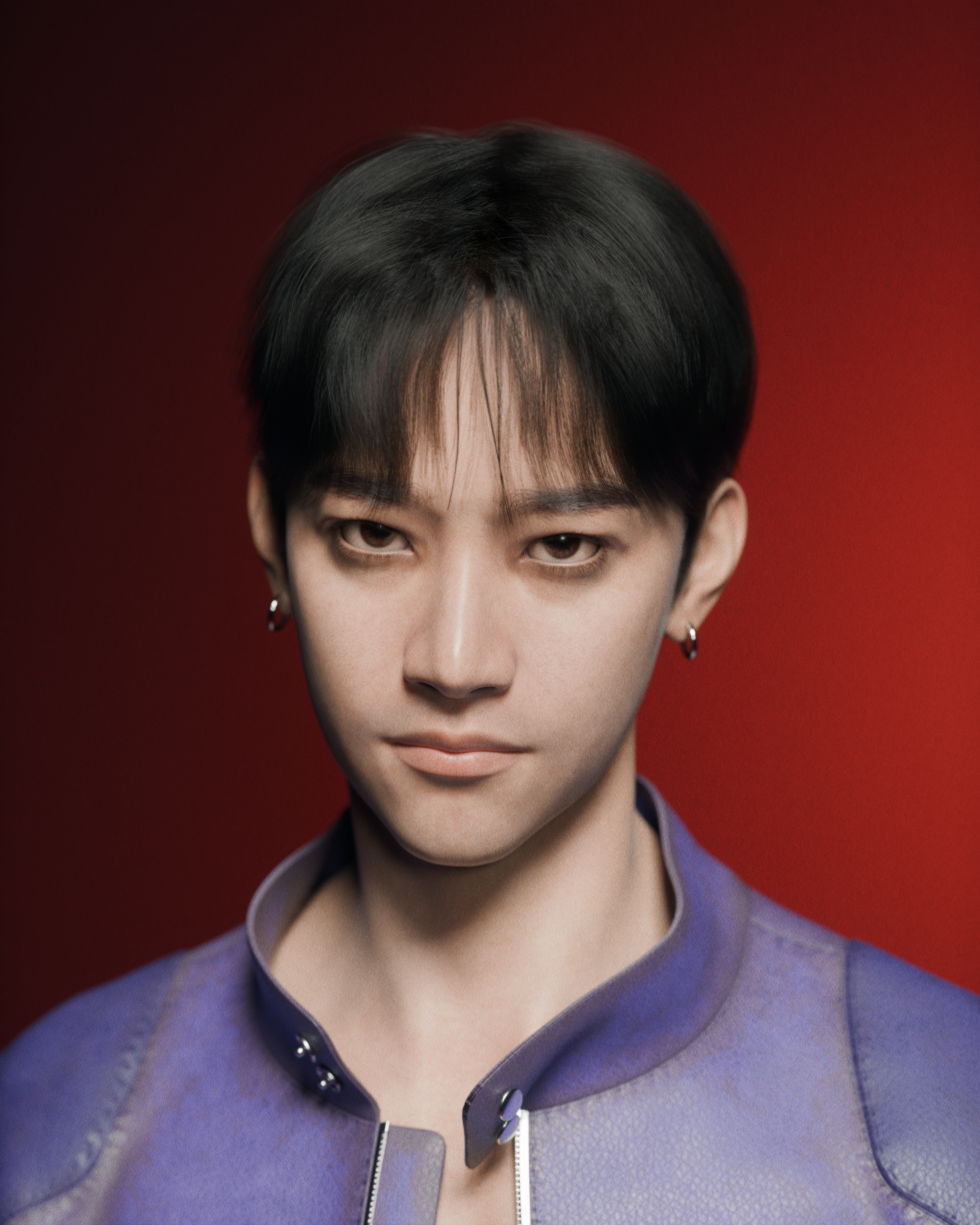
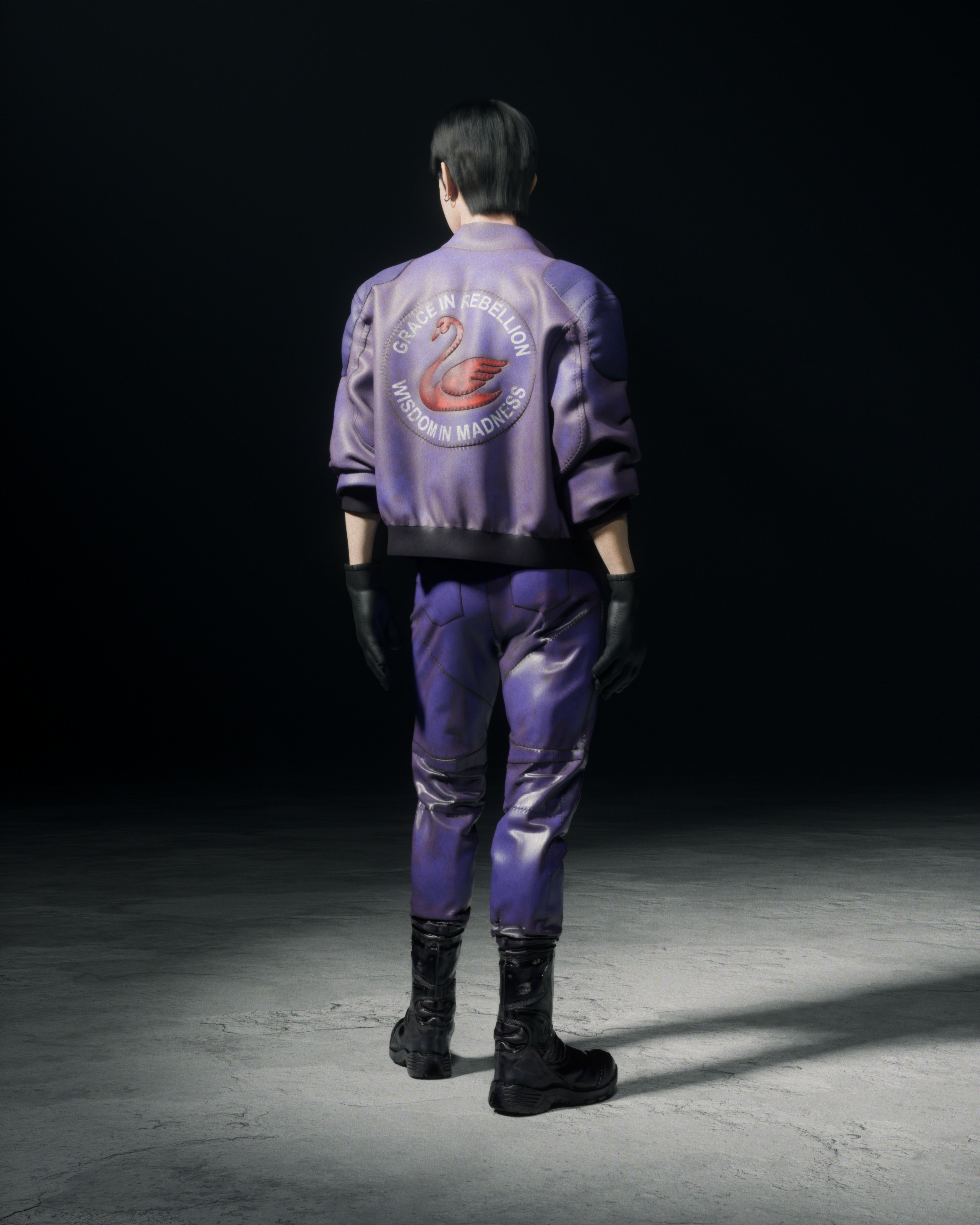
How did Marvelous Designer assist you in bridging the gap between the exaggerated wrinkles of the anime and high-end photorealistic 3D?
If you look at the bomber jacket in the original anime, the folds aren't scattered across the entire garment; instead, the design is defined by bold, chunky wrinkles concentrated specifically around the pushed-up sleeves. While the exact material isn't explicitly defined in the anime, I reinterpreted it as a thick, heavy leather, similar to a classic rider’s jacket.
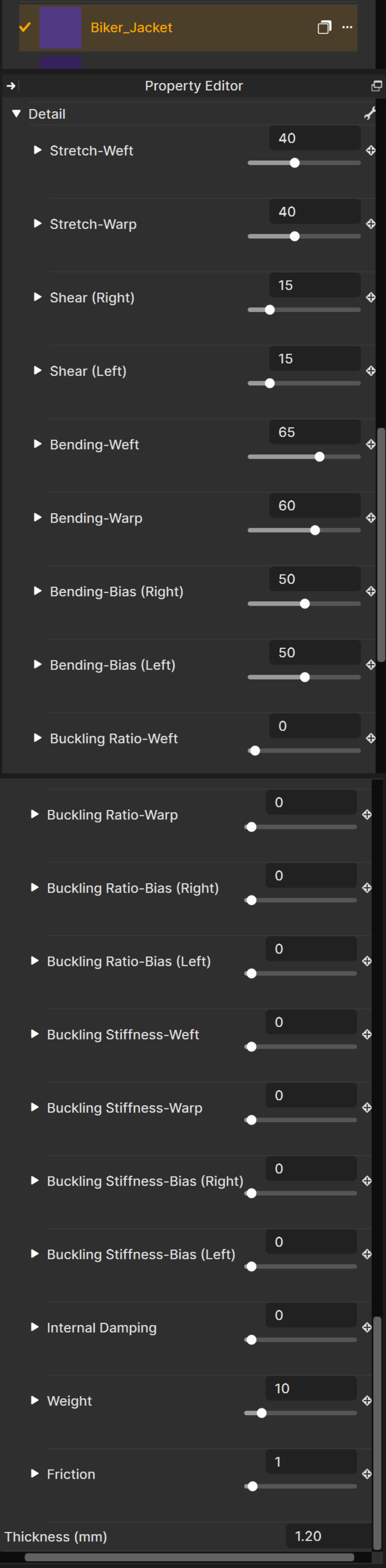
To achieve this in Marvelous Designer, I fine-tuned the fabric properties to suppress fine micro-folds and instead focused on emphasizing the bold, natural wrinkles created by the pushed-up sleeves. Considering the jacket’s rigid and heavy nature, I purposely increased the weight values to ensure its structural silhouette remained intact. I also dialed down the stretch and elasticity parameters to reflect the inelasticity of genuine leather, aiming for a more grounded and realistic tactile feel.
During the reinterpretation process, were there any specific costume details or layering strategies you introduced that reflect your own personal style, beyond what was in the original source material?
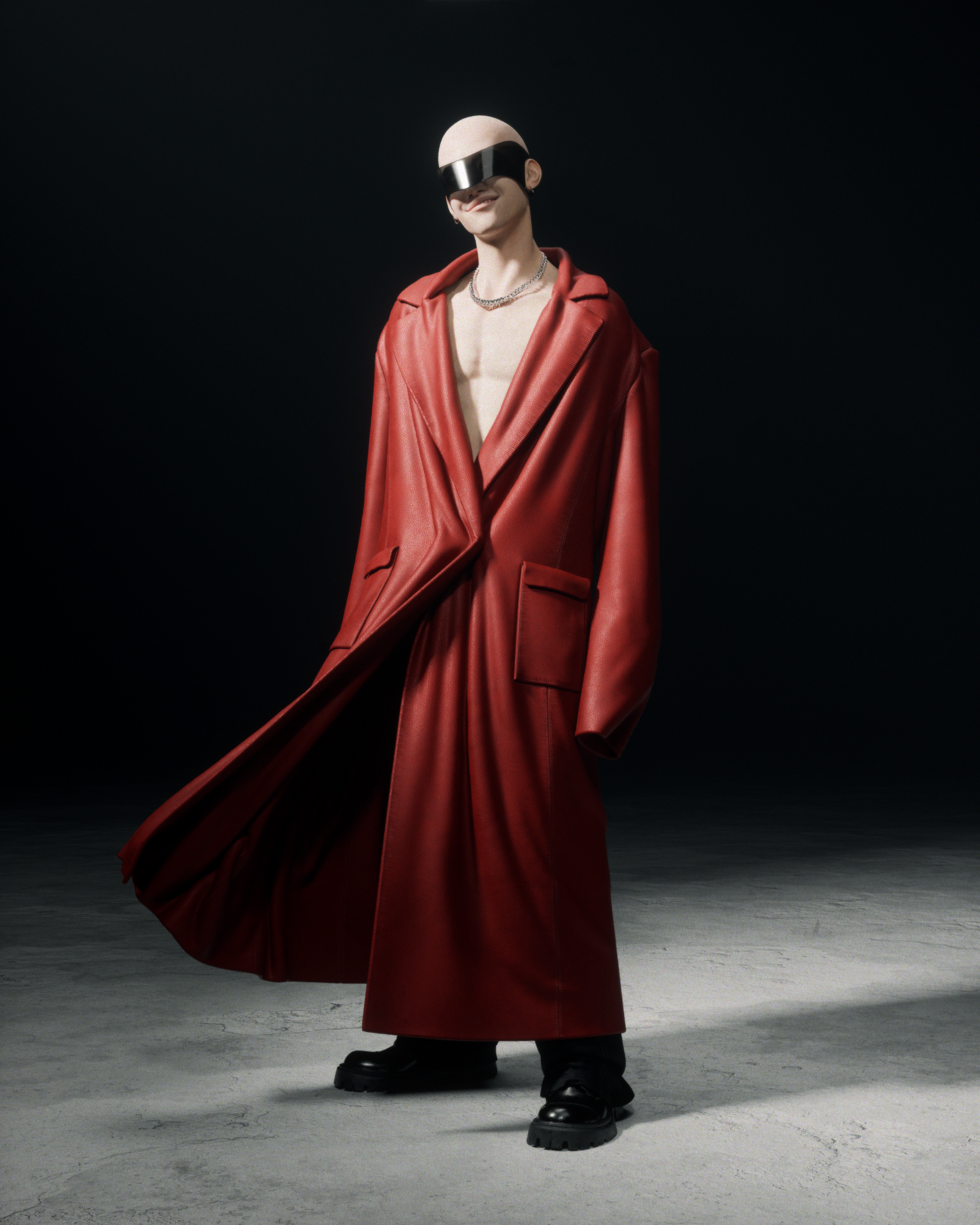
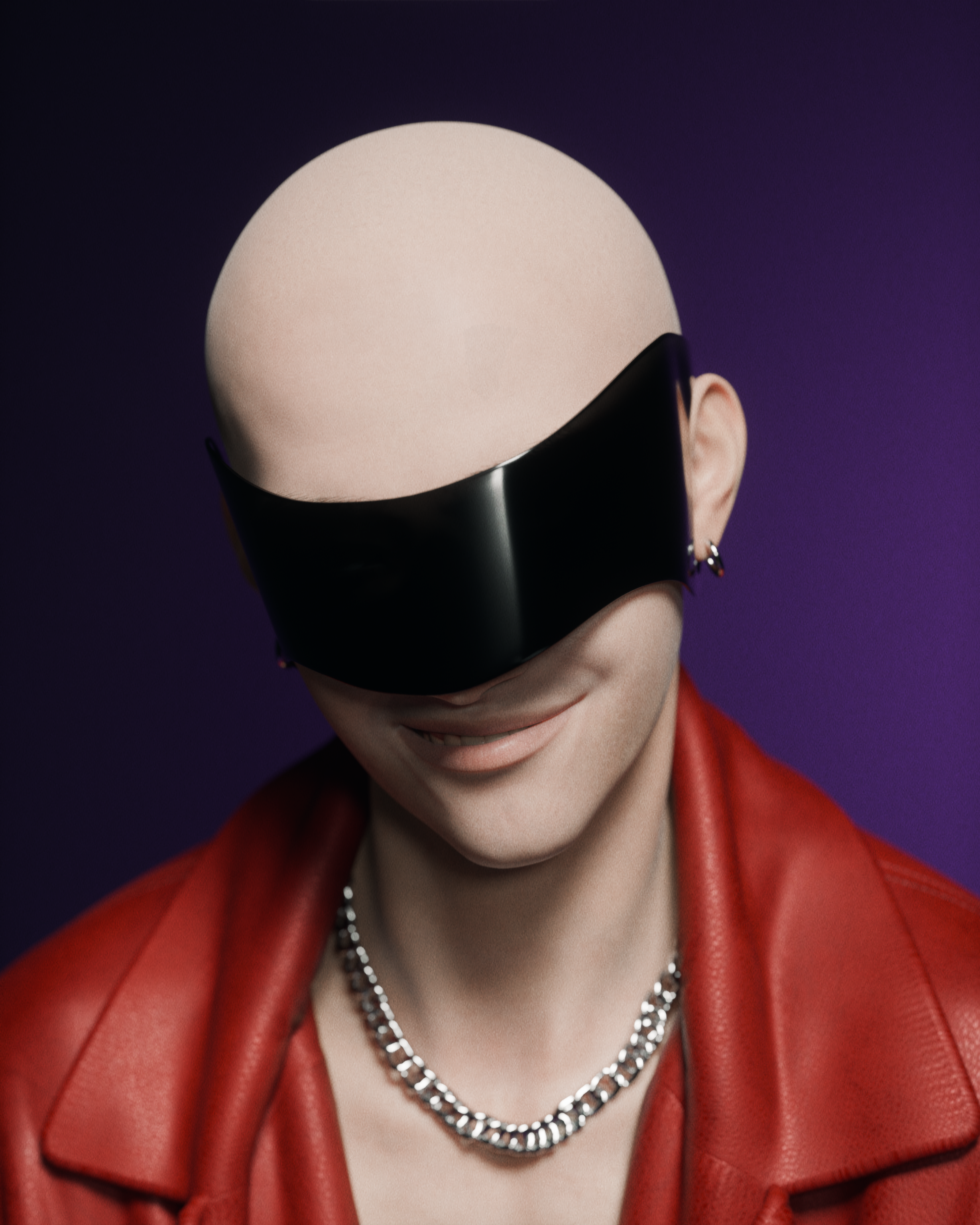
Since the original material is an anime, I felt that translating it directly into photorealism would create some visual dissonance. For example, the protagonist's oversized jacket—with its unrealistic volume for motorcycle riding—or the iconic red cape of the villain, Tetsuo, could feel out of place in a realistic graphic setting. I believed that the process of reinterpreting these elements with a more grounded logic was key to establishing my own unique style within the project.
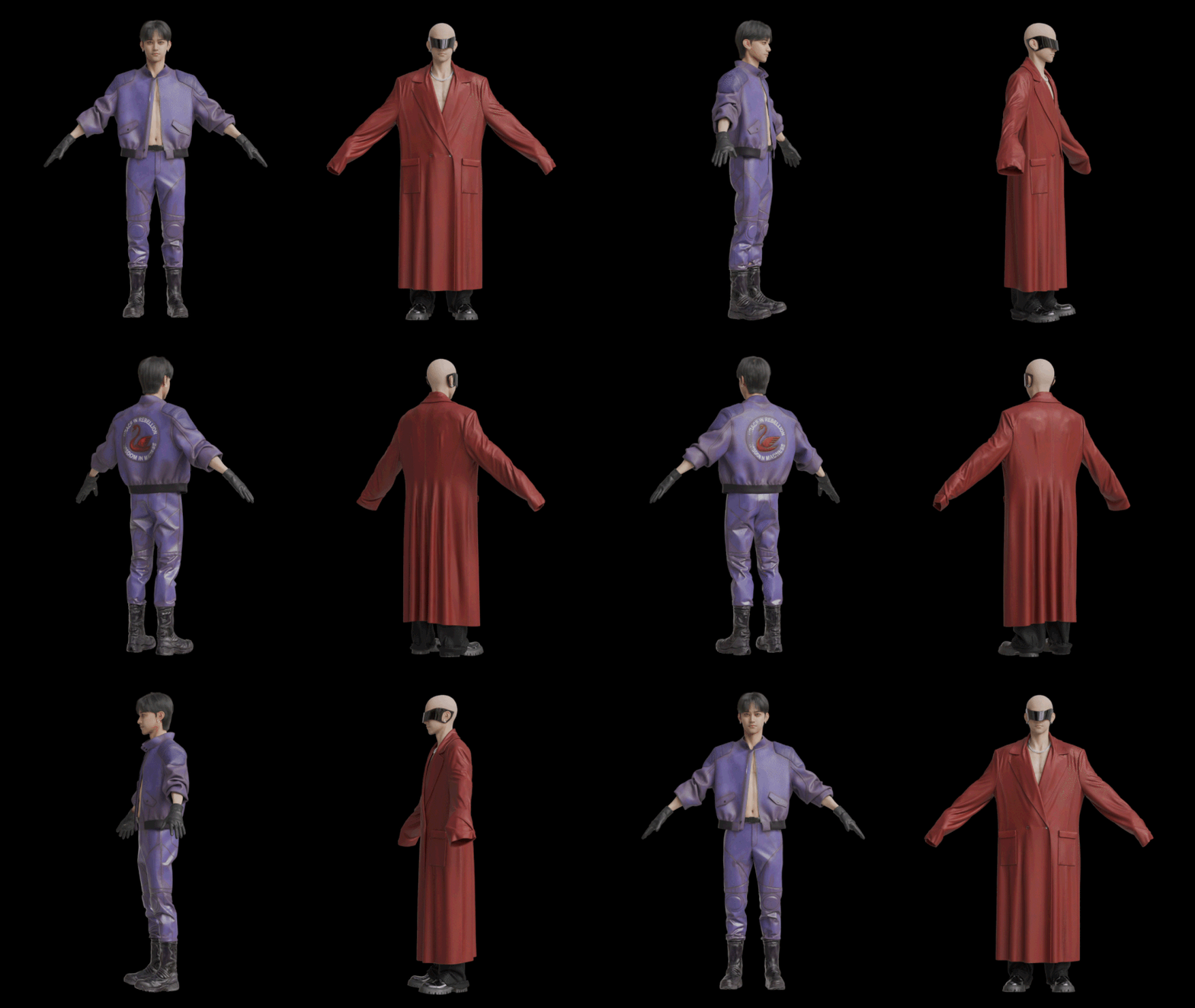
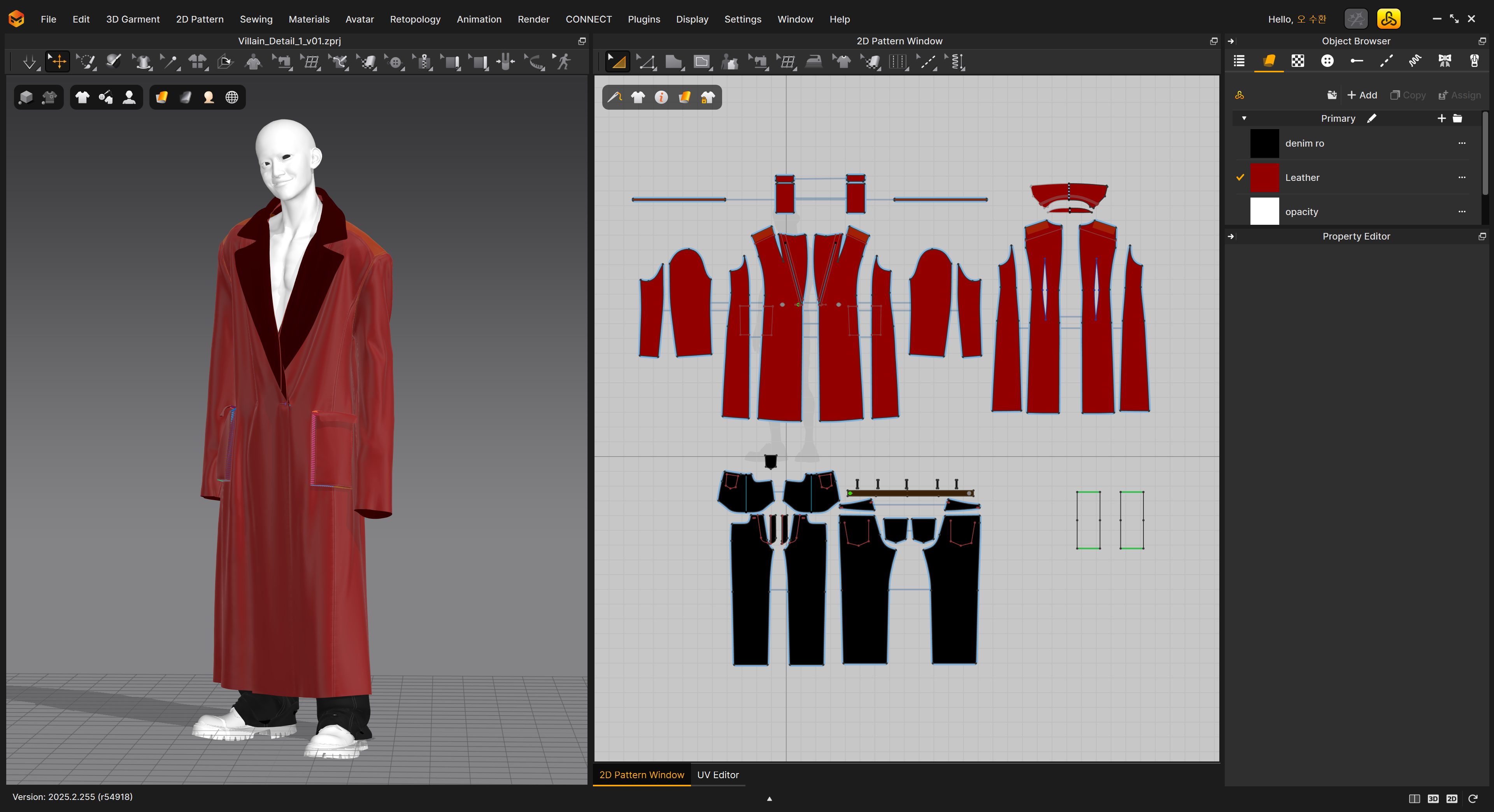
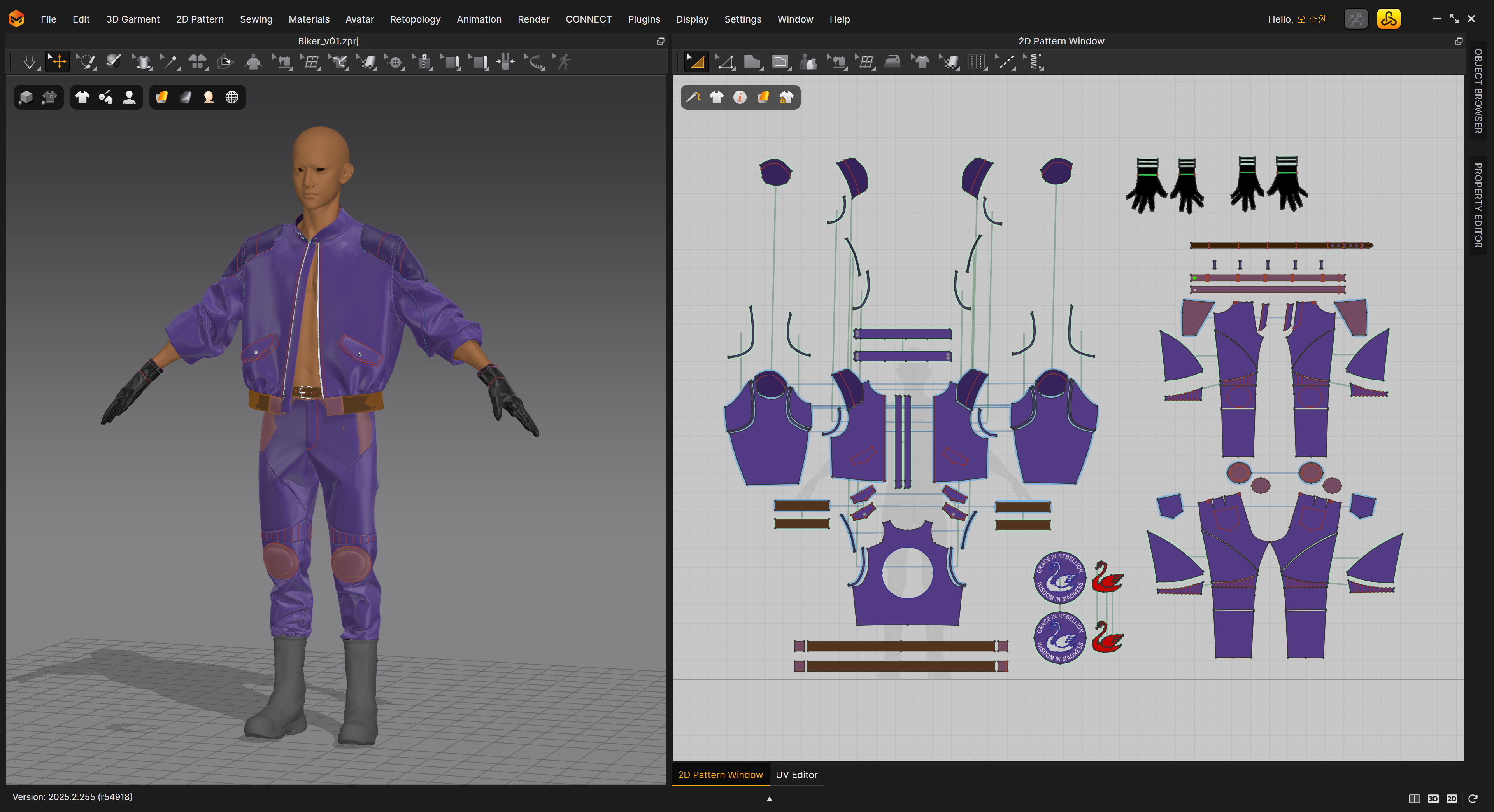 For the protagonist, I reconstructed the outfit using functional, realistic garment details to ensure it looked natural for an actual rider, drawing specific inspiration from Vetements collections for the intricate details on the jacket and trousers. As for the villain, rather than sticking to the original red cape, I reinterpreted it as a red long coat to provide a more grounded and substantial feel. I crafted the overall silhouette and style in a modern, sophisticated direction, referencing Balenciaga’s lookbooks to achieve a refined, high-fashion edge.
Stay tuned for our special series featuring Su-hwan Oh’s diverse portfolio and his expert Marvelous Designer know-how!
이 작업은 Animation, Avatar, Material, Rendering, Blender, Retopology 등의 기술로 제작되었습니다.
Marvelous Designer로 이와 같은 3D 의상·캐릭터 작업을 직접 만들어볼 수 있습니다.