Game Cinematics
Diana Sindel at Digic Pictures shares how they used Marvelous Designer in Assassin's Creed, The Witcher 3, and MeTube 2 projects.
Diana Sindel | Game Cinematics | Junior character artist in Digic Pictures
Can you briefly introduce yourself?
My name is Diana Sindel. I started working at Digic Pictures as a junior character modeler three years ago, and currently I am the only one who uses Marvelous Designer at Digic Pictures. Previously, I worked in the clothing industry and as a 2D graphic artist. Later, I started learning 3D graphics on my own, as a hobby. With the help of Marvelous Designer, I can employ both my computer graphics and apparel production skills at the same time.
Would you recommend Marvelous Designer to a CG artist and why?
Marvelous Designer is very user friendly, and one can quickly get used to its interface. Due to my experience in apparel making, using Marvelous Designer is the fastest and easiest pattern based modelling method for creating realistic simulated clothes. It is very useful that, in contrast to poly modelling, I can add more material to the fabric in a controlled way, which makes it easier to create realistic cloth simulation. One of the major drawbacks of traditional poly modelling is that during simulation, clothes start to stretch and "tear", because artists can't properly define the amount of extra material that is required to make it look realistic (in case of shirt sleeves or the back of a jacket, for example).
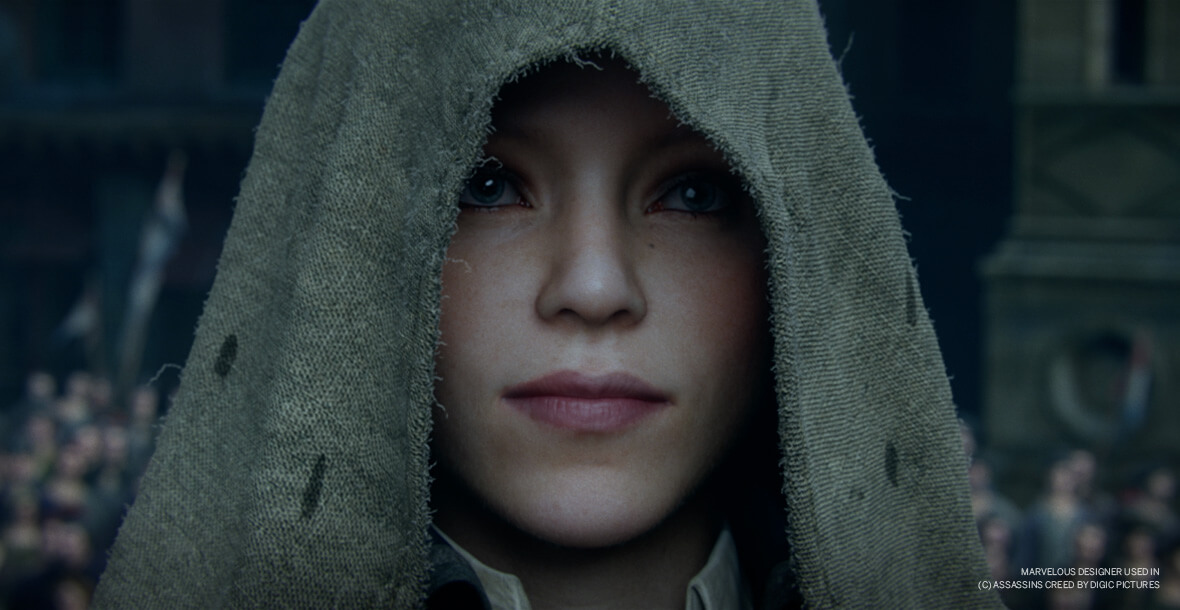
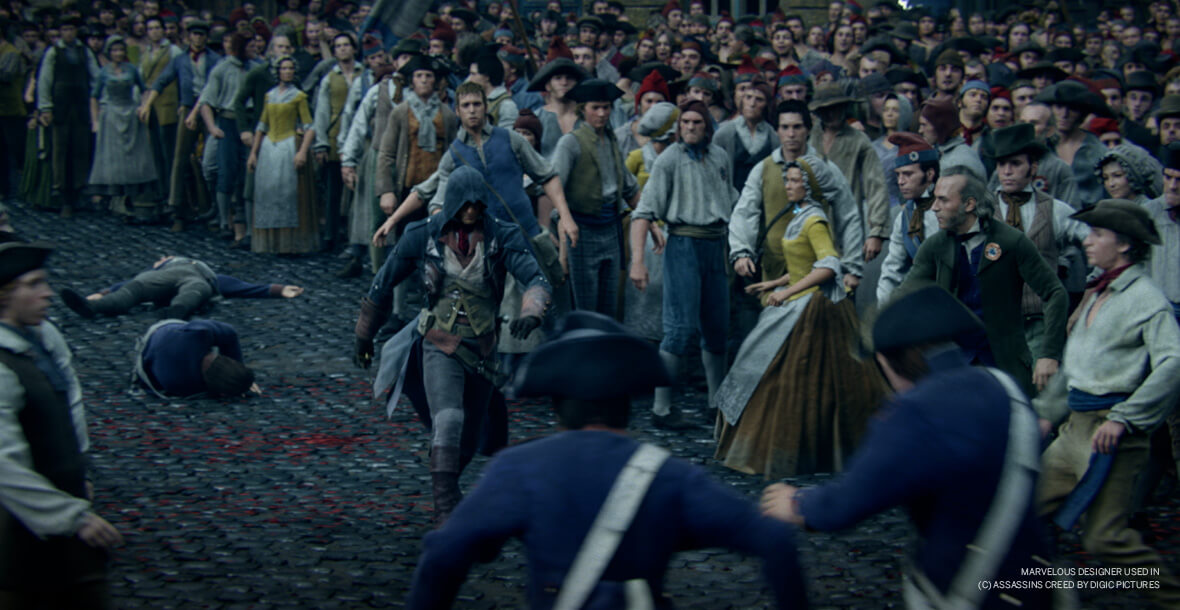
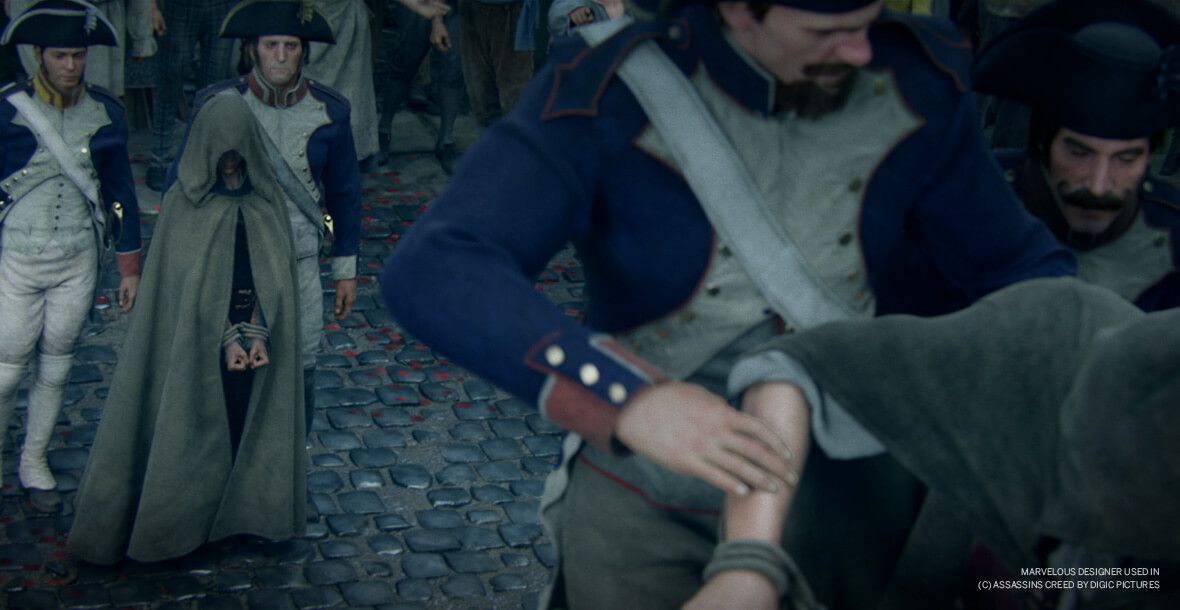
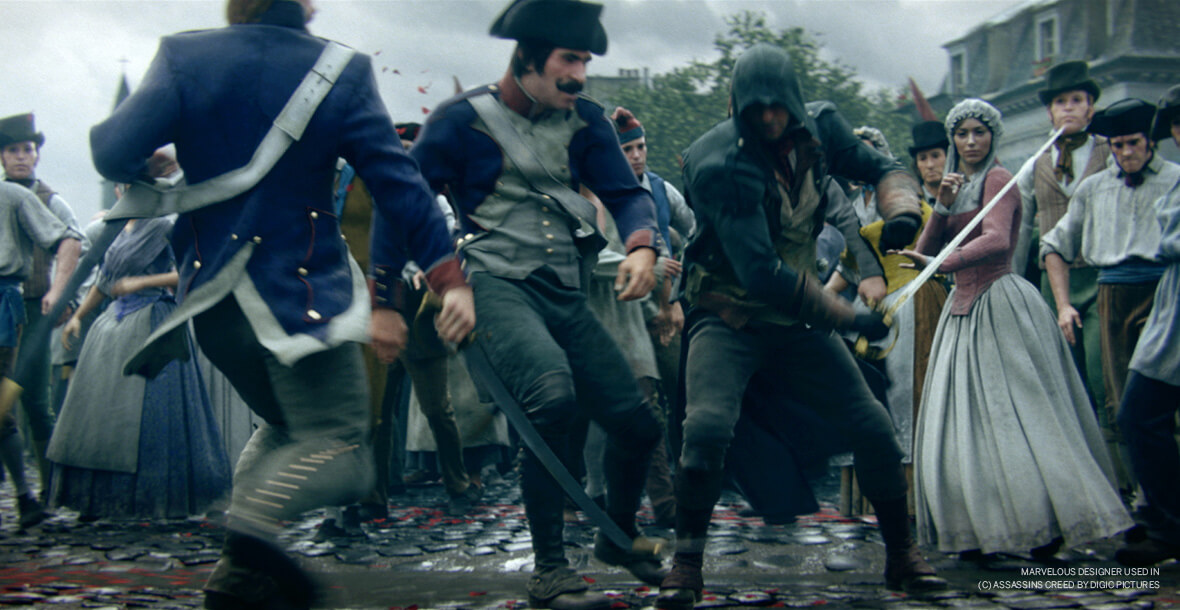
In your project, what were the elements where Marvelous Designer was used?
I used Marvelous Designer while working on Assassin's Creed, The Witcher 3, MeTube 2 and several other projects. I have used it predominantly for making clothes and various garments (scarves, caps, gloves, shirts, tees, trousers, skirts). Later, I started designing accessories in Marvelous Designer, too (tents, foils, body bags, draperies, pillowcases, curtains and custom MoCap suits for dogs and horses).
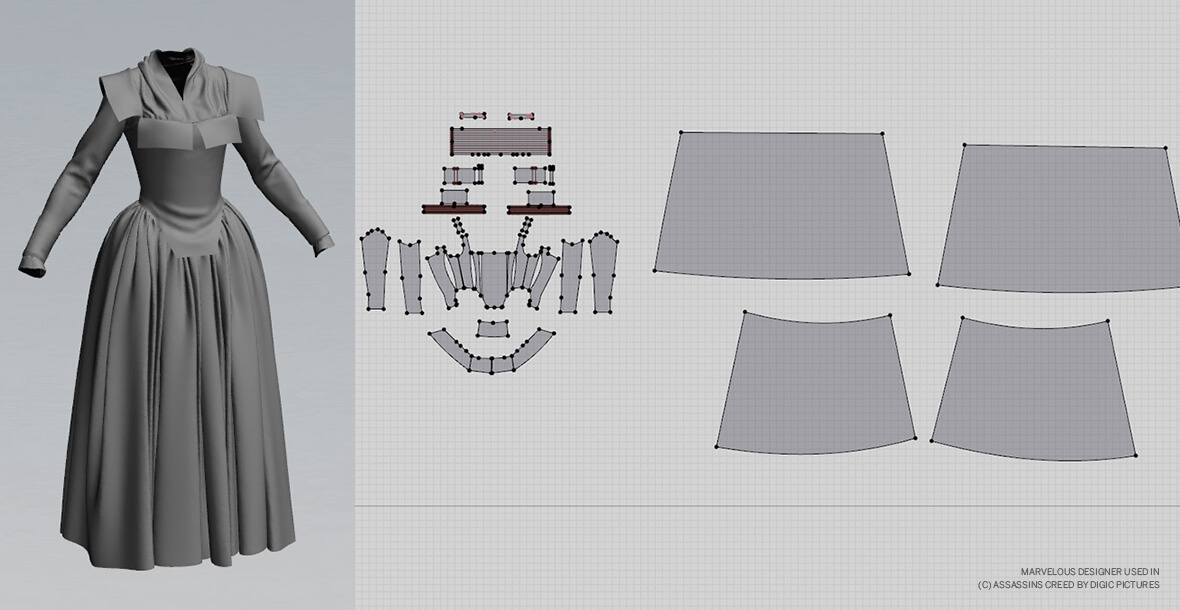
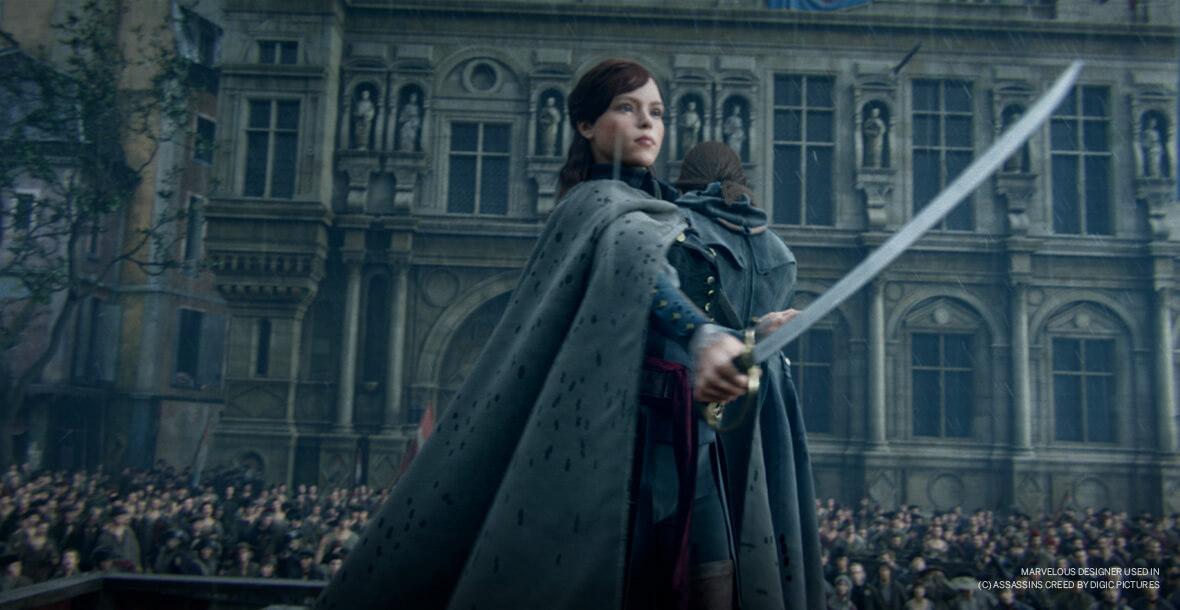
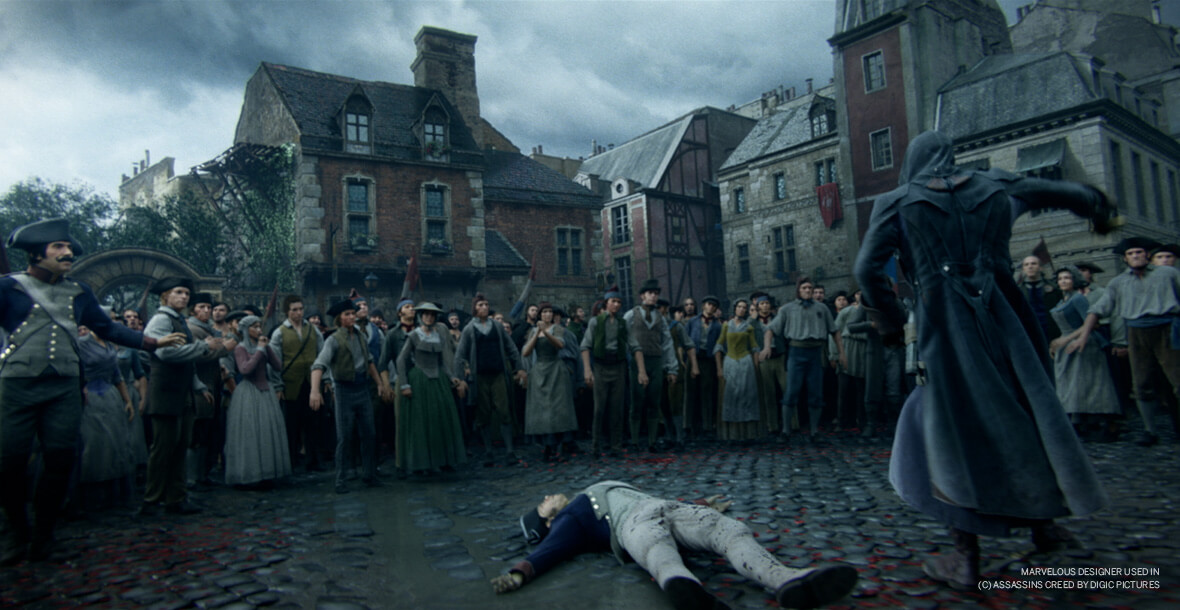
Could you describe challenges in which Marvelous Designer was of use to you and go into detail regarding how Marvelous Designer helped overcome them?
The most challenging thing for me was sewing the MoCap suit for a horse. I created the pattern in Marvelous Designer, and used it to sew the suit itself. After measuring the horse, we created an avatar that I used to make the suit, and by importing the data of the moving horse (Maya cache) we could also simulate the suit to see how it fits. It was very helpful that we could set the material quality of the suit, and during the tests, we could see where we need extra fabric, and where we should make it more formfitting. There were several errors that came to surface this way before the actual sewing took place, and thus the horse required less fitting sessions.
Which features would you want to see from Marvelous Designer in future versions?
Some basic movements: bending/flexing of the arms and legs, and thus creating wrinkles on the clothes and sewing in a 3D view a possibility to freeze in one pattern (not by using pins) it is difficult to work with more than one layers during simulation, because they are often simulated together despite their different settings.
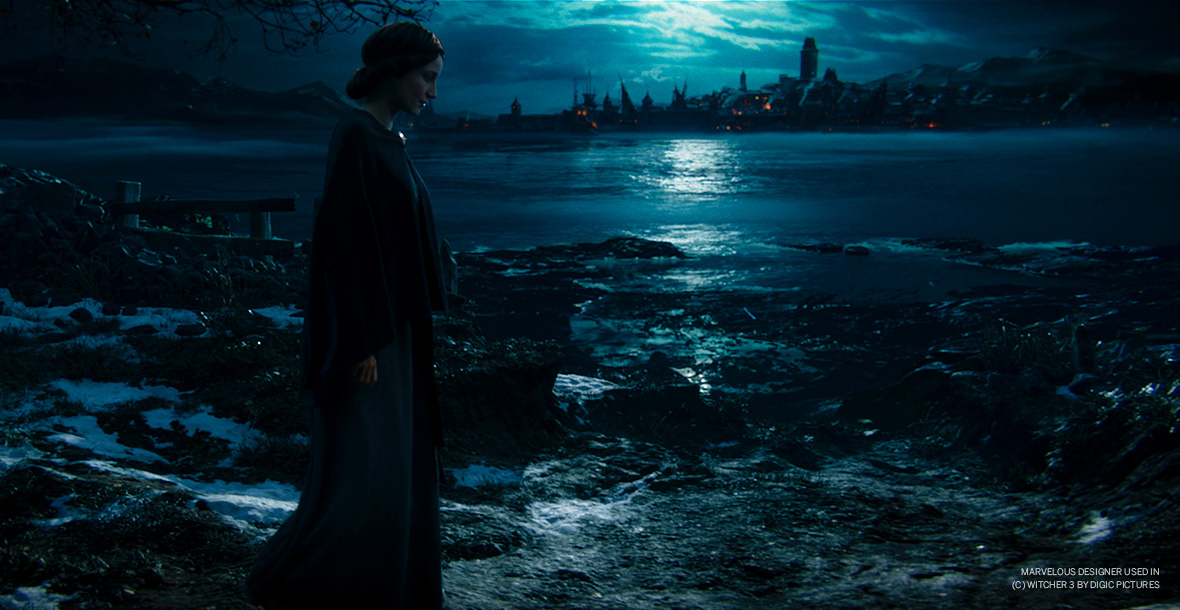
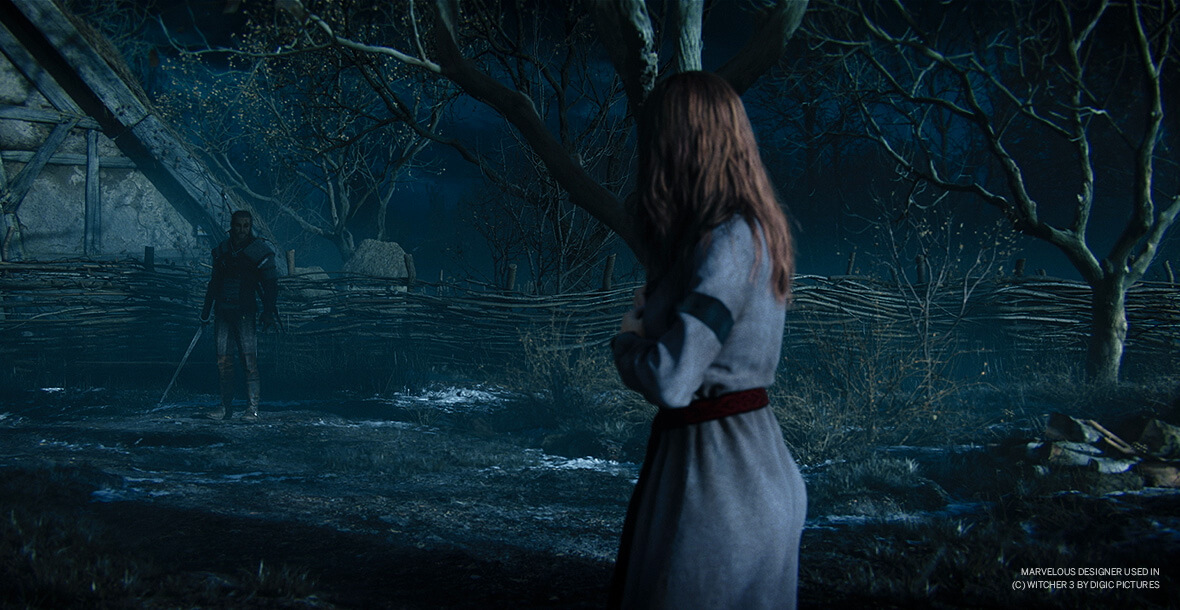
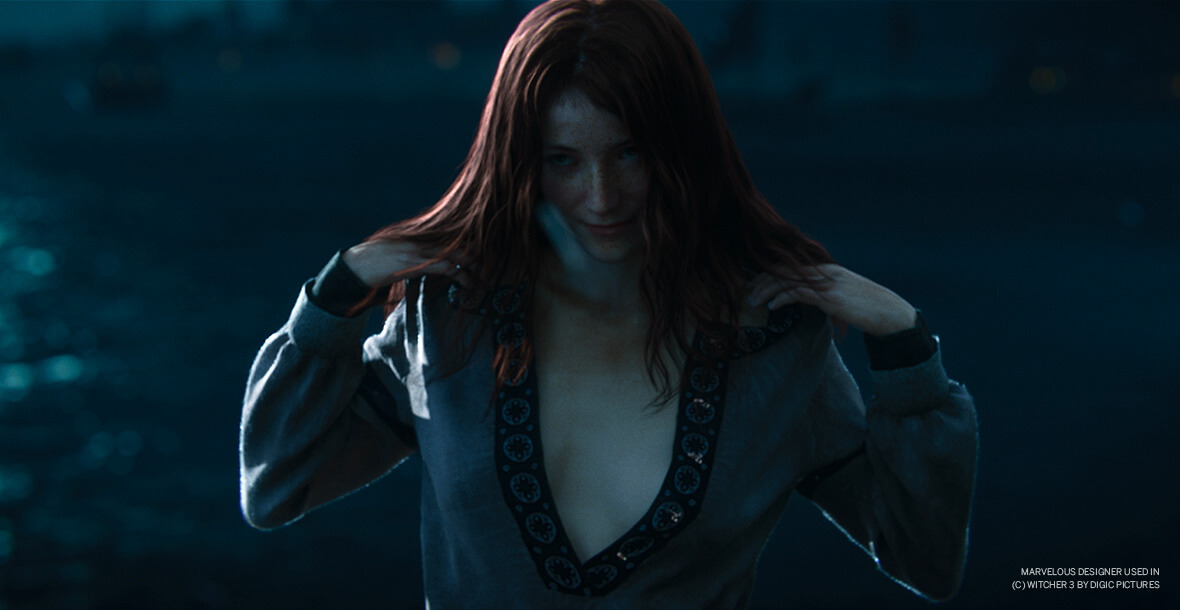
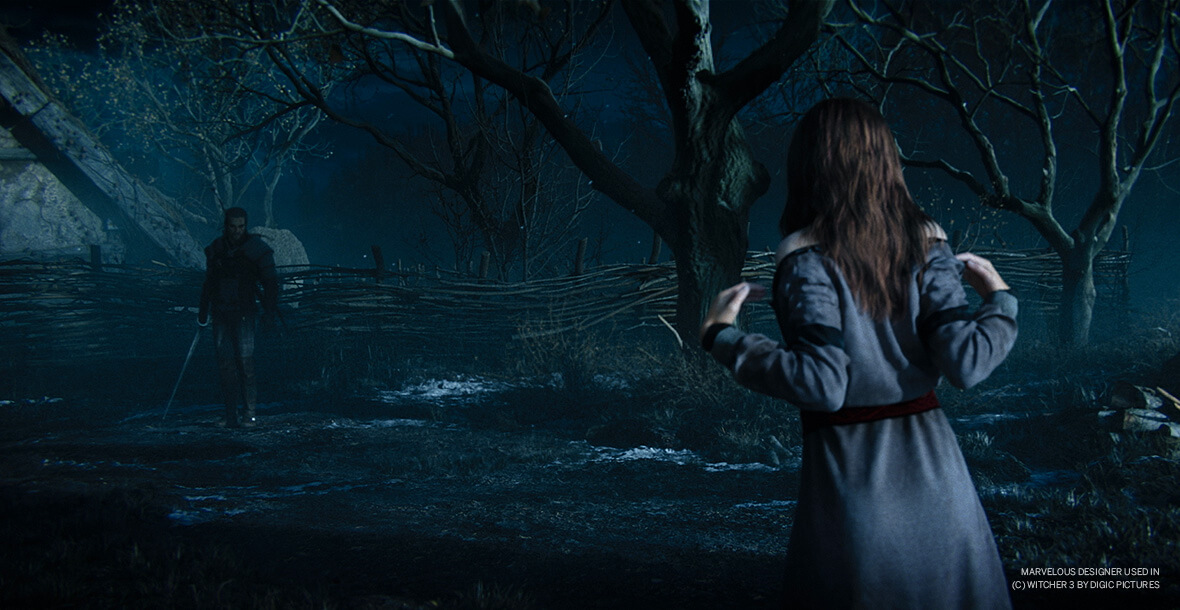
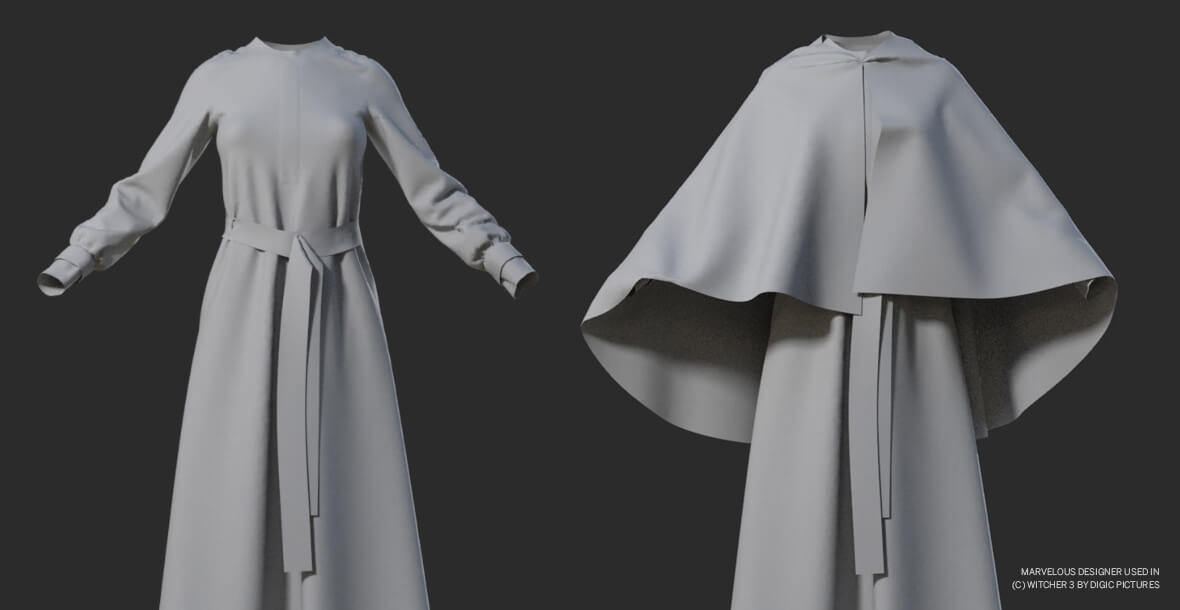
이 작업은 game, cinematics, Animation, Material, Retopology, Simulation 등의 기술로 제작되었습니다.
Marvelous Designer로 이와 같은 3D 의상·캐릭터 작업을 직접 만들어볼 수 있습니다.