Concept Designer Eyelashes: Building the Retro-Sci-Fi World of "Paradise Lost"
How do you paint history into a futuristic language? In his solo project Paradise Lost, concept designer Eyelashes did just that. Powered by Marvelous Designer for seamless costume creation, his retro-sci-fi universe is both haunting and beautiful.
Let's dive in.
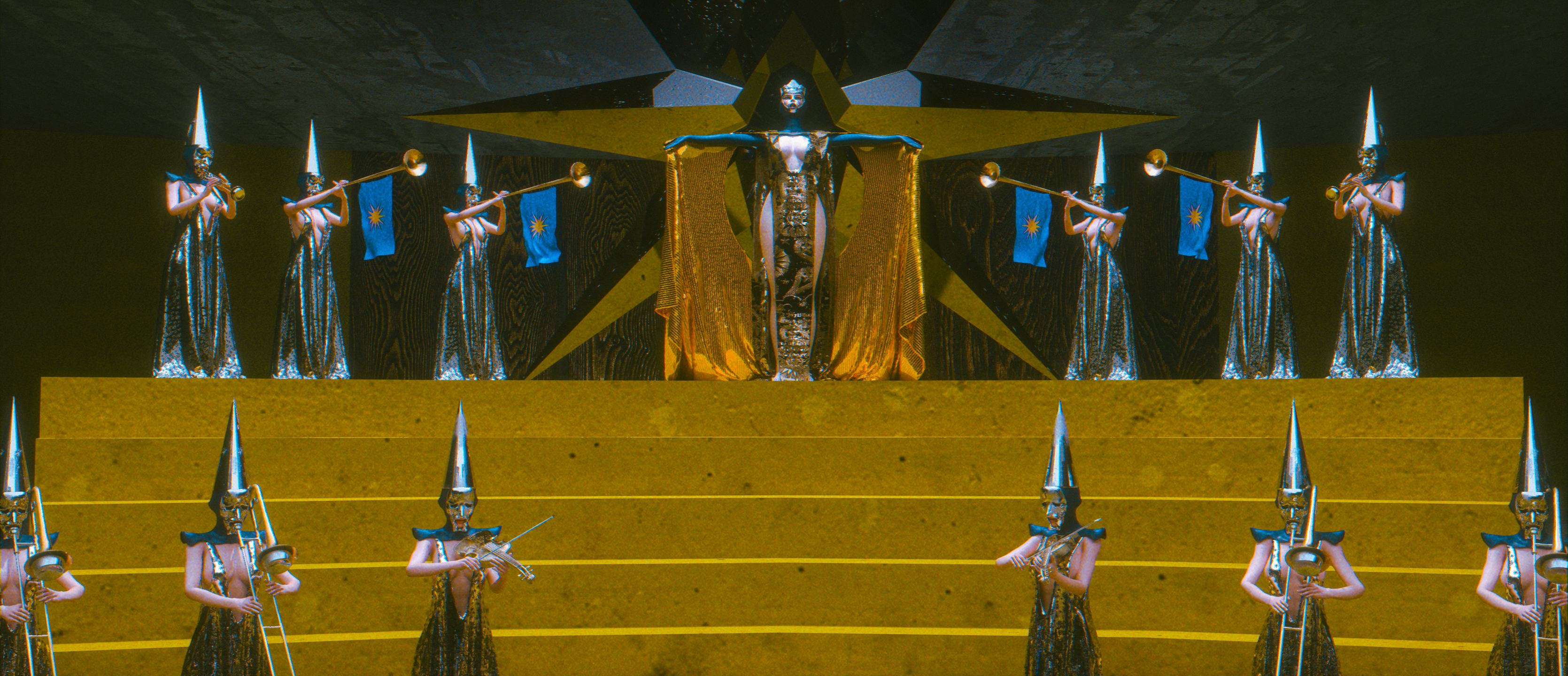
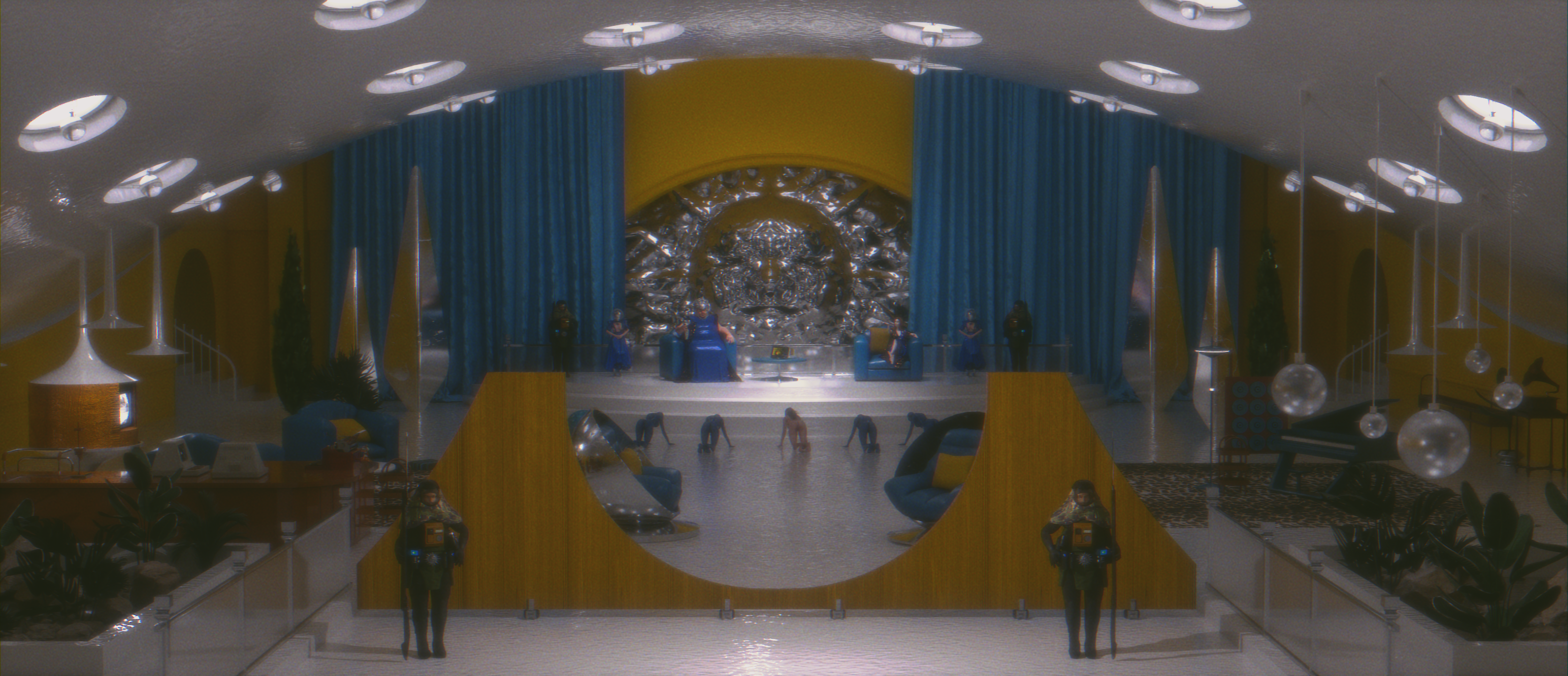
Welcome to the Marvelous Designer User Spotlight! Could you briefly introduce yourself and share the main focus of your current creative work?
Hello everyone! I'm a freelance concept designer from China, and you can call me Eyelashes. My daily work mainly consists of freelance concept design outsourcing, and in my spare time, I create my own personal IPs. Currently, my personal work relies heavily on a 3D workflow, as I believe it better showcases my designs and ideas. I am mainly focusing on sci-fi world-building, and I hope to develop a highly distinct and complete personal style in the future.
The world-building in Paradise Lost is incredibly fleshed out: retro-futurism, old nobility, a forbidden city beneath a manor, desire, and decay. Where did this concept initially begin?
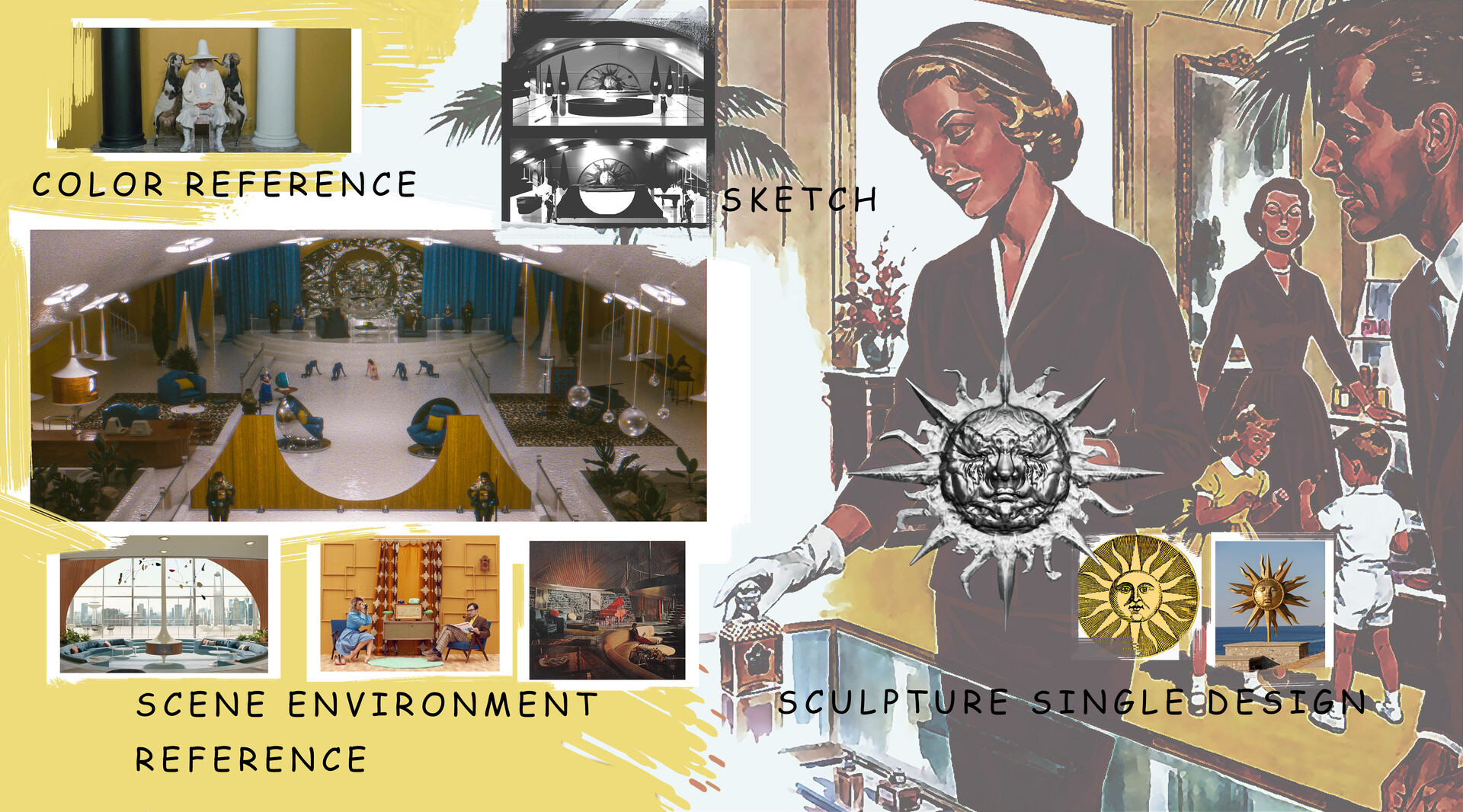
The ideation for this concept was quite interesting. The earliest inspiration came from watching films like Eyes Wide Shut, The Holy Mountain, and 2001: A Space Odyssey, which sparked my interest in retro sci-fi. The hidden desires behind the masks in Eyes Wide Shut, the frantic yet sacred ritualism in The Holy Mountain, and the silent sci-fi thriller vibes of 2001: A Space Odyssey—I felt certain tones from these films perfectly aligned with the theme I wanted to explore.
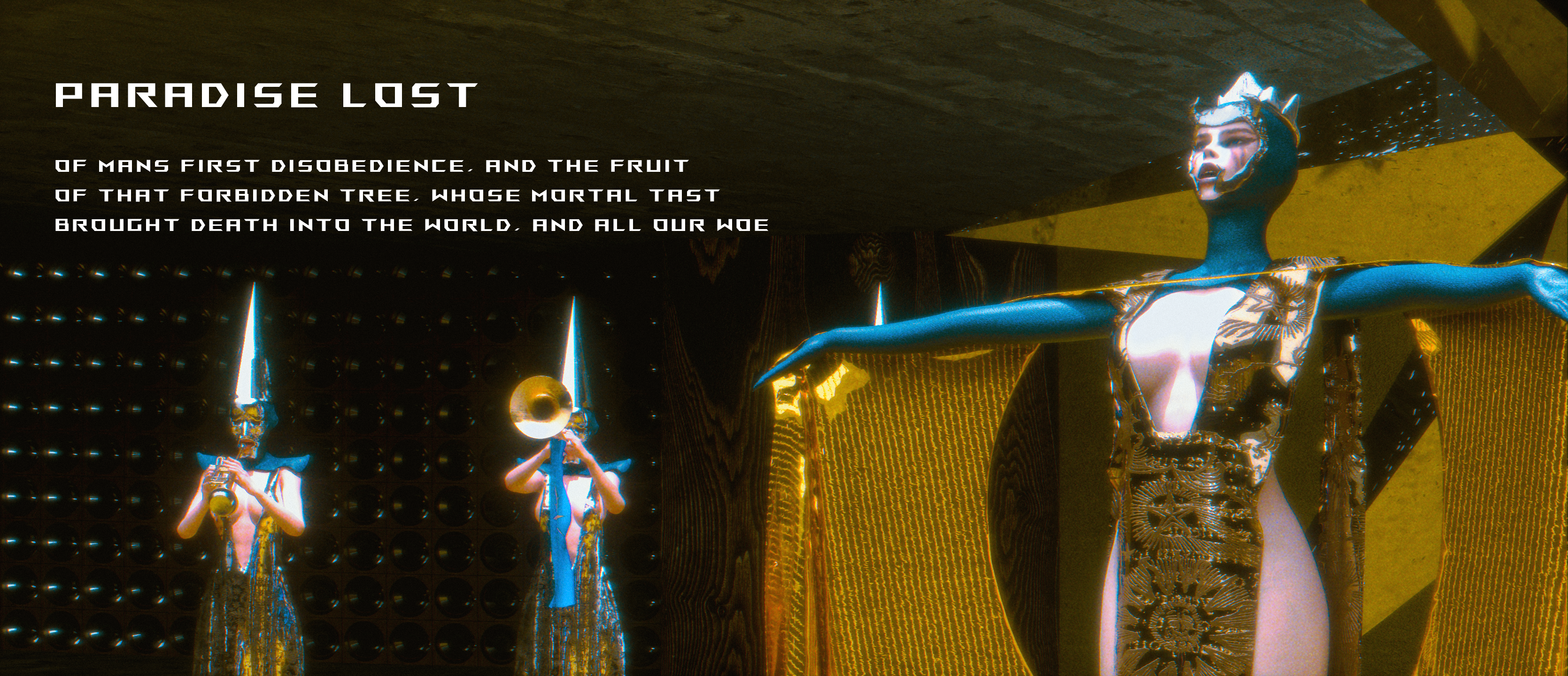
So, I combined them with my own ideas to express this universe: In an alternate retro-futuristic world, the old nobility indulges in their final glory. Sin and desire are poured beneath the manor, constructing a forbidden city built solely for their own pleasure, codenamed "Paradise Lost." The world is suspended in the rift between the past and the future; the old nobility has long decayed, addicted to insatiable greed and hedonism.
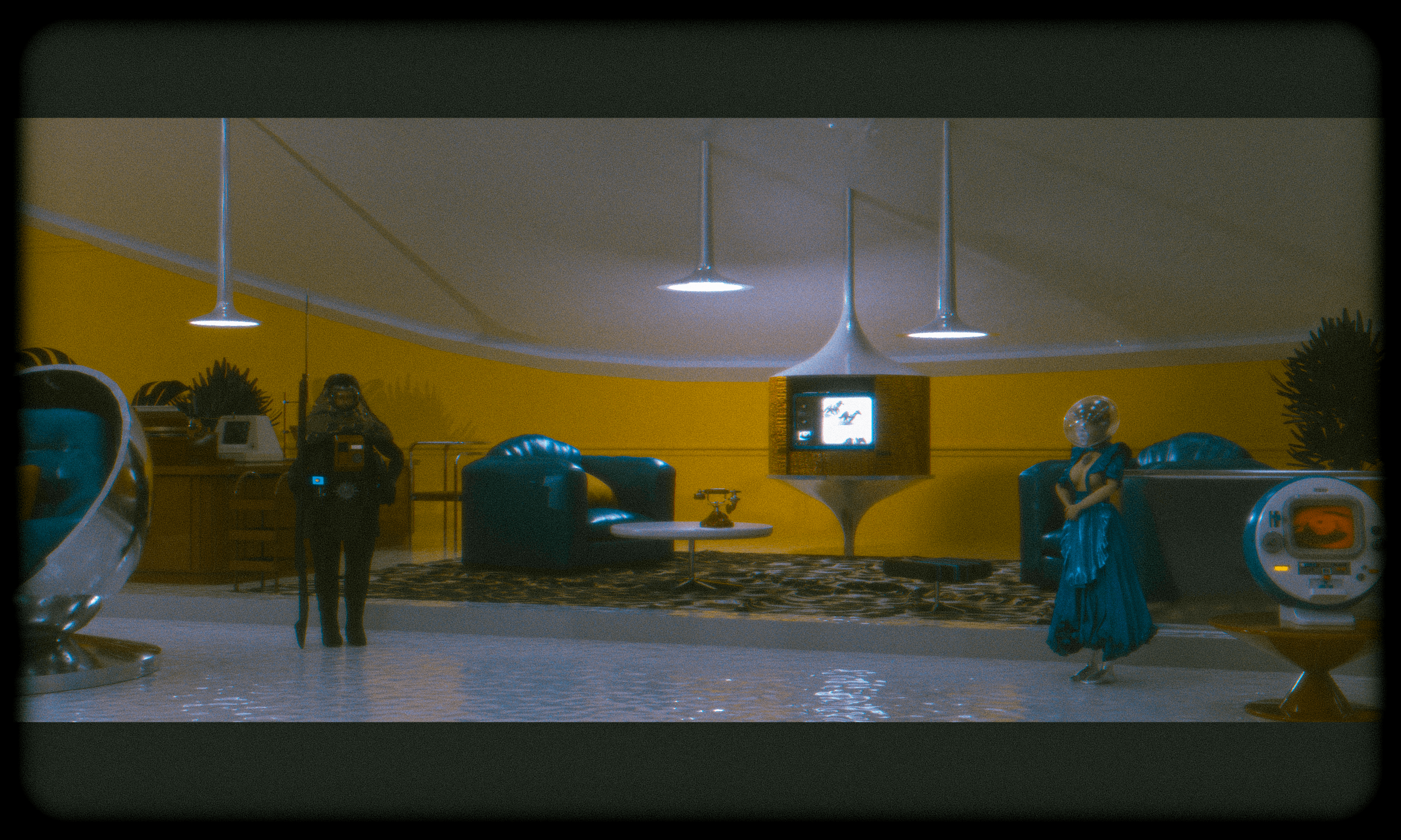
Your work captures both the opulence of the old nobility and the stark, cold aesthetic of futurism. How did you establish this visual language?
I browsed through a massive amount of color archives of the French royal family—not just looking for patterns, but curious about how power narrates itself through color. The gold of Versailles is a monopoly on light, and royal blue is a metaphor woven into the fabric. My goal was to translate this historical grammar into a futuristic language.
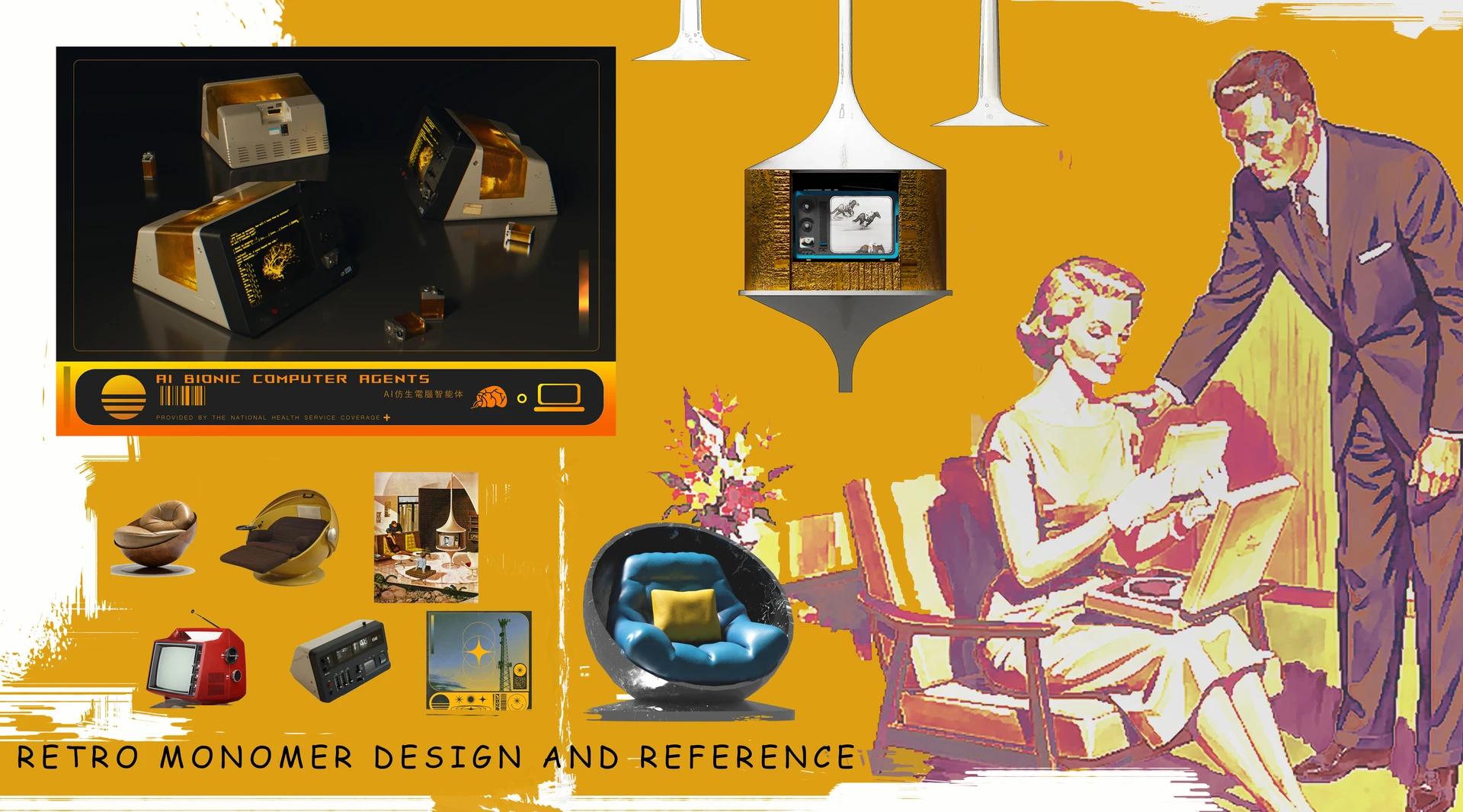
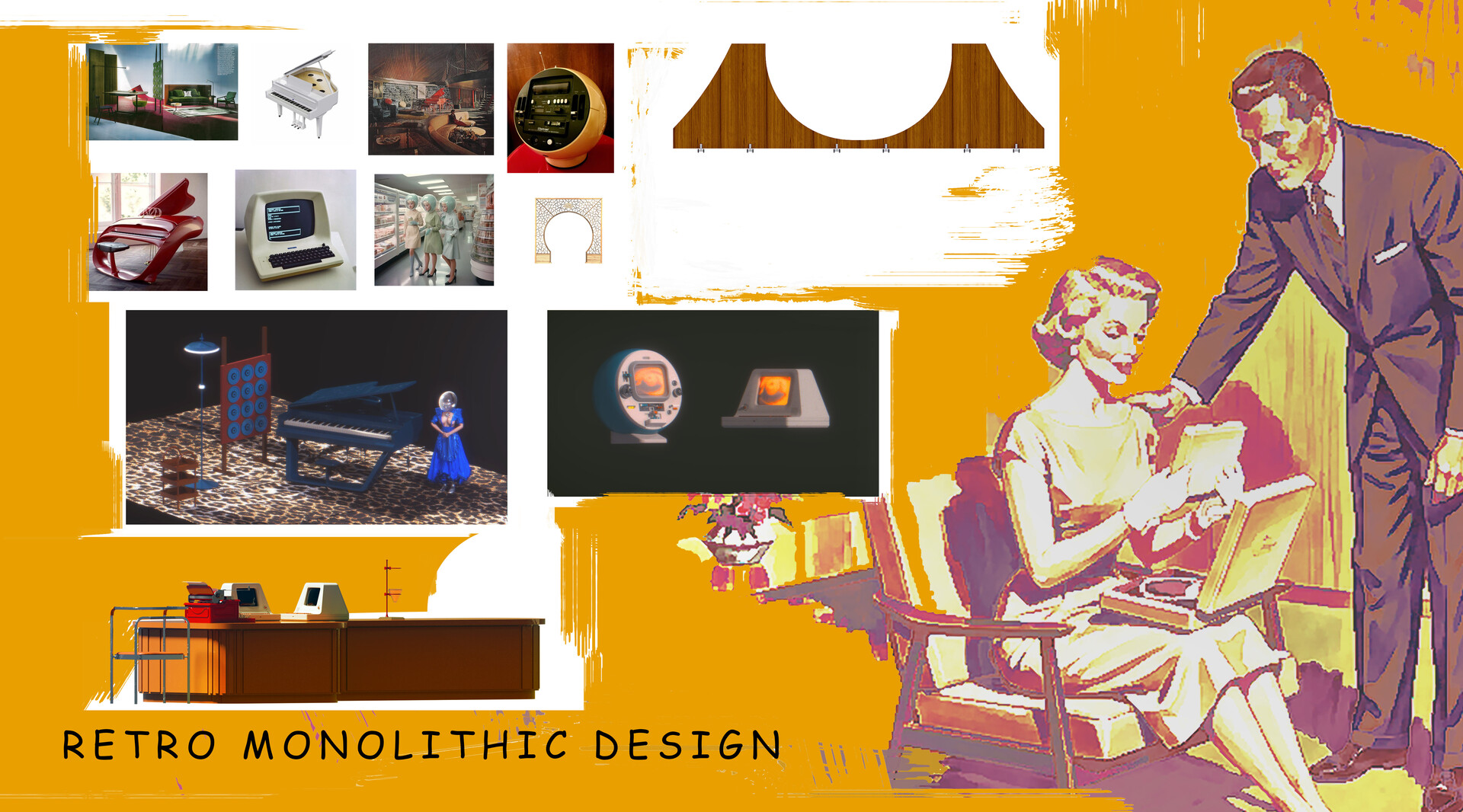
In addition to the blue feudal attire of the old nobility, I wanted to incorporate retro technology from the last century to express the future. Also, to facilitate the future expansion of this universe, I deliberately condensed the visual language into a replicable design formula: Old Nobility Royal Symbols × Retro Technology × Constructivism.
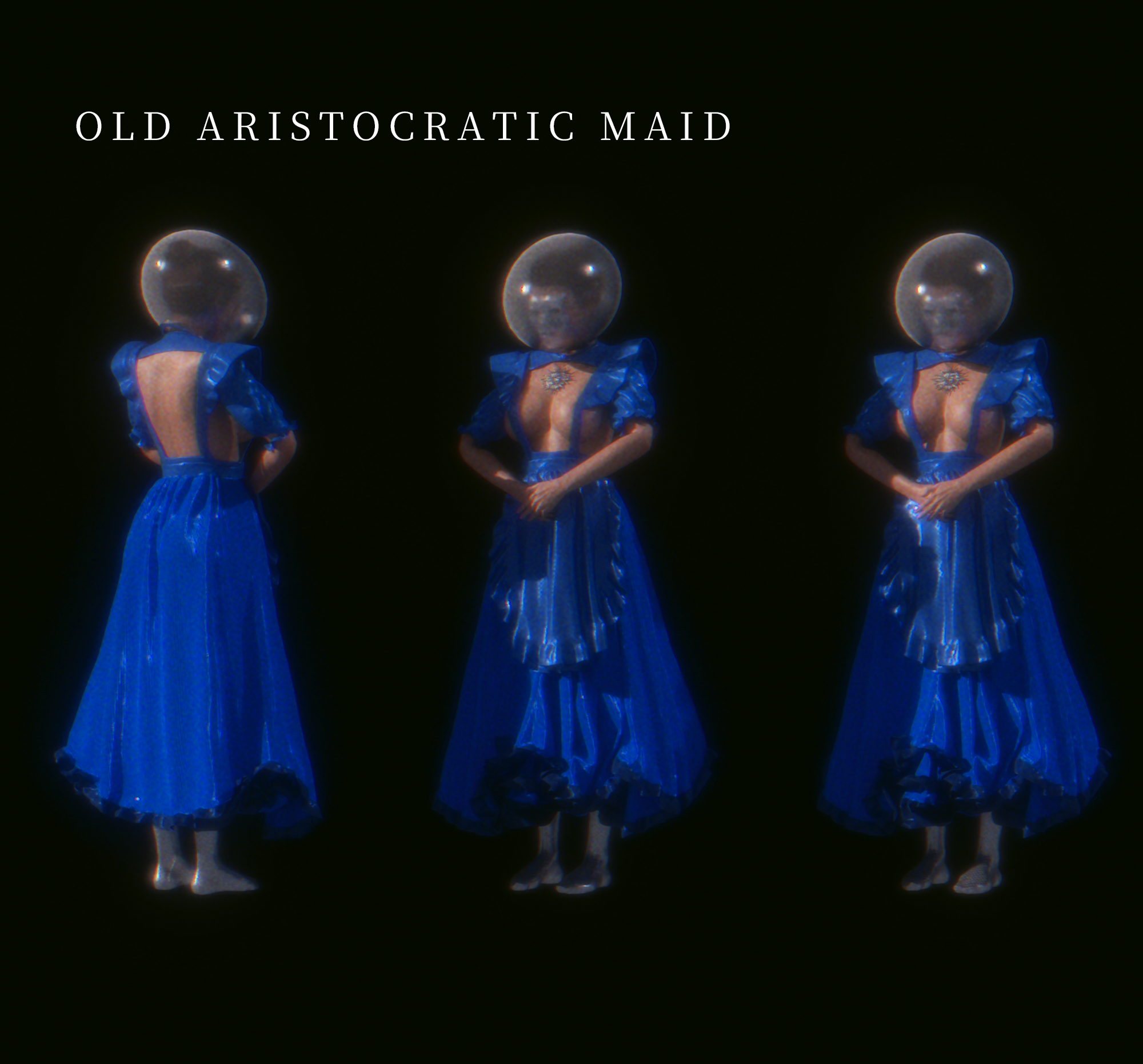
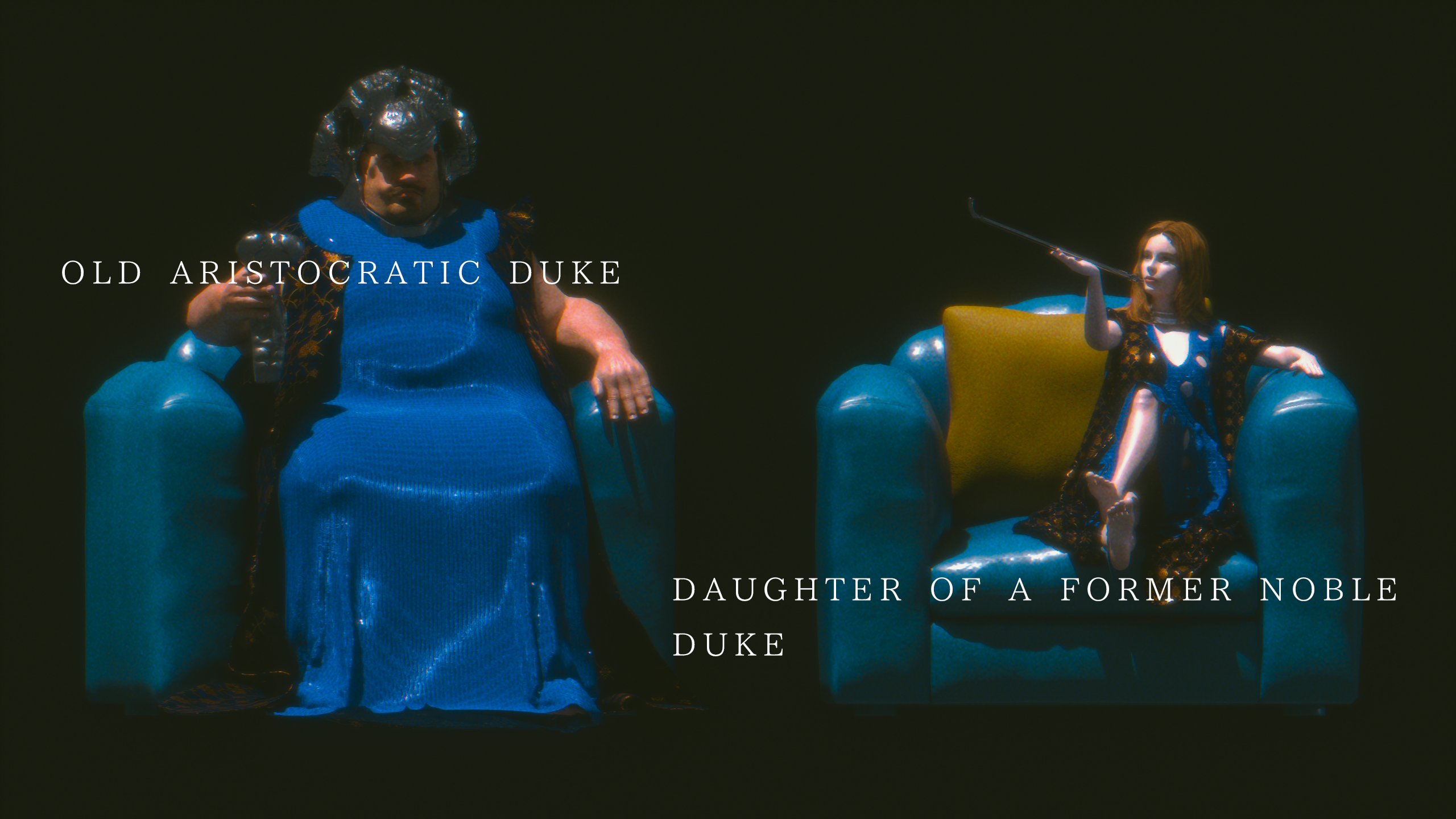
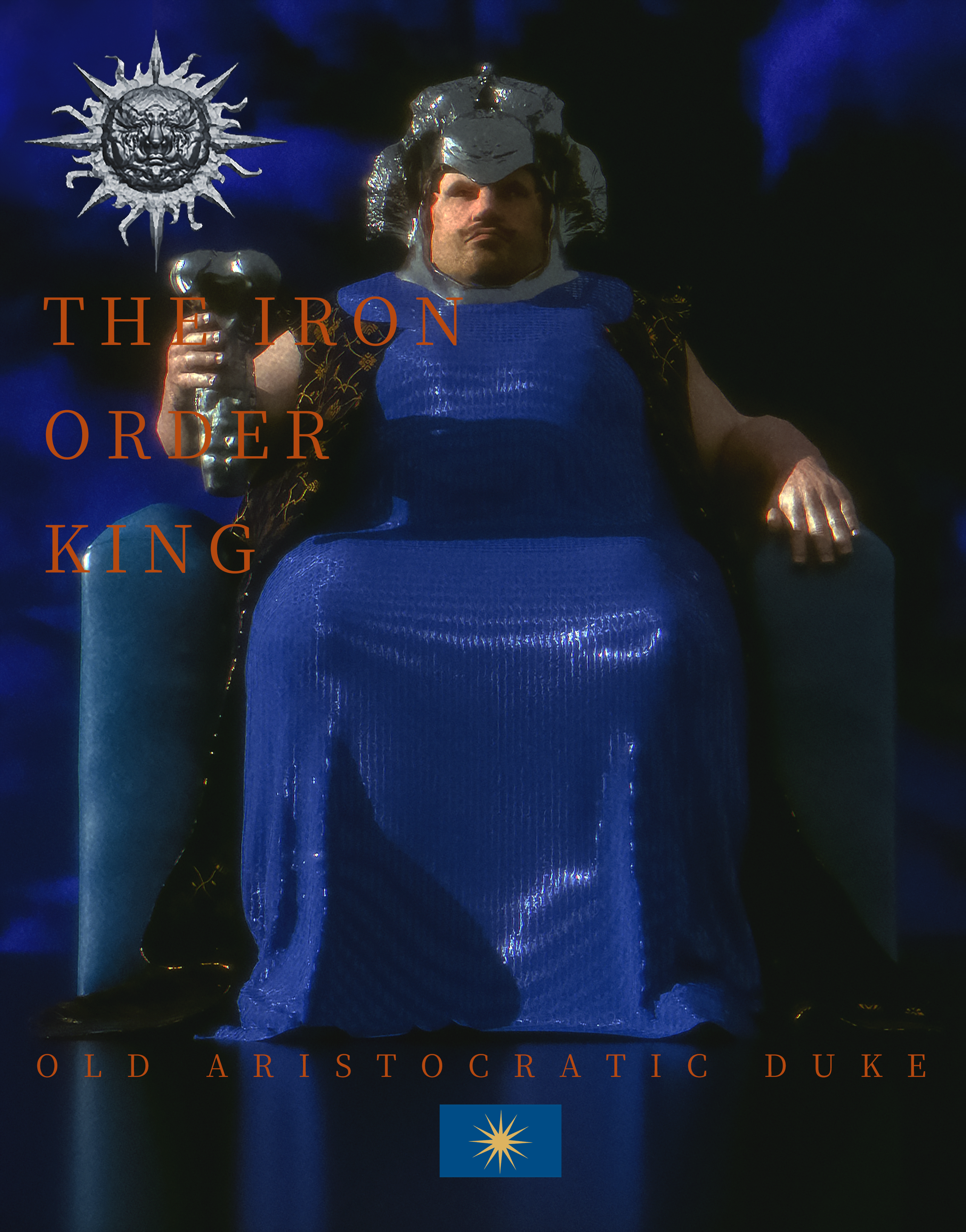
The costumes in this series convey a strong sense of identity, such as the old nobility, the duchess, and aristocratic descendants. What did you want to convey the most when designing their silhouettes, materials, and colors?
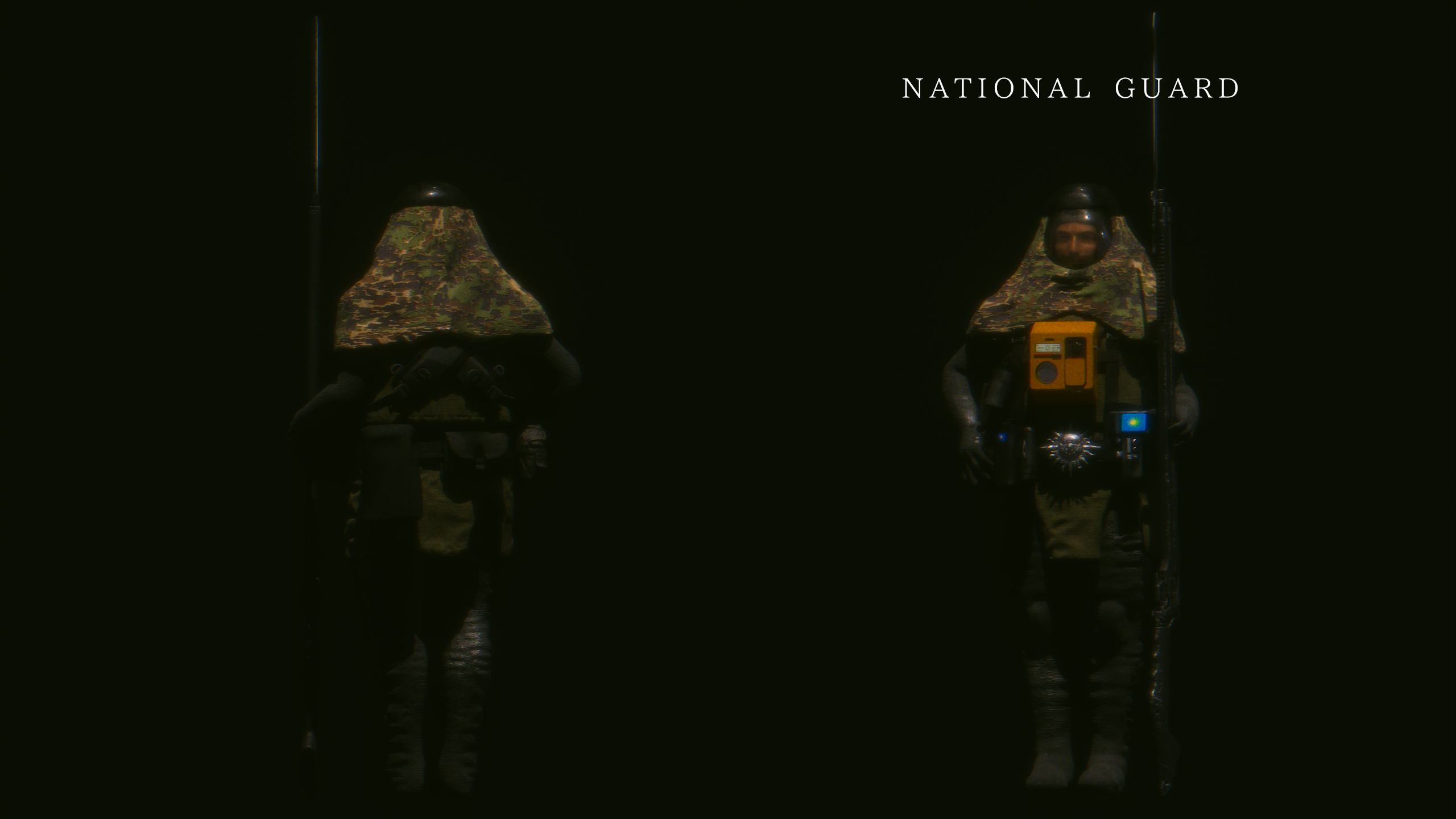
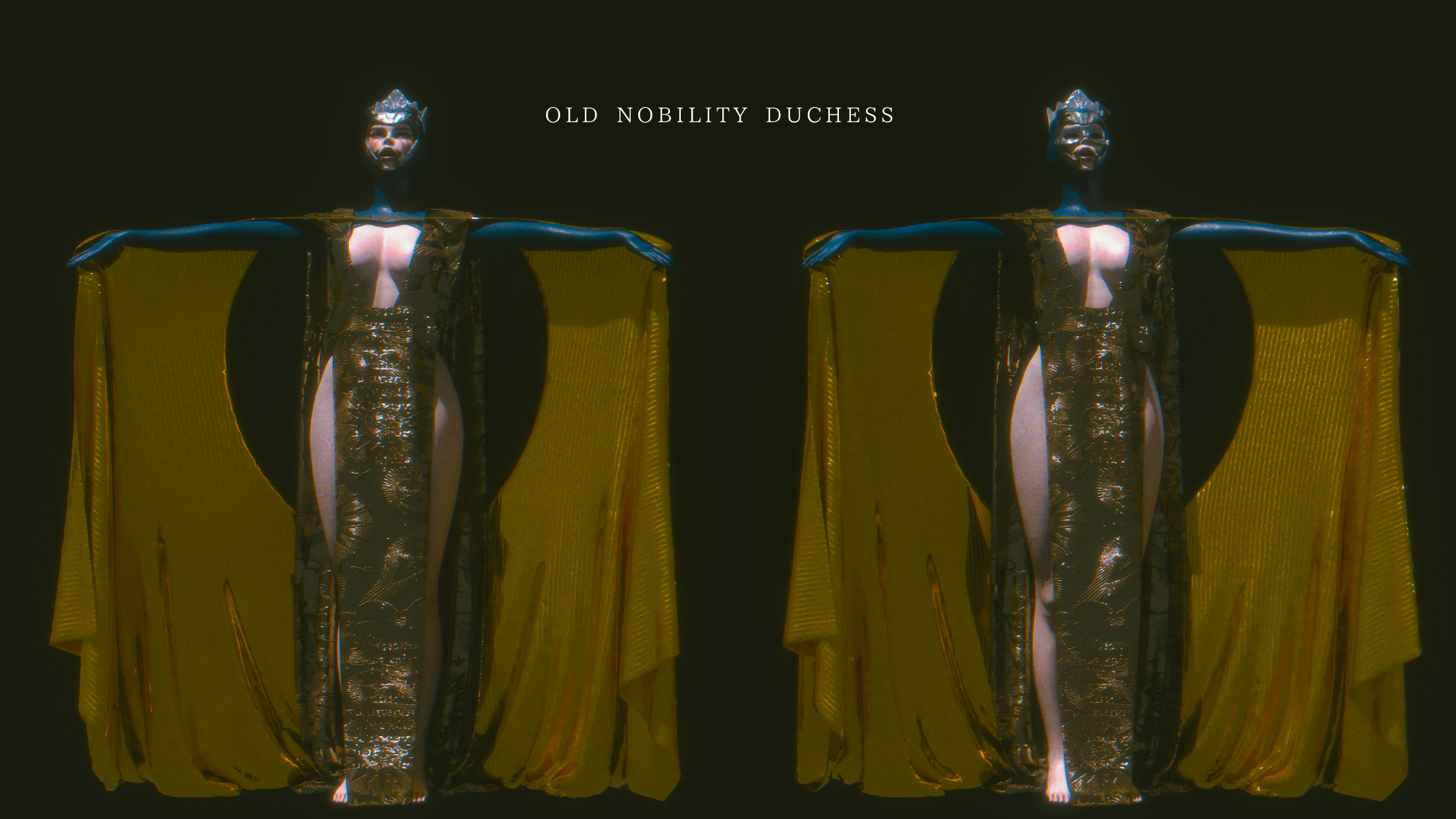
When designing the silhouettes, my initial thought was to express the character's costume design using minimalist outlines. Aside from the original intention of making the characters more recognizable, this also served the theme of the world: making the design of the old nobility not just "old," but seamlessly blending it with the "newness" of modern high fashion and runway art. This conveys the idea of a world stuck between the past and the future, satirizing the false prosperity of the capitalist economy within this universe.
For the materials of the old nobility, I chose the aristocratic texture of silk combined with delicate futuristic fabrics, accented with gold threads. Blue represents the exclusive color of royalty, yellow symbolizes sun worship, and silver highlights merge with aristocratic technology. In this futuristic setting, the old nobility no longer needs intricate crests to declare their identity; they only need to "reduce" themselves to colors and shapes. When the opulence of an entire era is compressed into a pure, flat surface, that simplicity itself becomes the heaviest oppression.
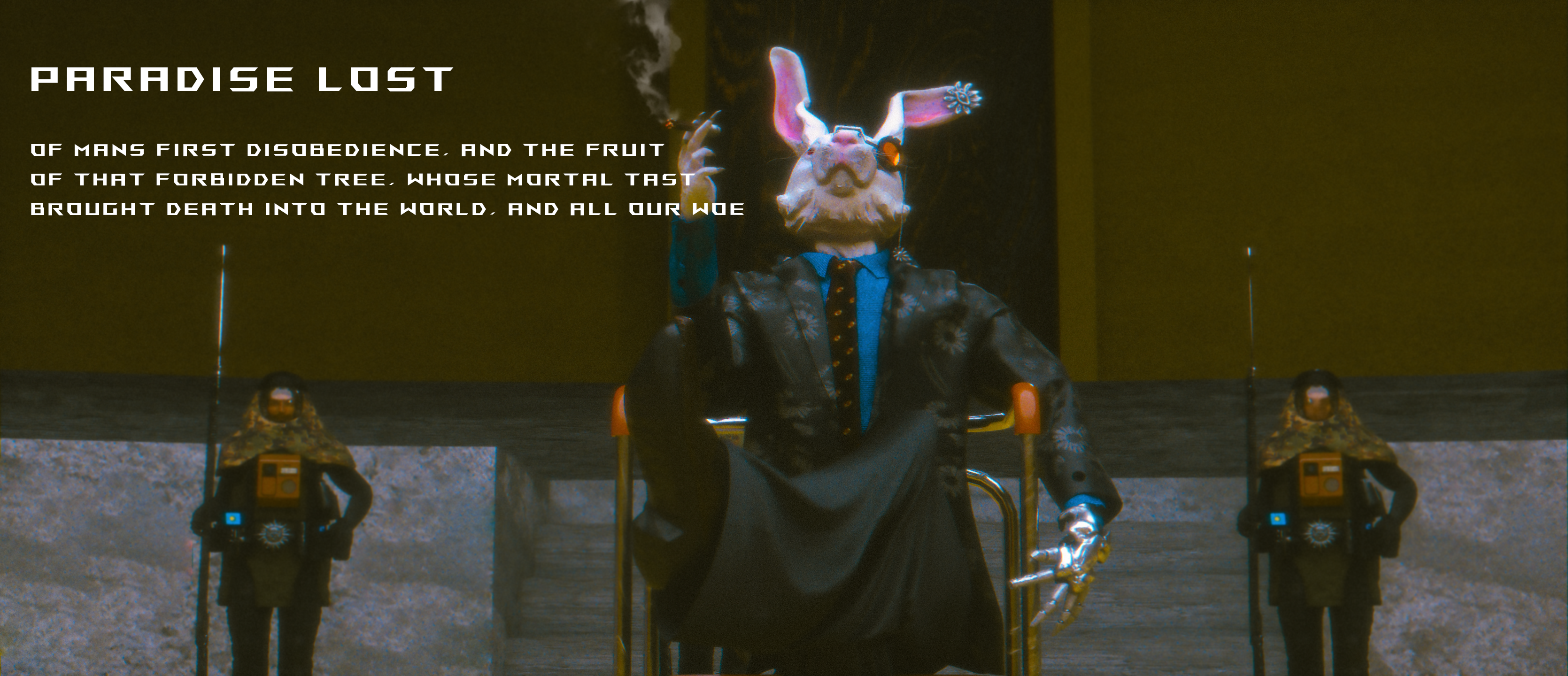
You used Marvelous Designer for this project. What parts of the production was it mainly involved in? How did it help your design regarding garments, drapes, or fabric structures?
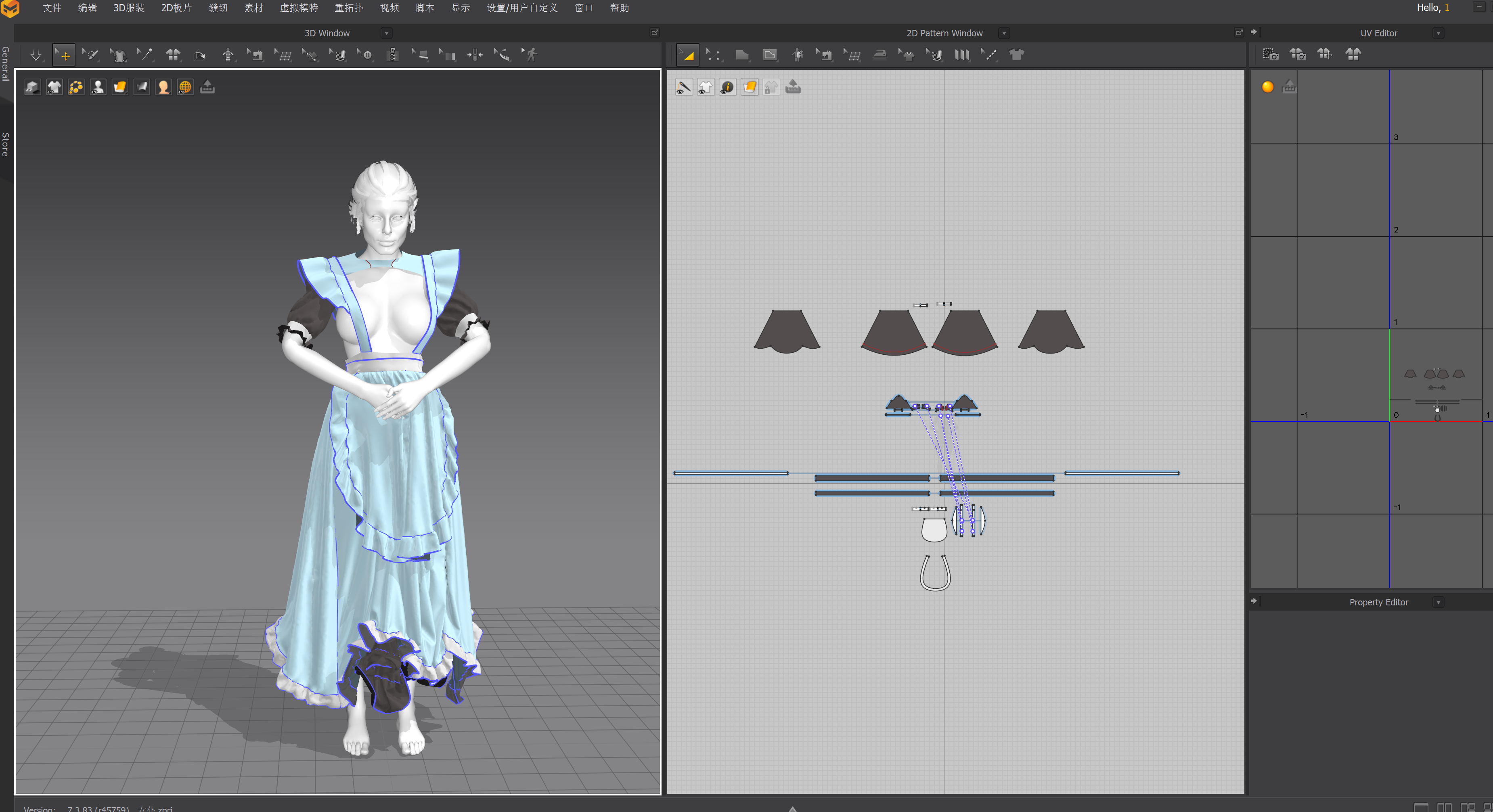
It was primarily used for the large-scale fabric simulations in my scenes and the characters' costume designs. Marvelous Designer allowed me to significantly increase my efficiency in the design phase.
Because the software is intuitive and easy to use, it saved me a lot of production time. I didn't have to spend a massive amount of time and effort figuring out the software itself, which gave me the freedom to focus entirely on my designs.
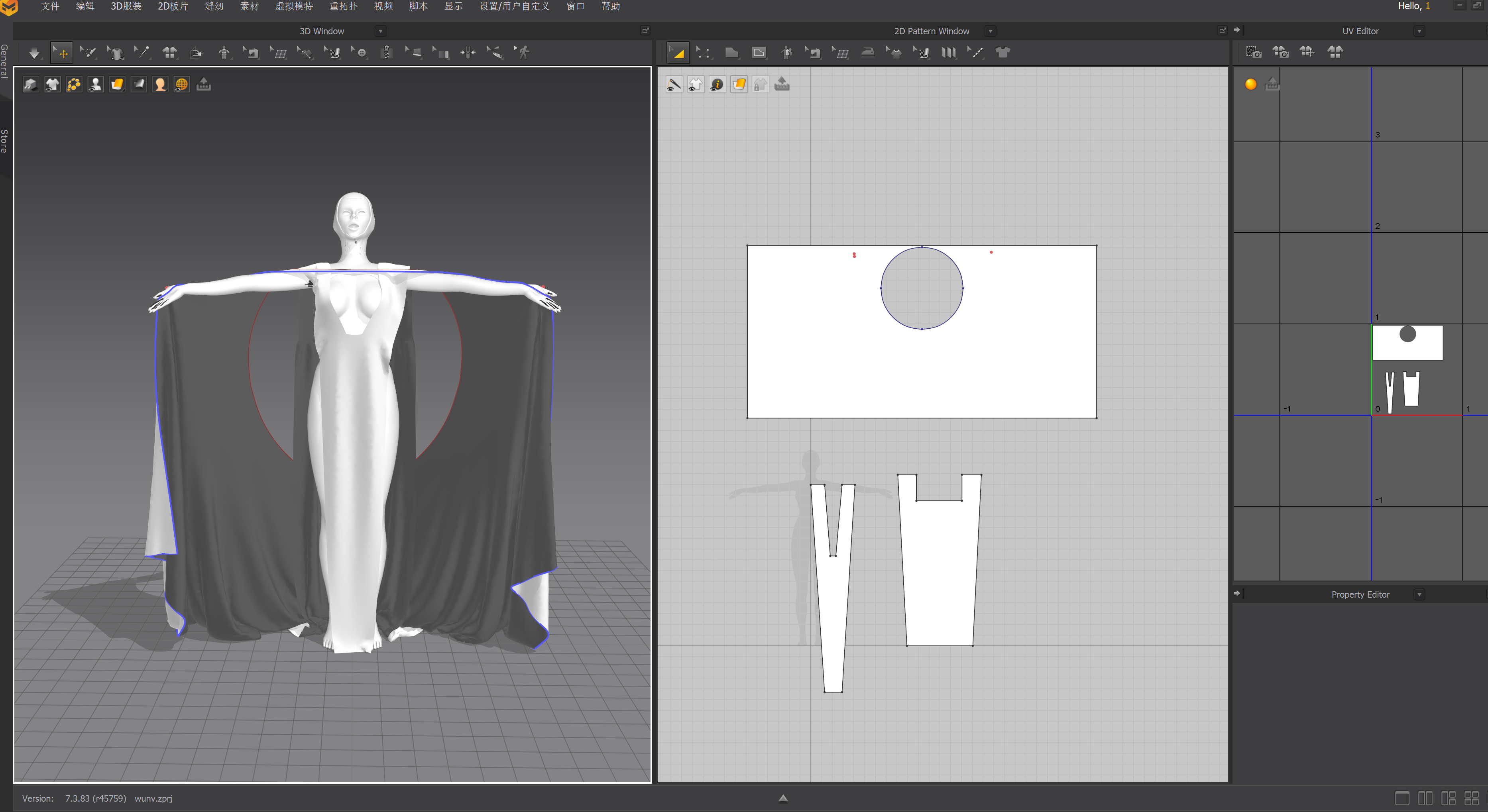
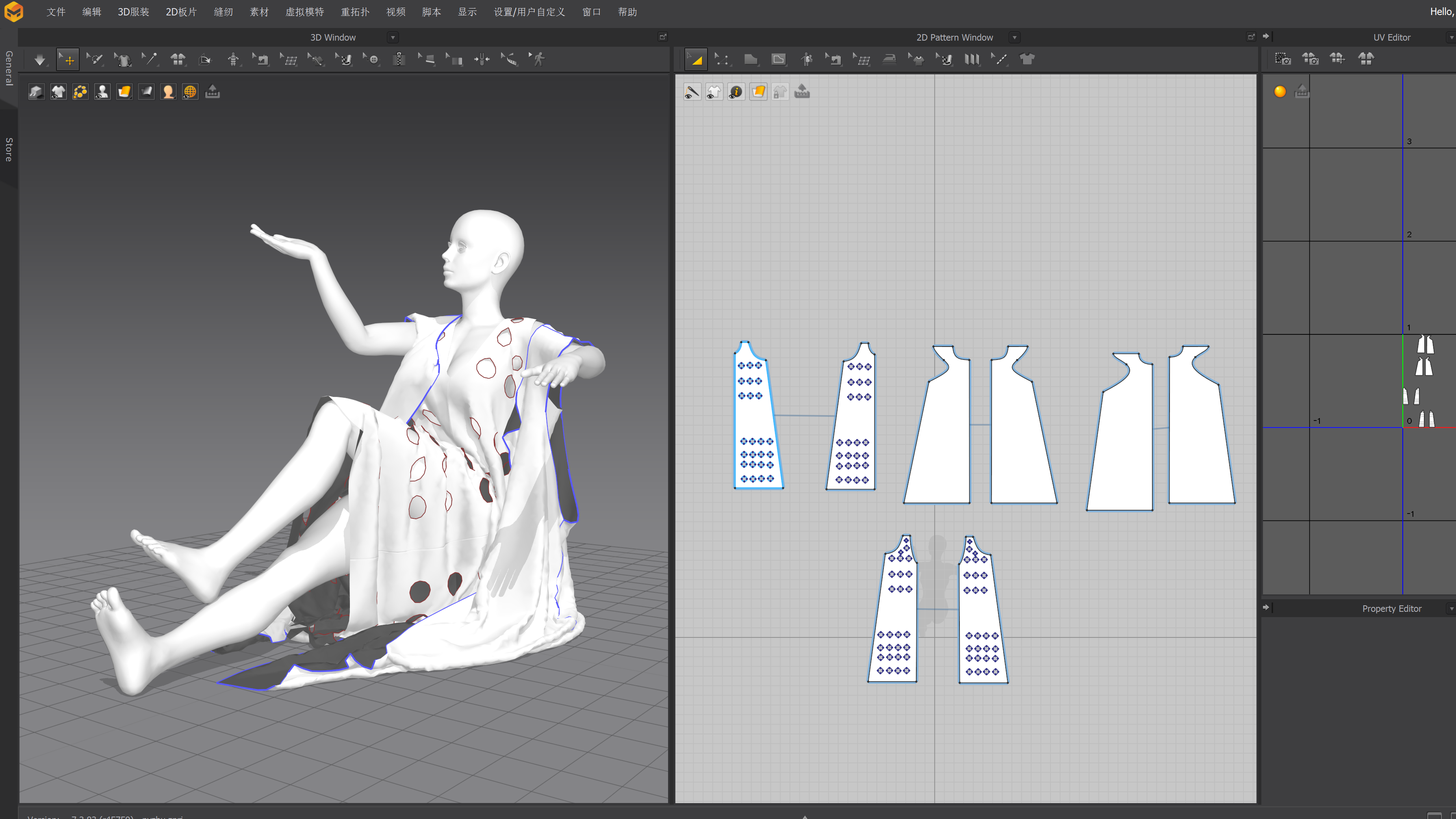
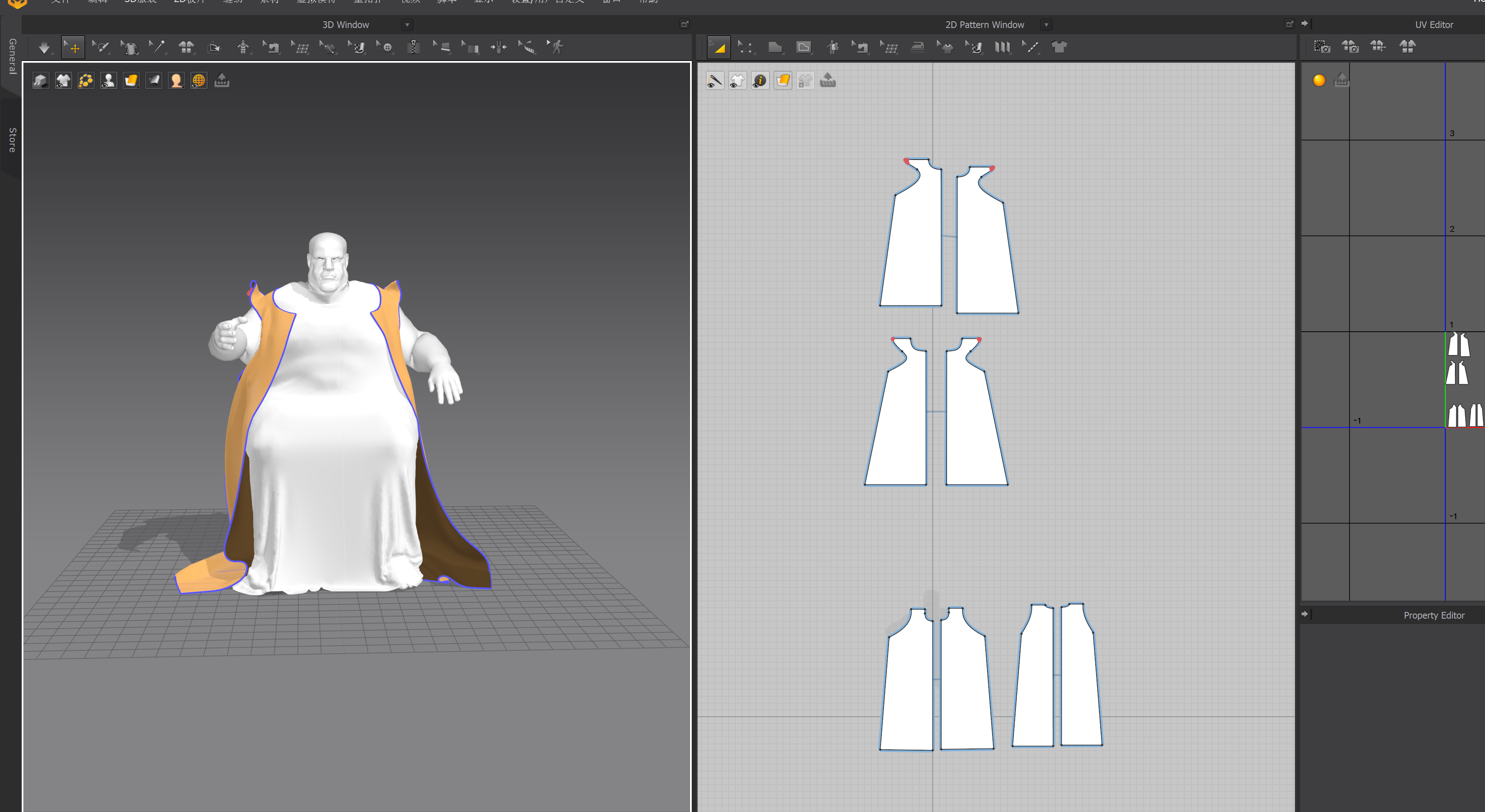
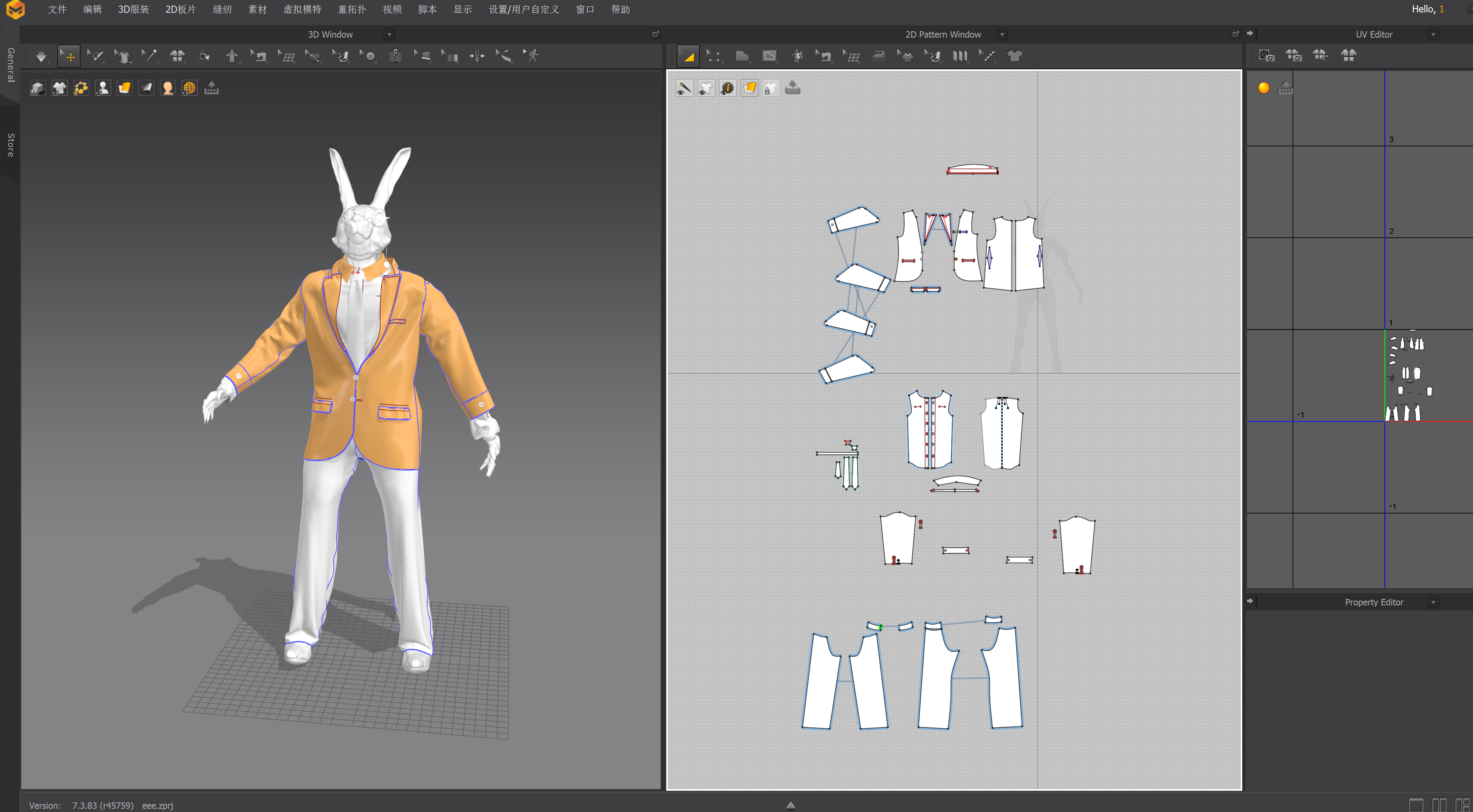
You utilized Blender, ZBrush, Plasticity, and Marvelous Designer simultaneously. Could you share your overall production workflow for this series, from concept to final render?
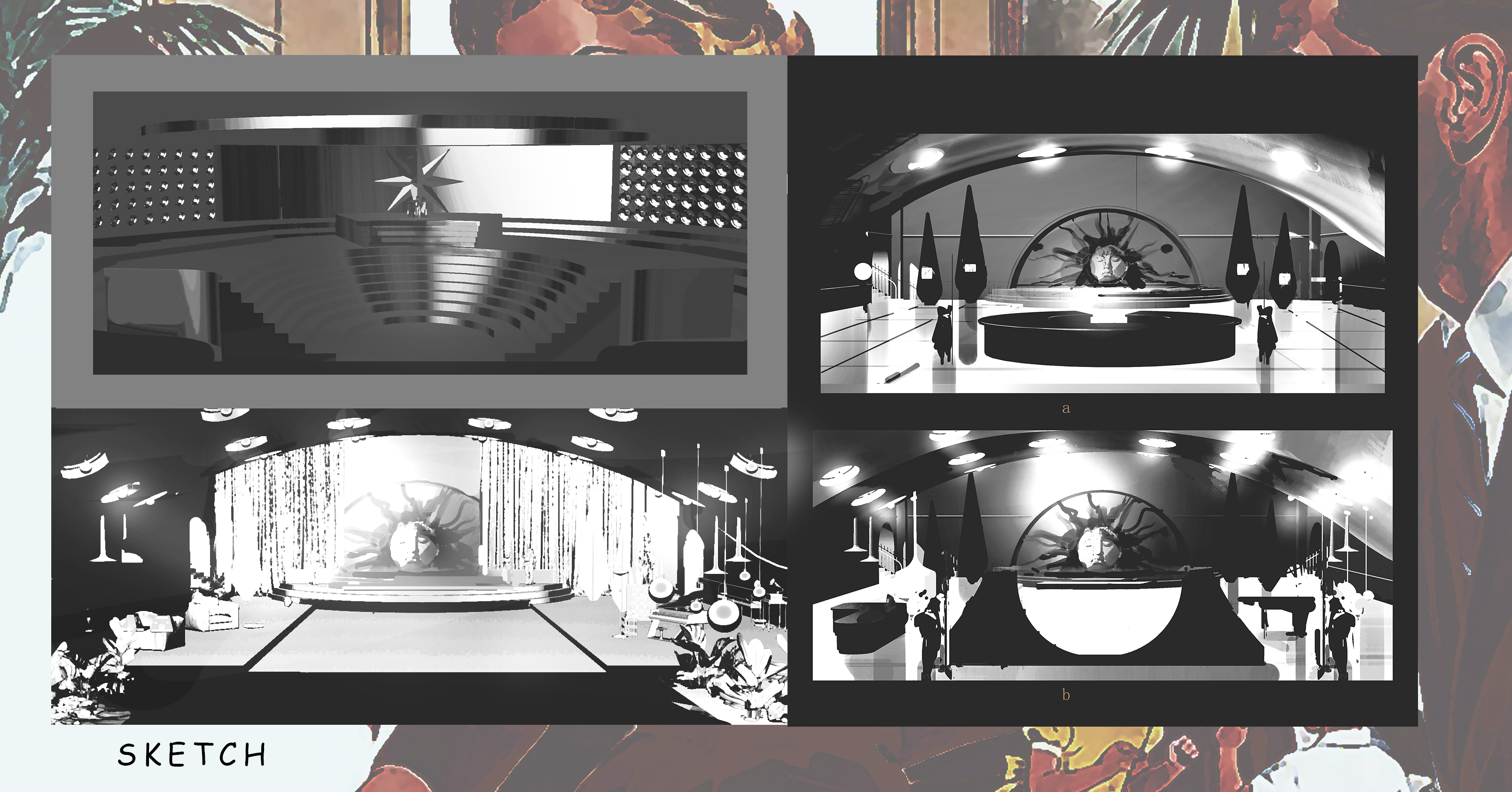
For my current workflow, after gathering references and materials, I sketch out some design drafts in Photoshop. Then, to implement and validate the design, I use Blender as my main platform for modeling and rendering. I model simple objects and character assets directly in Blender, while ZBrush handles complex creatures and character sculpting. Plasticity is mainly used for the hard-surface designs in my work, and Marvelous Designer takes care of the character costumes and fabrics.
Sometimes, I import garments made in MD into ZBrush for further sculpting. Once the external assets are ready, I usually import them back into Blender for integration, adjustments, material application, and final rendering. If I have enough time, I usually render my personal artworks straight out of 3D without much post-processing.
Looking back at the Paradise Lost project, what was the most challenging part?
For me, this project had two main challenges at the time:
Balancing work and rest. It’s very difficult to maintain a high intensity of creation during your downtime.
Combining elements like minimalism, geometric composition, and retro-futuristic technology to express my desired theme was quite tricky. If not done well, it could easily turn into a homogenized piece. Therefore, I had to spend a lot of time making choices and trade-offs.
What advice do you have for artists looking to integrate Marvelous Designer into their concept design or character costume design pipelines?
As for advice on integrating Marvelous Designer into concept design: I think MD is incredibly helpful in the design pipeline! However, you must carefully plan the proportion of time spent on design versus technical execution. You shouldn't treat yourself as a full-fledged 3D modeler and spend too much time studying professional pattern making. You must spend the majority of your time on the design itself—as long as it looks visually plausible and convincing to the audience, that’s enough.
For character-focused designers, you can push your understanding of costume design a bit further; for example, if a character isn't suited for a loose-fitting silhouette, the garment design needs to be more tailored to them. If the character is just serving as a simple asset for an environment, the garment design should be kept minimal and the polygon count optimized, allowing MD to boost the overall efficiency of completing the artwork.
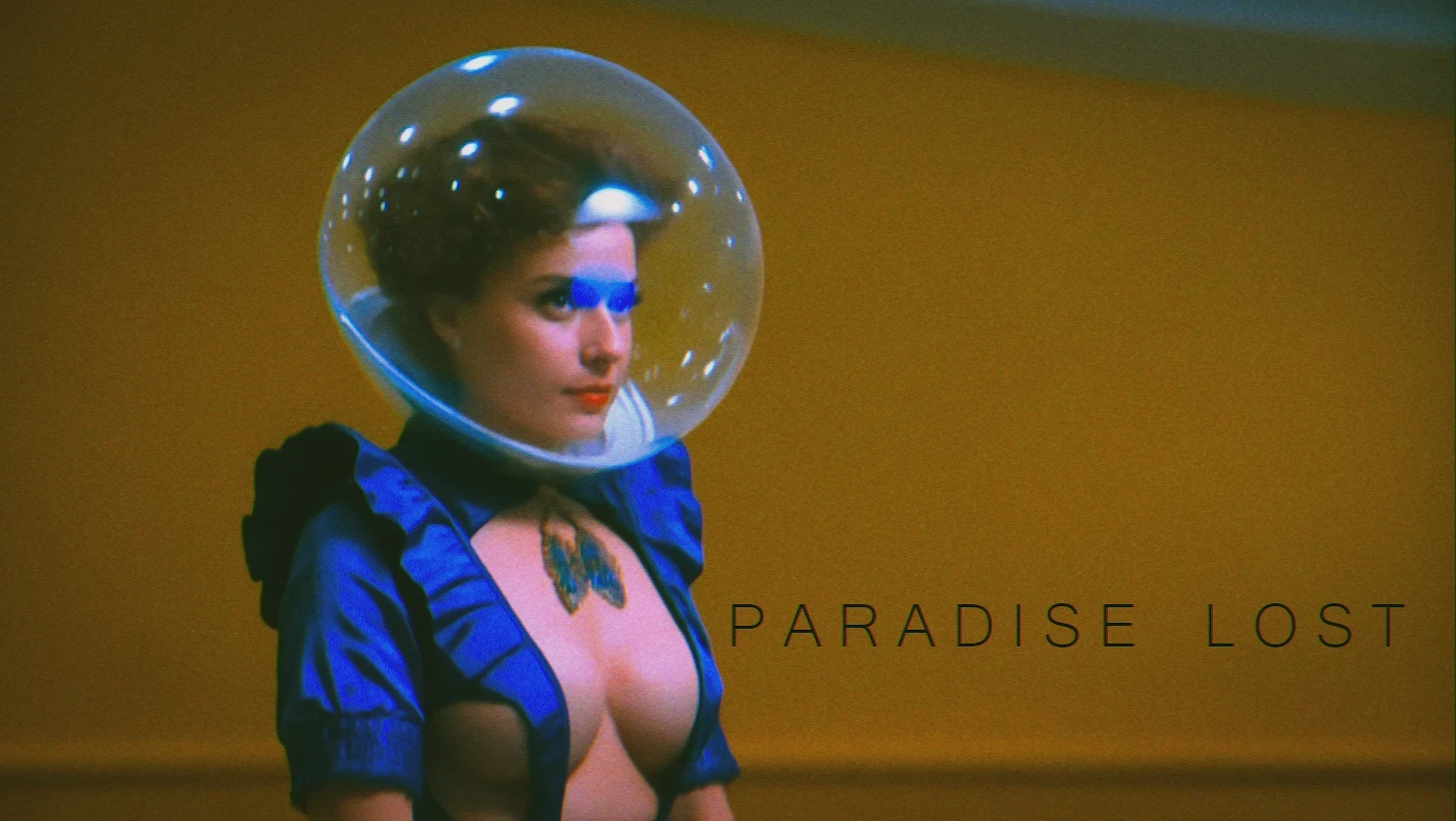
Paradise Lost is not a project that relies on visual opulence alone. Its coldness, order, oppression, and desire are all compressed into color, shape, material, and the silhouettes of garments.
Marvelous Designer, in this context, is more than just a tool for “making clothes.” For Eyelashes, it becomes part of the concept design pipeline: helping ideas take shape faster, making fabrics feel more convincing, and allowing the artist to spend more time on the decisions and trade-offs that truly matter.
이 작업은 ZBrush, Blender, Plasticity, Concept, Animation 등의 기술로 제작되었습니다.
Marvelous Designer로 이와 같은 3D 의상·캐릭터 작업을 직접 만들어볼 수 있습니다.